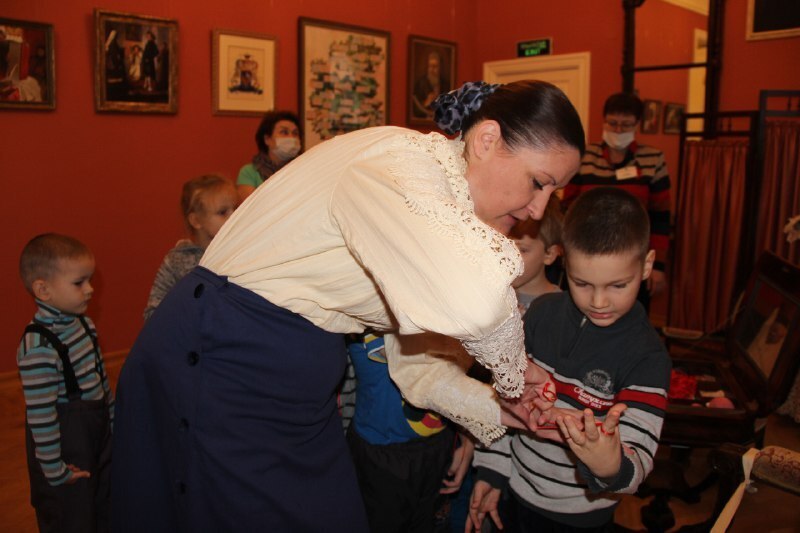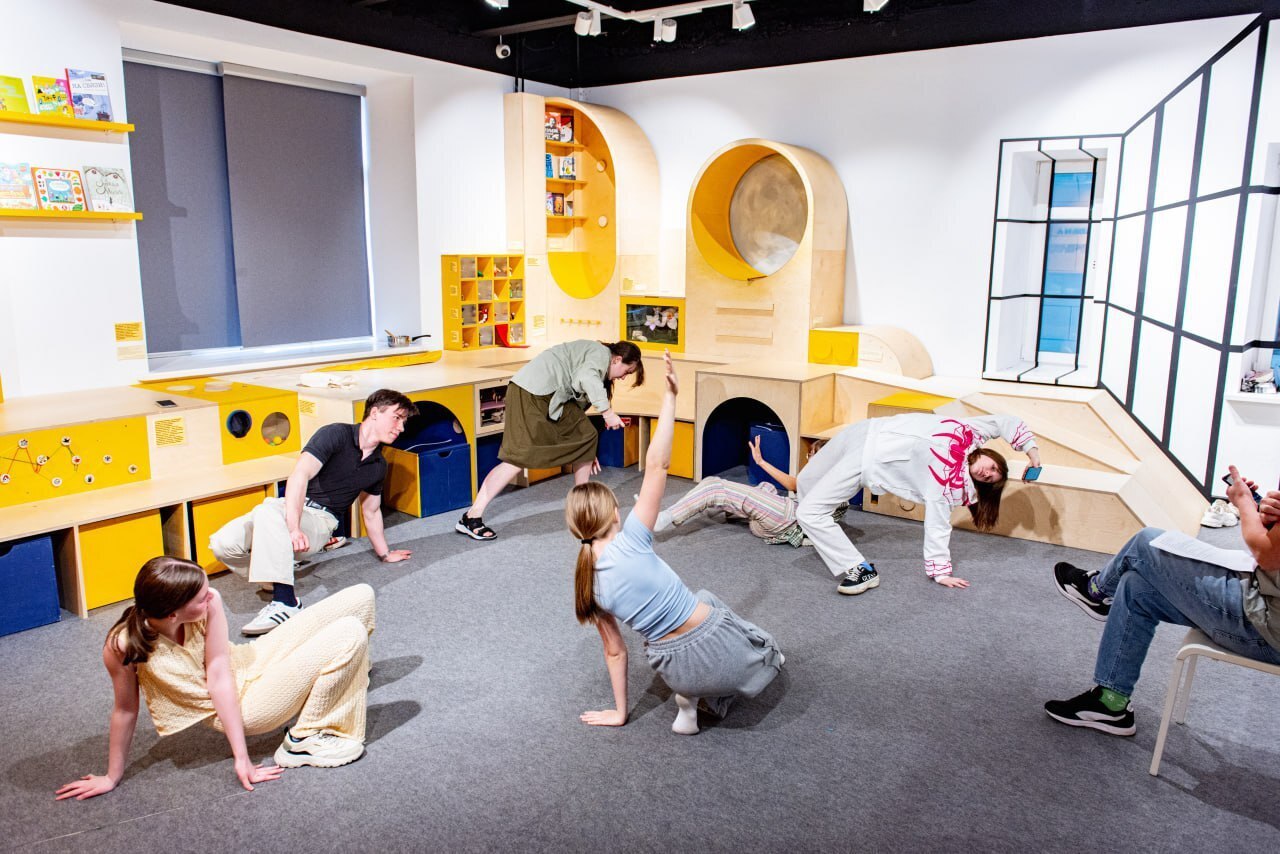
Let's find out how children's museum spaces are organized in different cities across our country and what programs and events take place there.
Context
My blog is dedicated to family visits to museums. I describe and analyze my own experience (my sons are currently 6.5 years and 3 years old) and periodically request information from my museum colleagues. Today's overview was prepared thanks to the help of museum staff who develop children's museum centers. I asked colleagues to answer a few questions and share photos of the spaces. At the end of the article I will share recommendations for parents.
Children's Center "Arka Marka"

The Children's Center has two sites, both hosting interactive children's exhibitions accessible to family visits. There are subscription-based classes, tours, quests, creative meetups, master classes, theatrical performances, and the possibility to celebrate birthdays. We hold festivals and New Year tree events. The spaces are intimate (groups average 10–15 people), so the museum primarily works with a family audience, and the current main focus is on subscription classes.
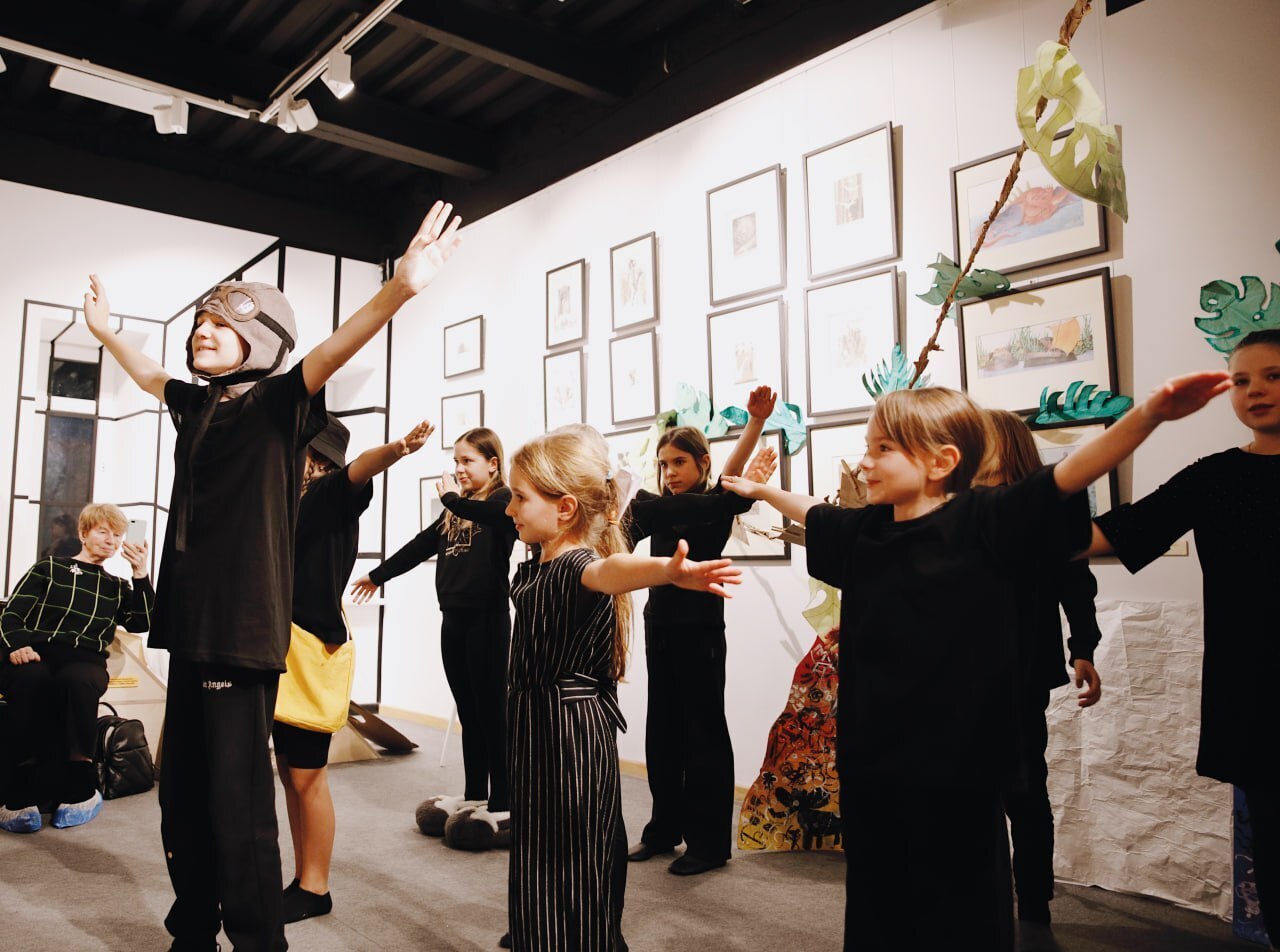
Our center has existed for almost 15 years; over that time we managed to grow from an intimate family studio for 90 children into a place where about 650 kids attend subscription classes every month. Some of the children who studied with us in 2011 have grown up and now come to us as volunteers. After COVID-19 (due to restrictions for people 18+), parental participation in our classes has indeed decreased (direct and mandatory adult participation is now only implied in subscriptions for children aged 3–5), but often those who brought older children come with younger ones, participate in festivals, and come with their friends and classmates.
The Workshop at "Children's Tsaritsyno"

"The Workshop" continues from the interactive exhibition "A Toy Grew in the Forest".
The educational space was created according to the project of architect and UTRO bureau co-founder Olga Rokal.
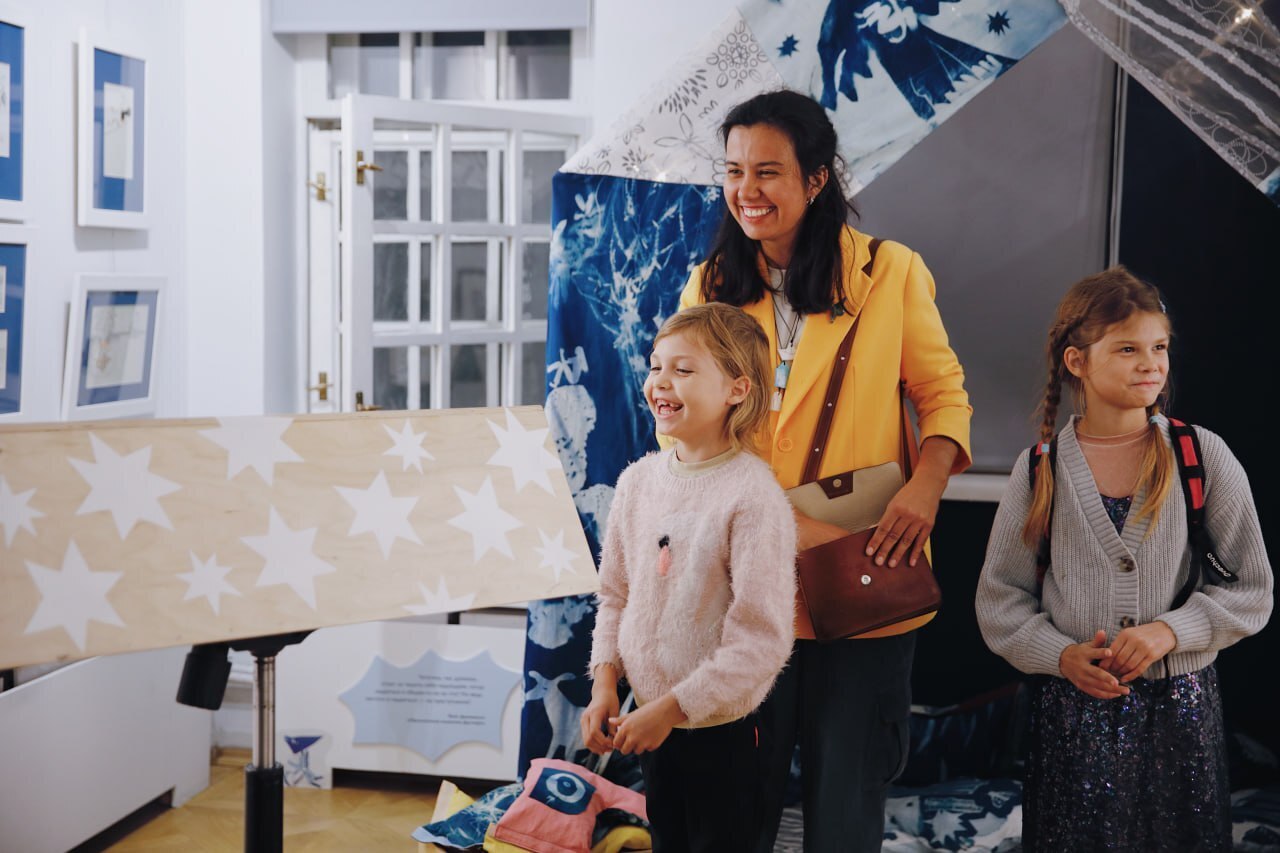
The Workshop is available to participants of museum-educational programs, both mixed and organized groups, as well as participants of long-term subscriptions. It is used as intended: for example, the main part of a class is held in the exhibitions, and we move to the workshop for handicrafts. Sometimes the handicrafts are accompanied by communal singing; for example, during the program "Folk Holiday. Svyatki" 3+ we make a Bethlehem star and sing carols together with children and parents.
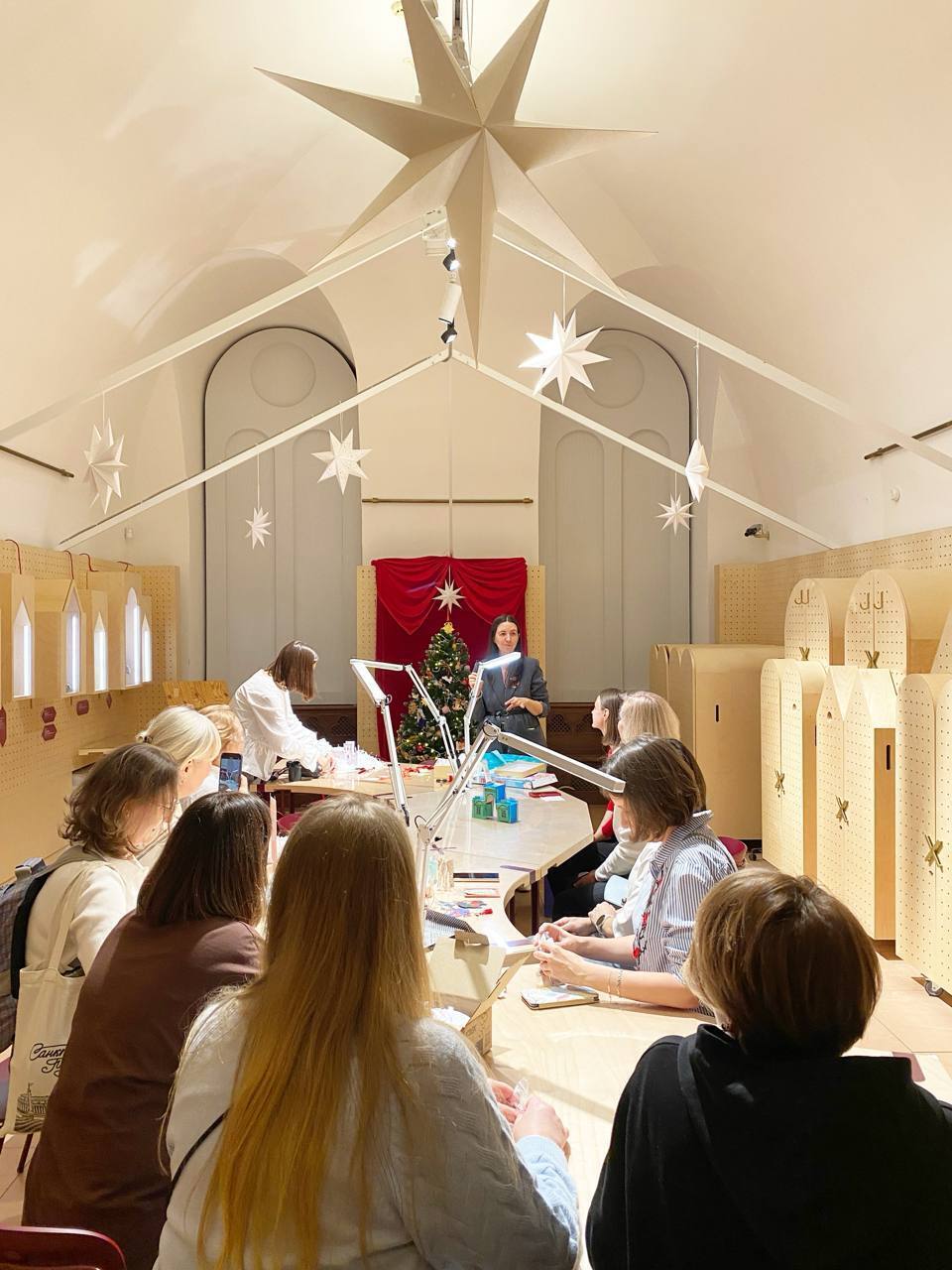
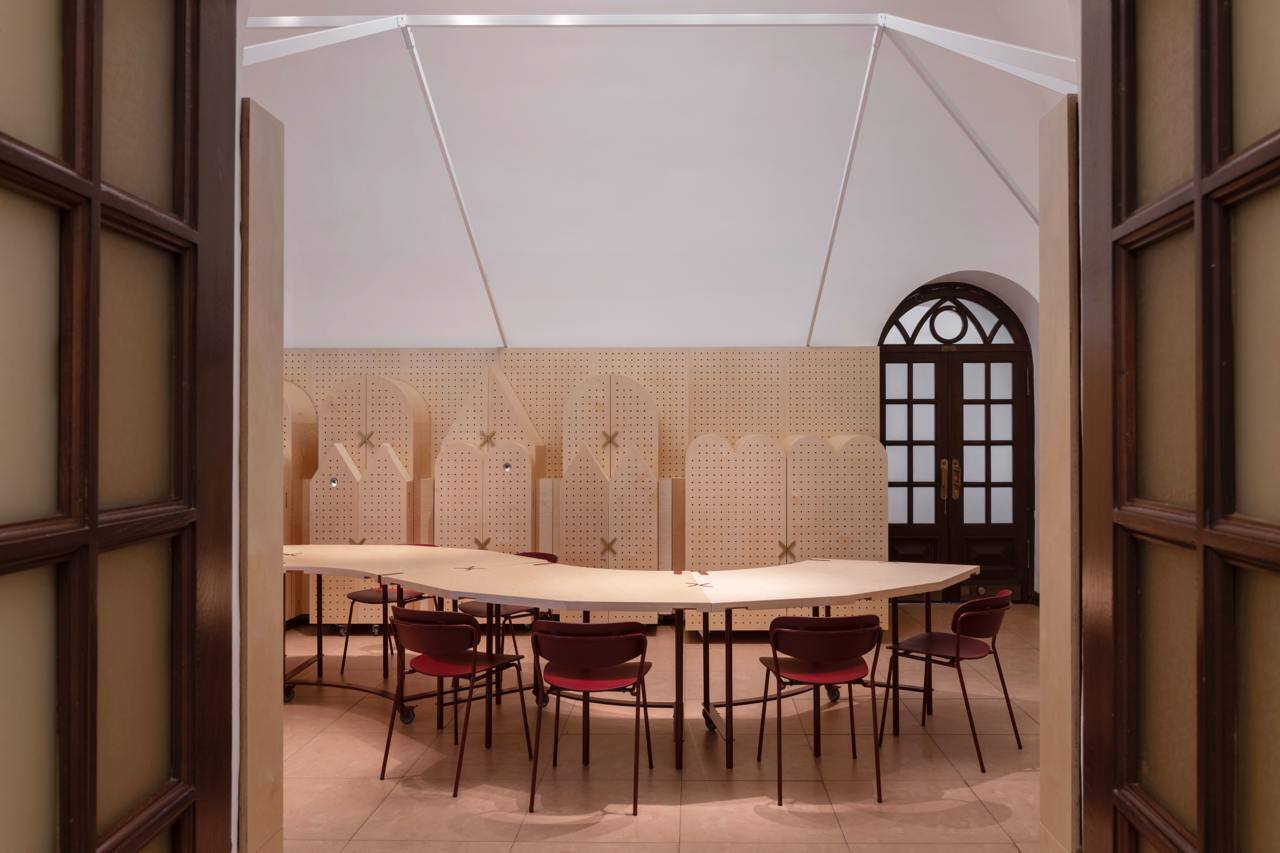
I really like that this space is made of natural materials and that loud "children's" colors are not used. This enriches the aesthetic experience; in such a color palette our pedagogical props, books, and materials stand out and look more substantial.
The workshop's design "plays" through shapes and textures. I like that the storage cabinets refer guests to the architecture of the Tsaritsyno ensemble, echoing the windows and arches of the Bread House.
Children's museum and educational center "Eureka" in Yelabuga

The Children's museum and educational center "Eureka" is the youngest of the now 18 sites of the Yelabuga State Museum-Reserve. The center opened in the summer of 2025. It is a museum-entertainment and educational environment aimed at joint visits by children, teachers, and caregivers.
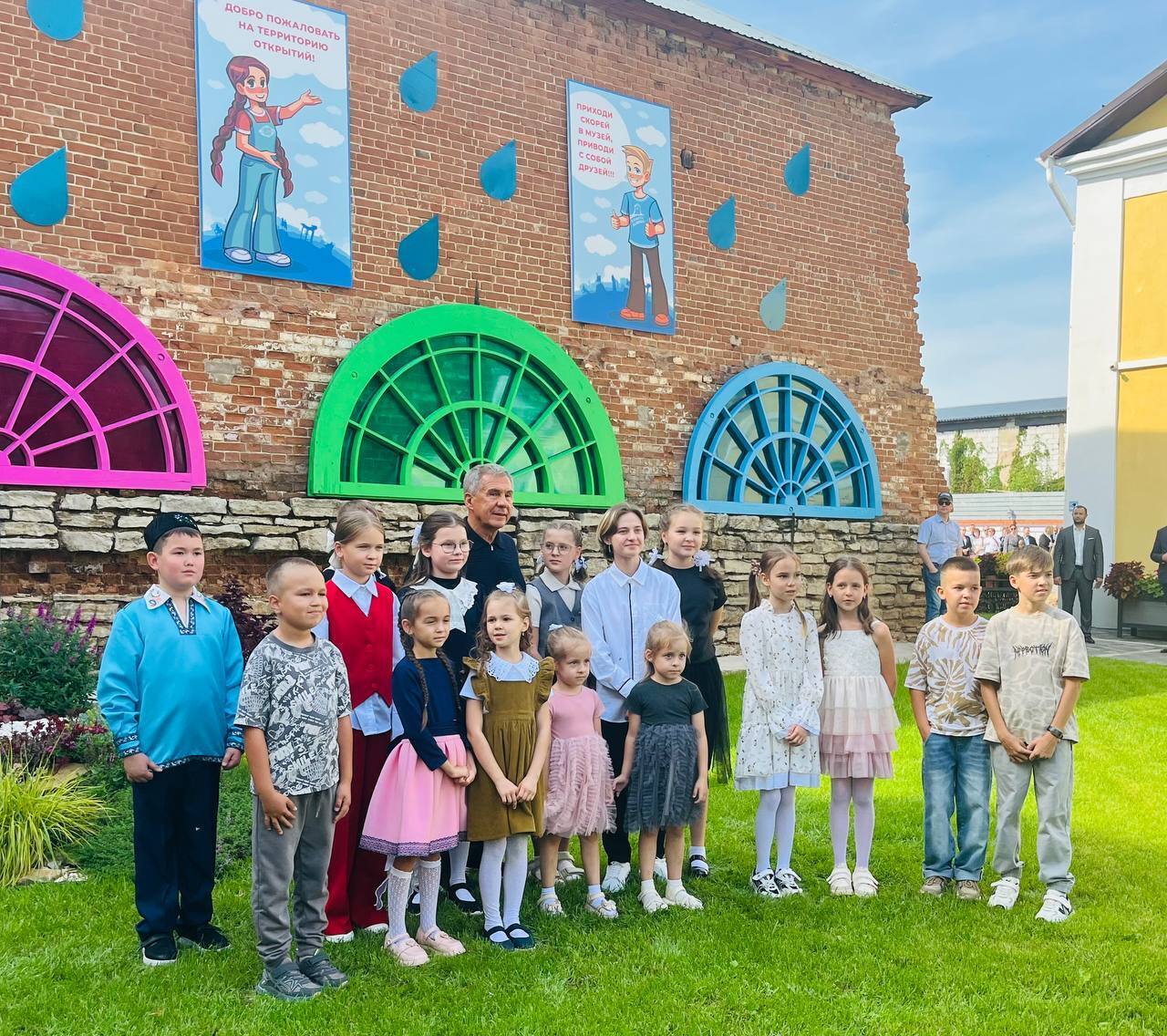
The children's center can be visited as part of an organized group or independently; there are no age restrictions. The center hosts creative workshops and classes in programming and robotics.
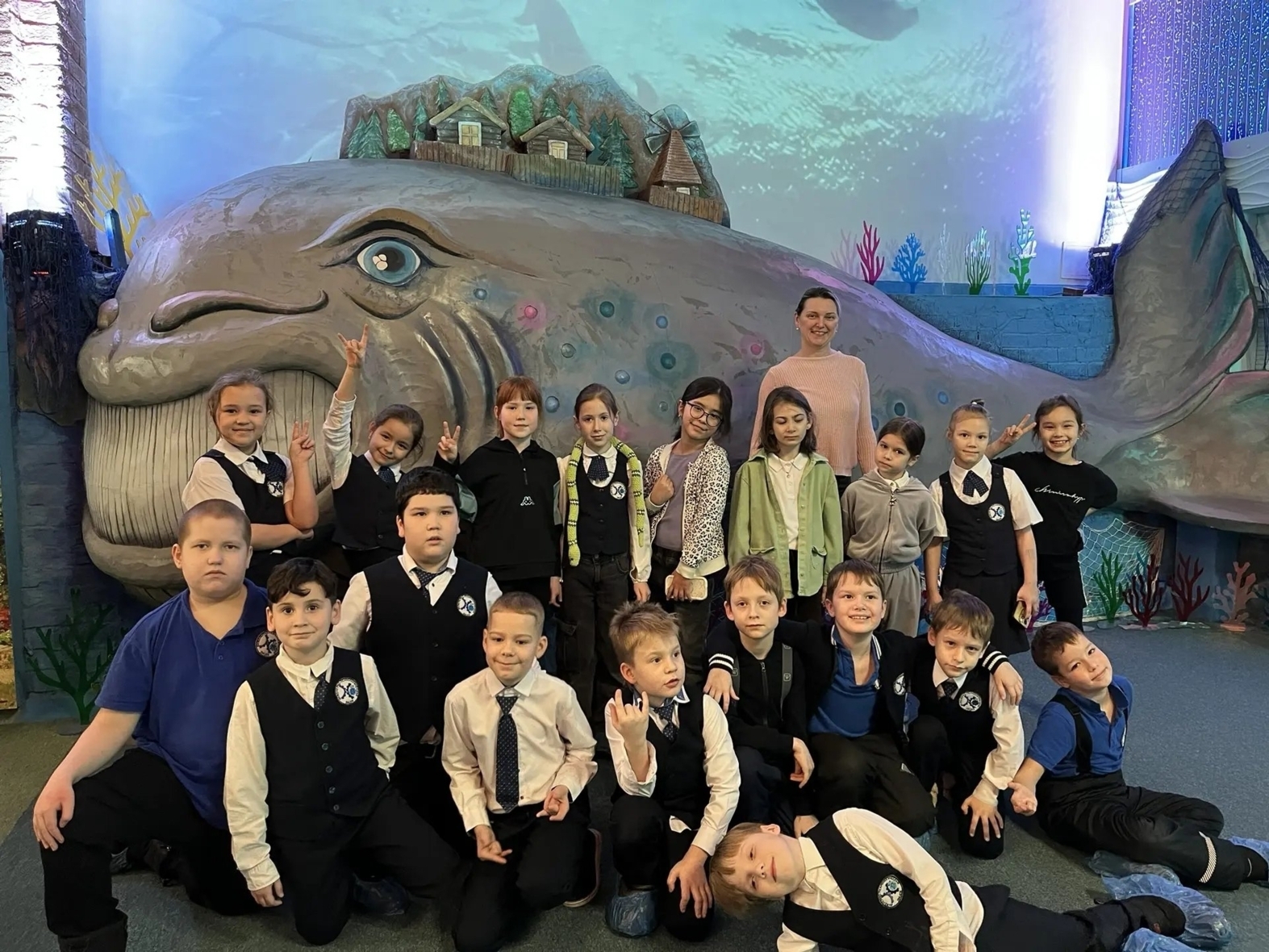
Children's spaces of the Arsenal

The Children's Studio is a space specially equipped in 2015, consisting of two enfilade halls and a restroom. During the school year the studio hosts classes of the educational program "Arsenal + Family", dedicated to introducing the basics of artistic language and exploring current exhibitions. In classes for the youngest children (3–5 years) children attend together with their parents as a rule; older children can study independently, but we welcome parental presence. Each class of the program usually includes a discussion segment and the creation of one's own creative work, thematically or aesthetically responding to the lesson's topic.
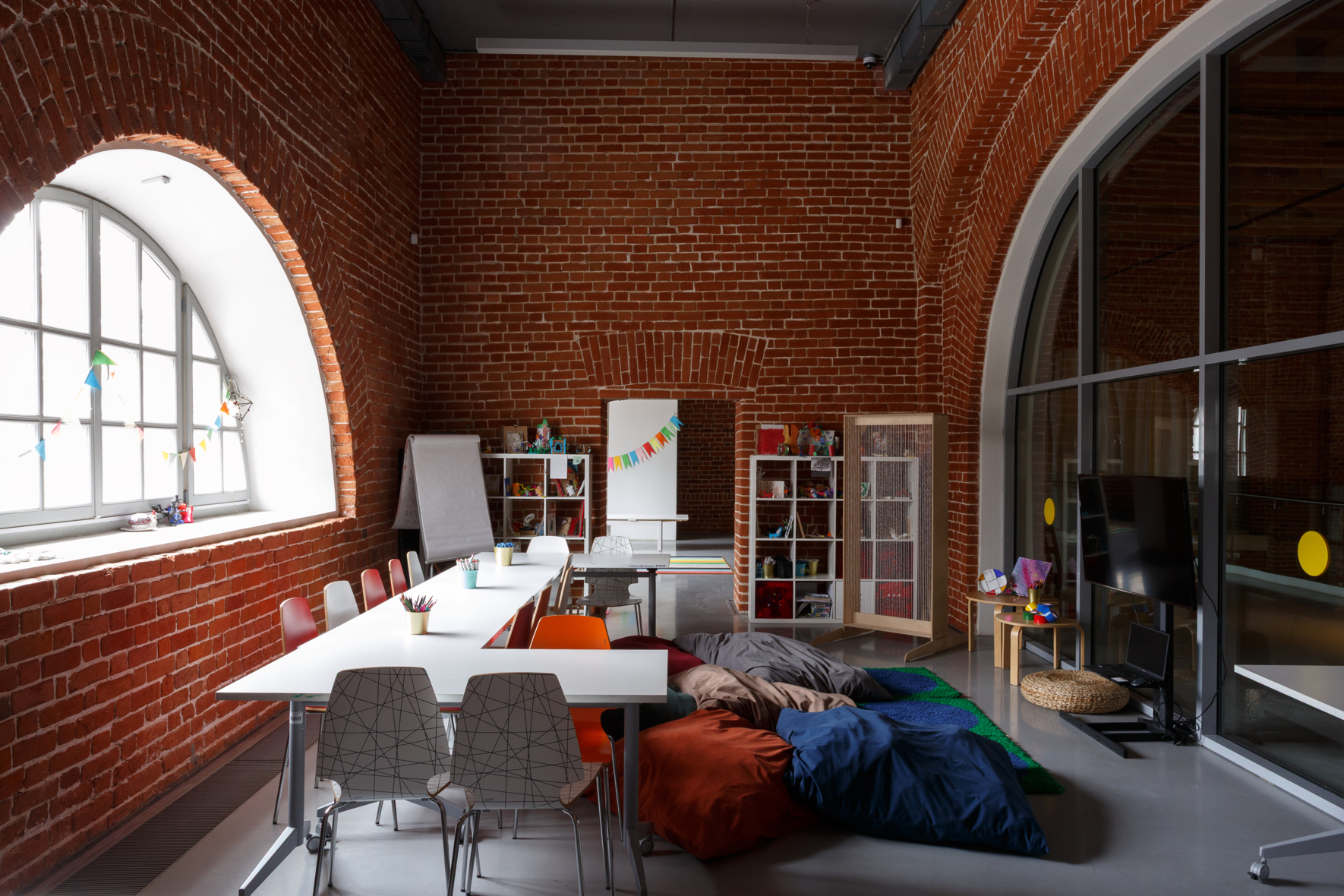
Photo: Aleksey Shevtsov
The Book Hall is a new modern platform for supplementary education and cultural leisure for the growing generation of Nizhny Novgorod residents and their families. It was created in the Arsenal in 2025 as part of the projects: federal — "Family Values and Cultural Infrastructure" and national — "Family", with the support of the Ministry of Culture of the Russian Federation. The space is located on the 1st floor in the left wing of the Arsenal building and was developed by the Nizhny Novgorod architectural bureau [MISH] studio (Misha Maslov, Anna Streletskaya, Bogdan Streletsky, Elena Evstratova, Ekaterina Talat, Viktoriya Shupilova) as a comfortable environment for independent book study, socializing, and creativity. The regular events program for children and teenagers — lectures, reading club meetings, creative sessions — is devoted to acquaintance with art history and world cultural heritage through books.
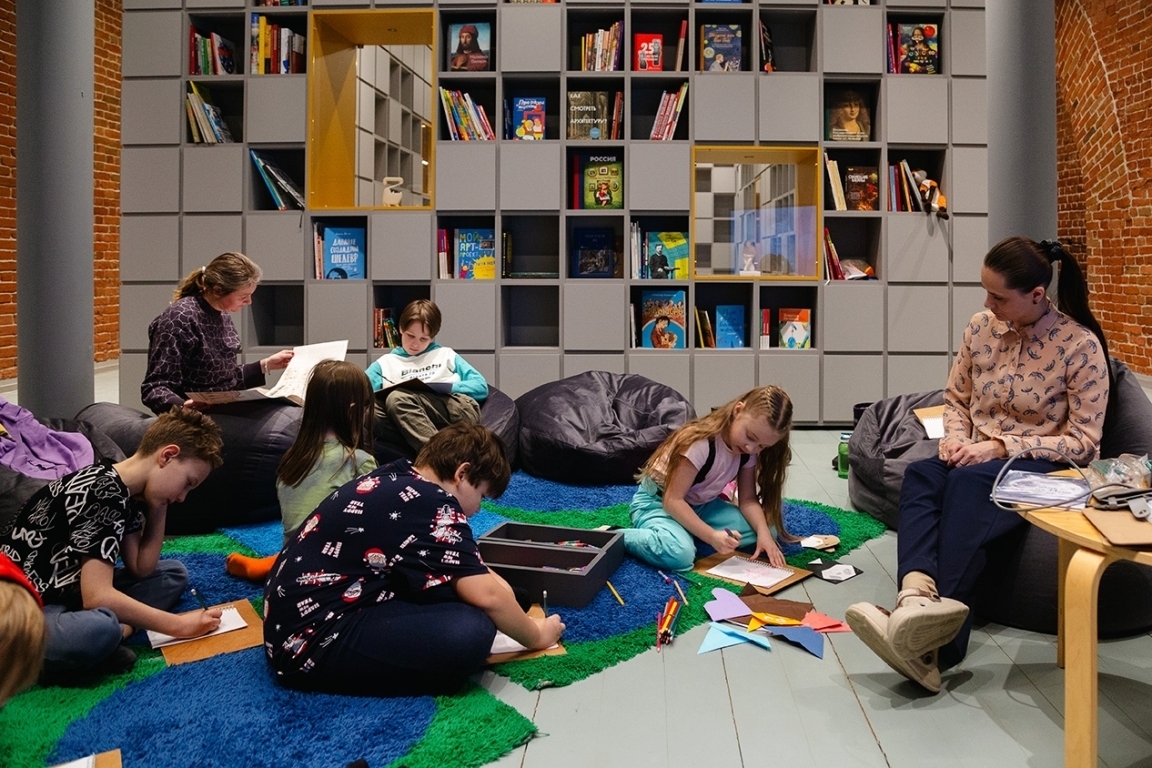
Photo: Aleksey Shevtsov
Head of the Cultural and Educational Department Elena Blinova
For the museum it is extremely important to have a separate children's space equipped with everything necessary: a screen, tables and chairs, cozy rugs, and storage cabinets for materials. Over the years of the Children's Studio's work our visitors have become accustomed to the fact that a variety of events take place here, including family-oriented ones aimed at a deeper understanding of art and the meanings the museum offers in its exhibition halls. The appearance of the new "Book Hall" at the end of 2025 allows us to expand both the range of formats and topics of classes aimed at this target audience, and to increase the number of events and visitors. The area of the Book Hall allows us to hold a lecture or class for up to 40 people, which is already a school class that we can accept not only for an exhibition tour. The proximity to books about art and culture for readers of different ages opens additional horizons for broadening young visitors' outlooks. In the first days of operation the new space in the museum has already established itself as a comfortable place for children and teenagers. Part of the "Book Hall" will function as a coworking and relaxation zone, allowing teenagers to gather here not only during classes but also in their free time. Thus, the museum becomes an important "third place" for city residents, where an atmosphere of creativity and learning reigns. Many children go through a major educational path at the Arsenal, starting at age three, and become participants in the Youth Club. It is especially pleasant to talk with the parents of our participants who have long since grown up and to learn that the kids have already chosen a direction in life, and that direction is creative professions, for example, photographers, designers, and cultural scholars.
Children's museum center "Dacha Moshchevitin"

The children's center was opened to visitors in 2019 in the building of merchant Prokopy Moshchevitin's dacha, built in 1870. Here a "residence" of the city's fairy hostess — the Golden Sarapul — has been organized, where you can see the Parlor, Workshops, and the Terem. For children, teenagers, and family audiences cultural-educational museum programs and classes are offered, interactive programs featuring the fairy hostess of the city, the Golden Sarapul, museum practicums for making a souvenir from Sarapul, thematic tours, and quests in the park area on the "Sarapul Meadow of Tales".
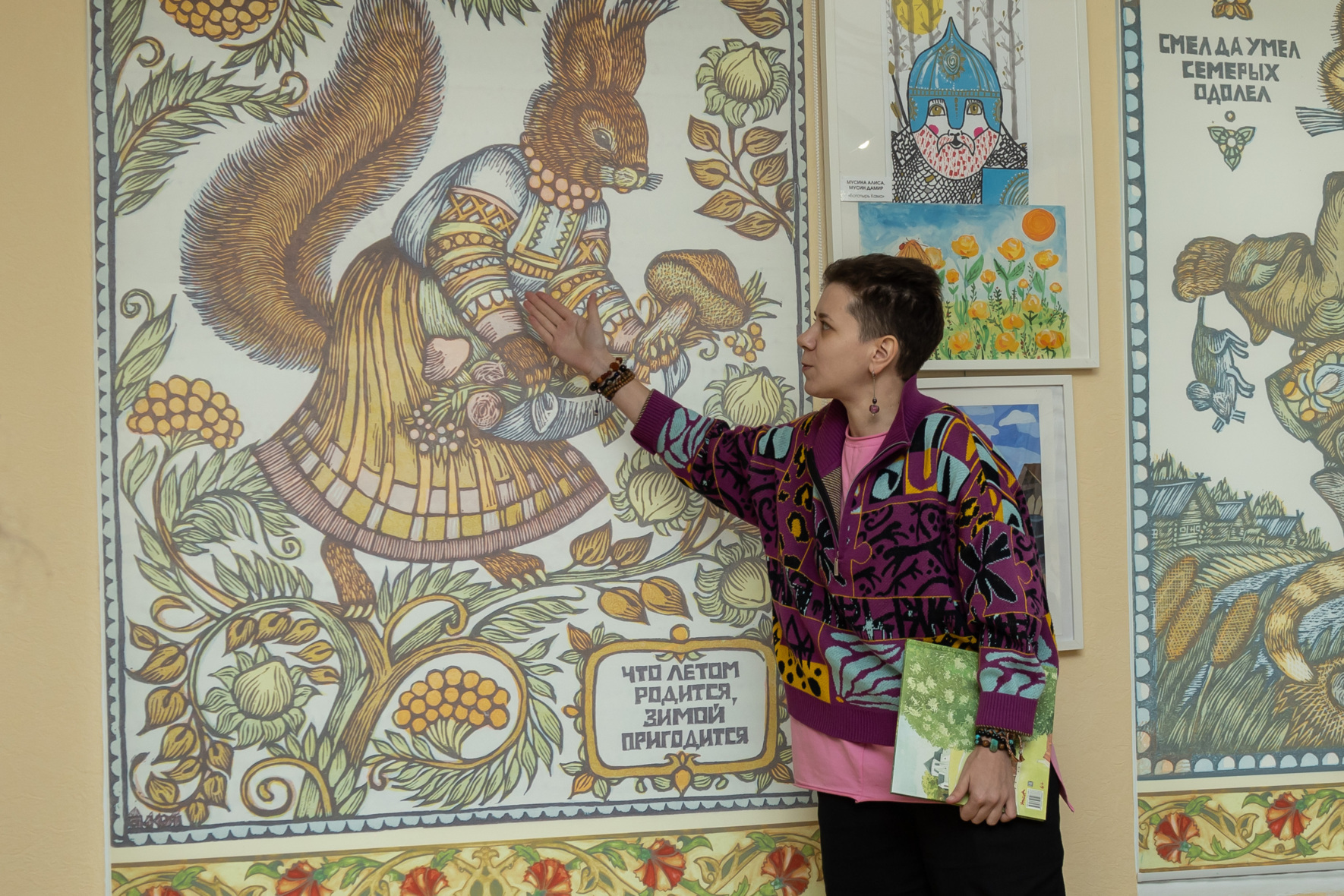
Dacha Moshchevitin is the first children's museum center in the city of Izhevsk and the Udmurt Republic, and for residents it is the first initial step on the path to their own local identity, a sense of belonging to the history, culture, and traditions of the place where they live.
Children's museum center "LabClub"

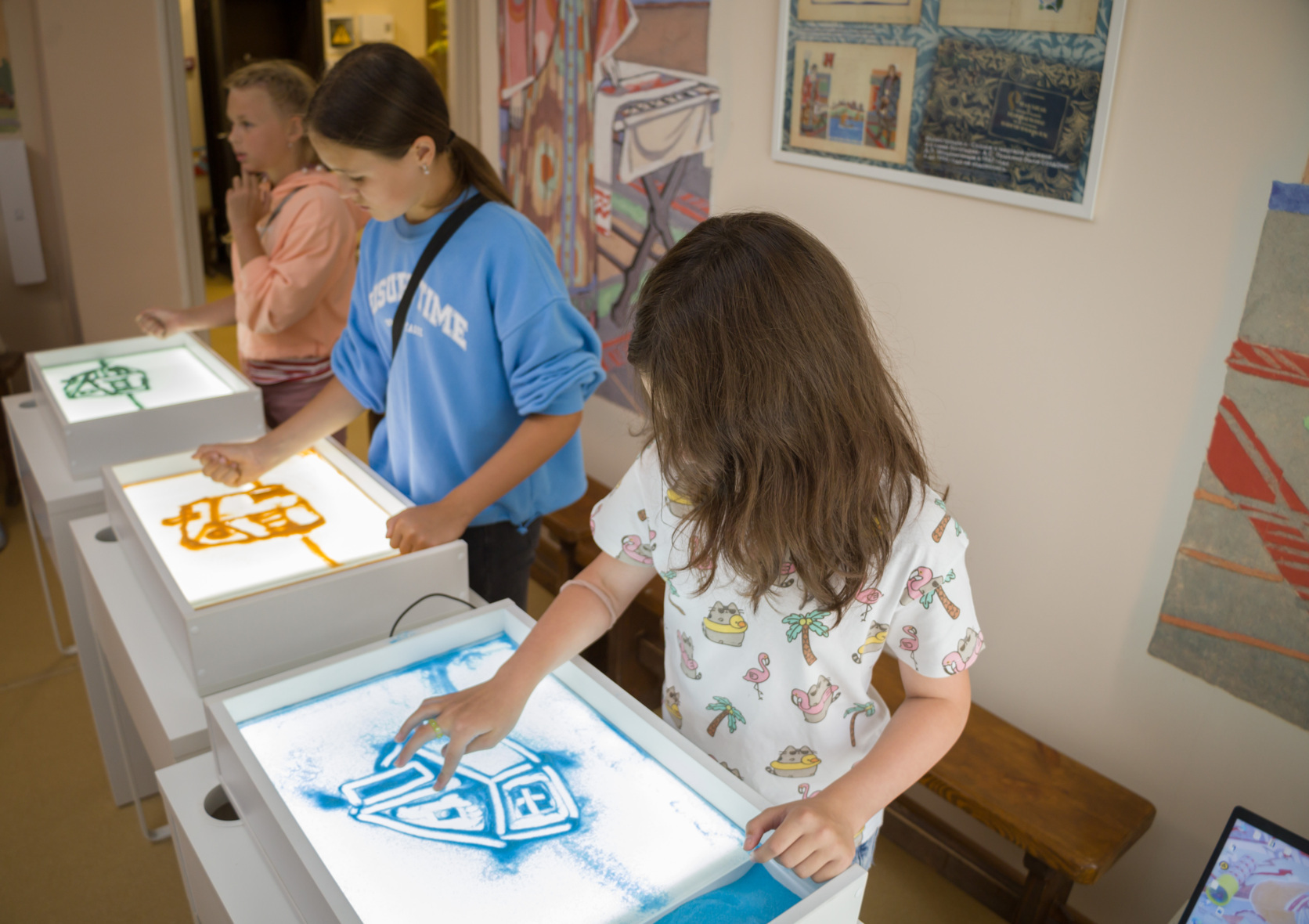
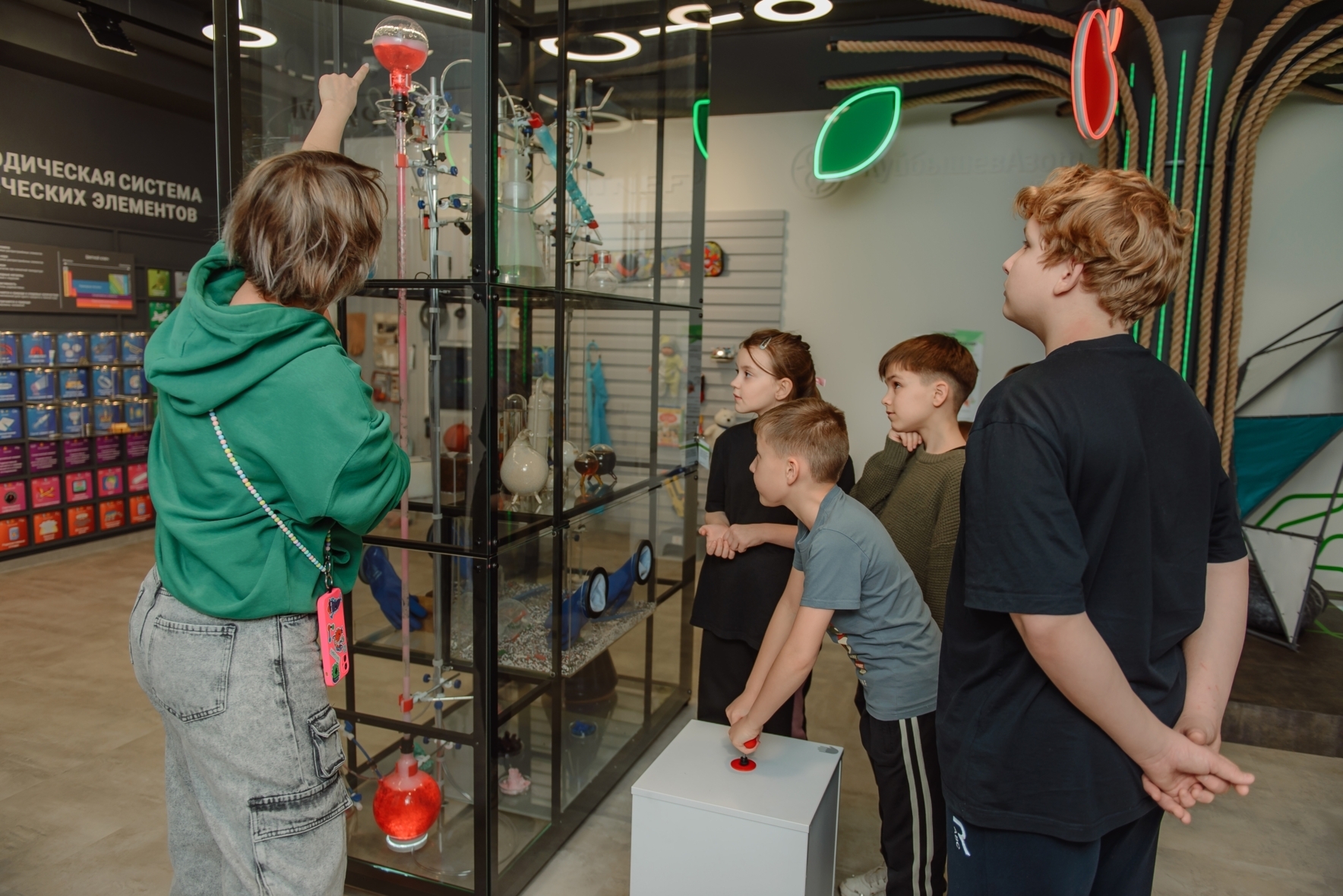
"LabClub" consists of two halls. The first is a creative space for master classes and chemical and physical experiments. The second hall is an interactive exhibition-laboratory dedicated to chemistry. Programs are designed for different ages: from 1.5 years to 15 years. Classes are held for organized groups from kindergartens and schools as well as for individual visitors. The exhibition features both analog and digital interactive modules: an air-lift pump, steering wheels for drilling and pumping oil, tactile objects in the Periodic Table, an object scanner, an interactive tree with fertilizer feeding, light painting, sound modules, encounters with ancient animals, and screen games "Build a Molecule", "What's in Food?", "Memo", and "Find 5 Objects".
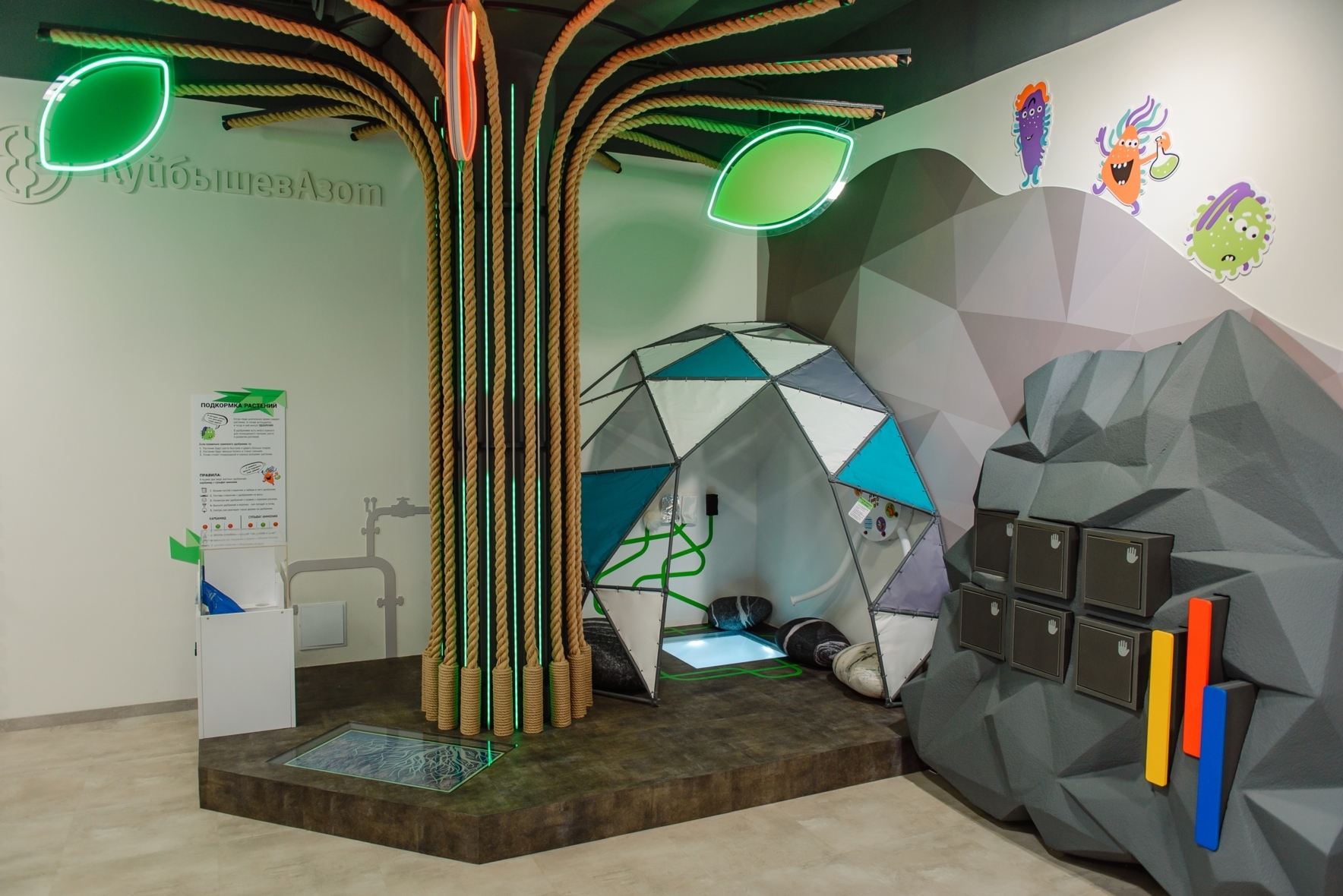
We managed to combine local history and STEM education in museum practice so that classes would engage children aged 3–15. The approach is based on a binary model of learning that combines scientific disciplines (in our case chemistry and physics), technology and engineering with the study of urban history. We emphasized this approach with two spaces filled with their own meanings. Practical lessons with experiments are held in the Laboratory. Theory and stories about science and the city take place in a 50 sq. m exhibition space. Here are the sections: "Laboratory", "Oil", "Periodic Table", "Chemistry Around Us", "Nature", and the secret room — "Photarium".
Creative Space "Naiskosok"

As a result of many years of work with children and families, it became clear that these programs needed their own "home". Thus in 2024 the museum opened the Creative Space "Naiskosok". This is a specially equipped room located in a freestanding wing in the garden of the Fountain House.
The name came from a poetic line by Joseph Brodsky, which Akhmatova used as an epigraph: "You will write about us askew" ('naiskosok'). These words speak of the continuity of generations, the transmission of creative heritage and experience from adults to children, and at the same time of the equality of big and small within the creative process.
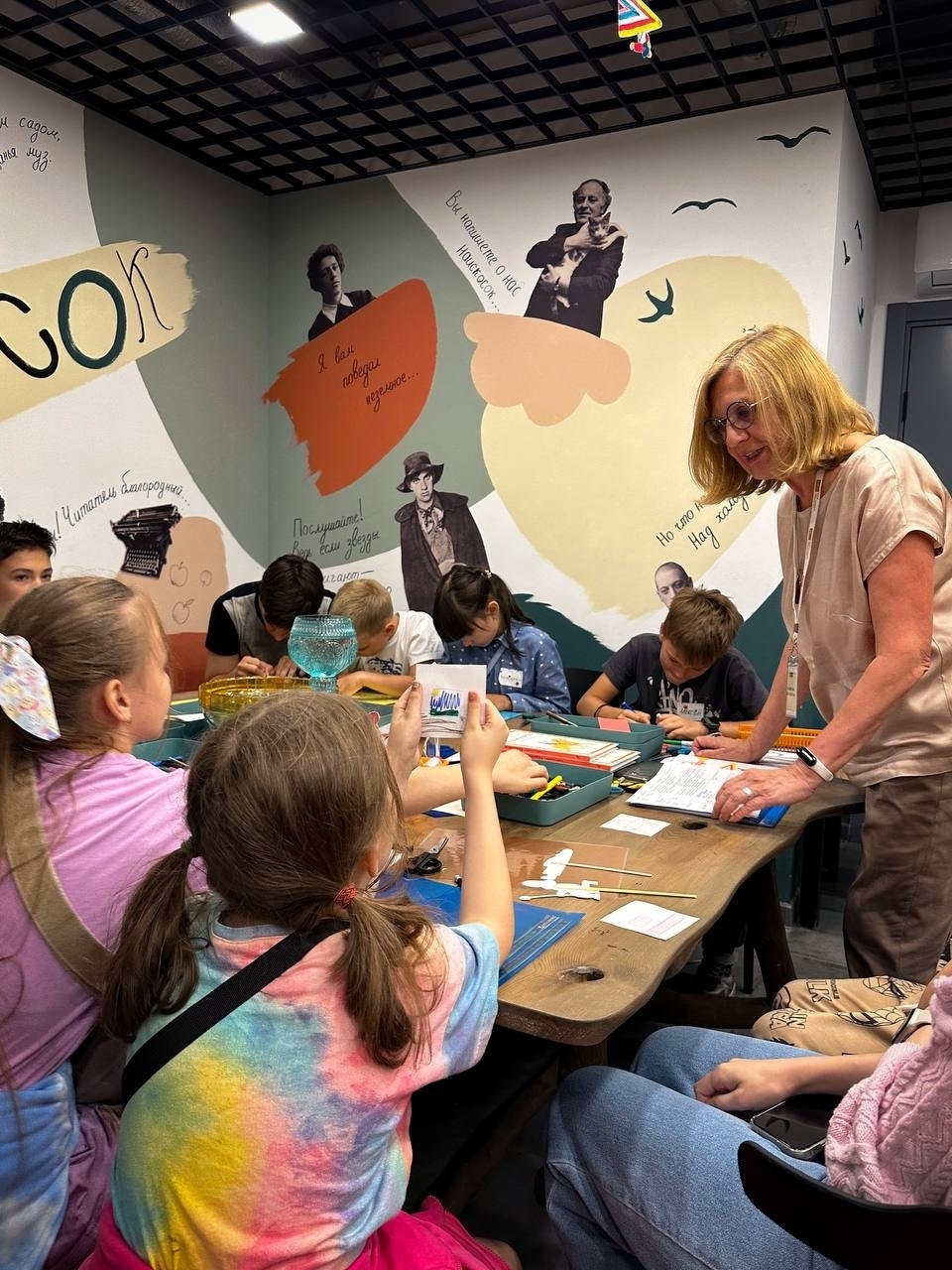
The space accommodated (physically and conceptually) a large pool of museum activities, both long-established and completely new. All museum workshops for children and teenagers typically have a two-part structure: half of a session takes place in the memorial exhibition or in the garden, but a significant part of any session requires a separate, specially equipped room, which the museum did not have before the emergence of the "Naiskosok" center.
The design and equipment of the "Naiskosok" space are universal for any of the museum's activities: up to 12 children and adults can be comfortably seated at a table, and everything needed for various types of sessions is stored in a specially constructed shelving unit. A separate exit to the garden and other thoughtful details create an atmosphere of a special space within the museum, connected to it and at the same time autonomous.
At the moment we are considering a separate strategy for promoting the children's direction. The programs are a large and significant part of the museum's work. We want to make information about them more accessible and convenient for our guests.
Recommendations for parents
Children's museum centers will appear in our country thanks to the national "Family" project, as well as the support of sponsors and partners.
Here are things to pay attention to when preparing to visit a children's museum center:
1) clarify the visiting rules: some children's centers offer programs and events only for organized groups;
2) find out about the infrastructure: how the cloakroom is arranged (for example, whether you can leave a large bag), where to park a stroller/scooter, whether there is a place to eat;
3) what to wear, in particular whether a change of shoes will be useful;
4) duration and content of the program: websites may have "lyrical" descriptions that do not convey the essence of the event;
5) check communication channels: some centers have their own social media pages, parent chats, email newsletters;
6) after your visit, if possible, write a review on social media mentioning the museum/children's center.
Cover photo provided by Children's Center "Arka Marka" (Moscow)
I thank Anna Zenkina, Anastasia Stalnaya, Oksana Bogunova, Tatyana Alabuyeva, Elena Belova, Ksenia Leontyeva, and Anastasia Kovalchuk for their help in preparing the materials.