Sign up
You have successfully registered, a confirmation email has been sent to the email address you provided.


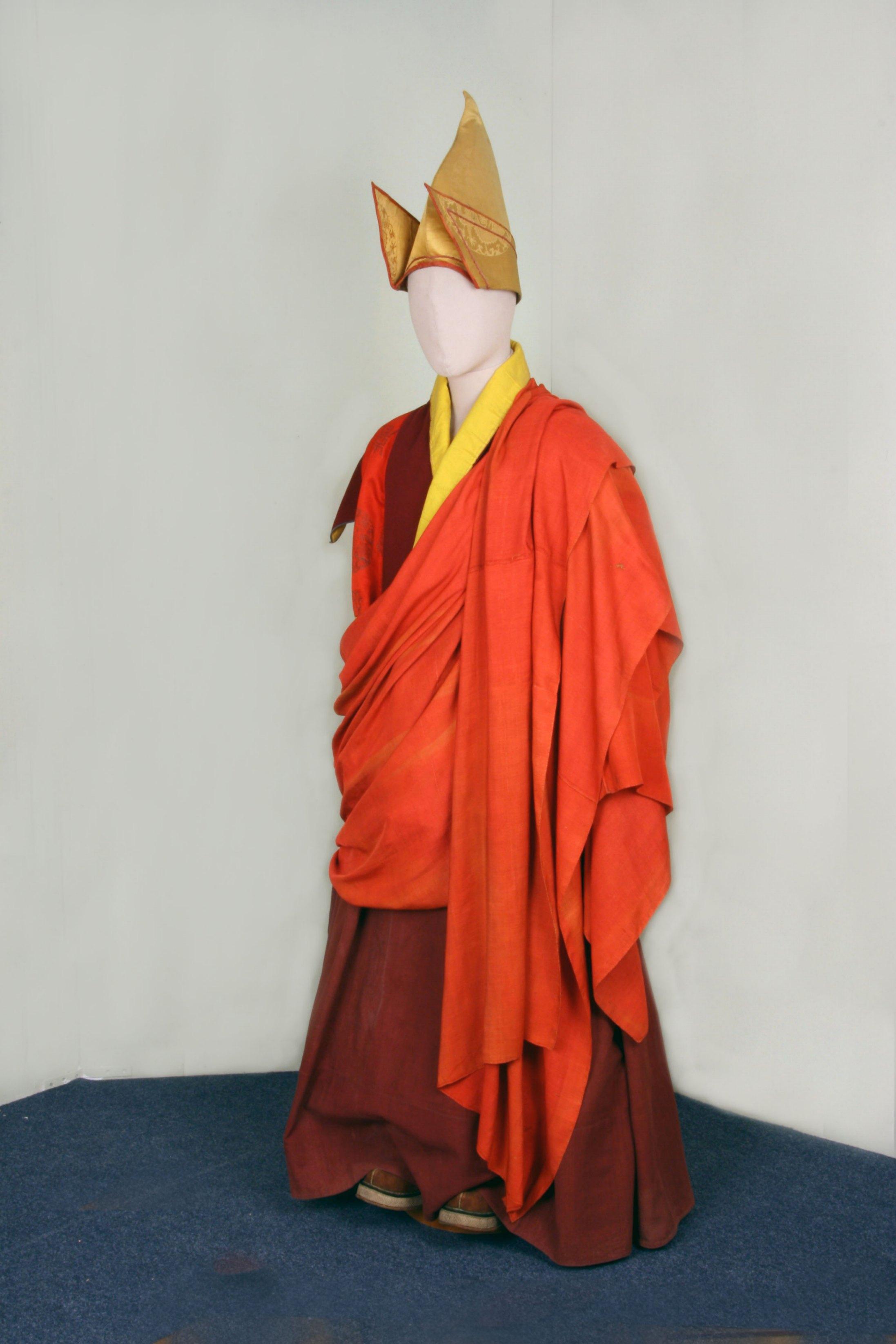
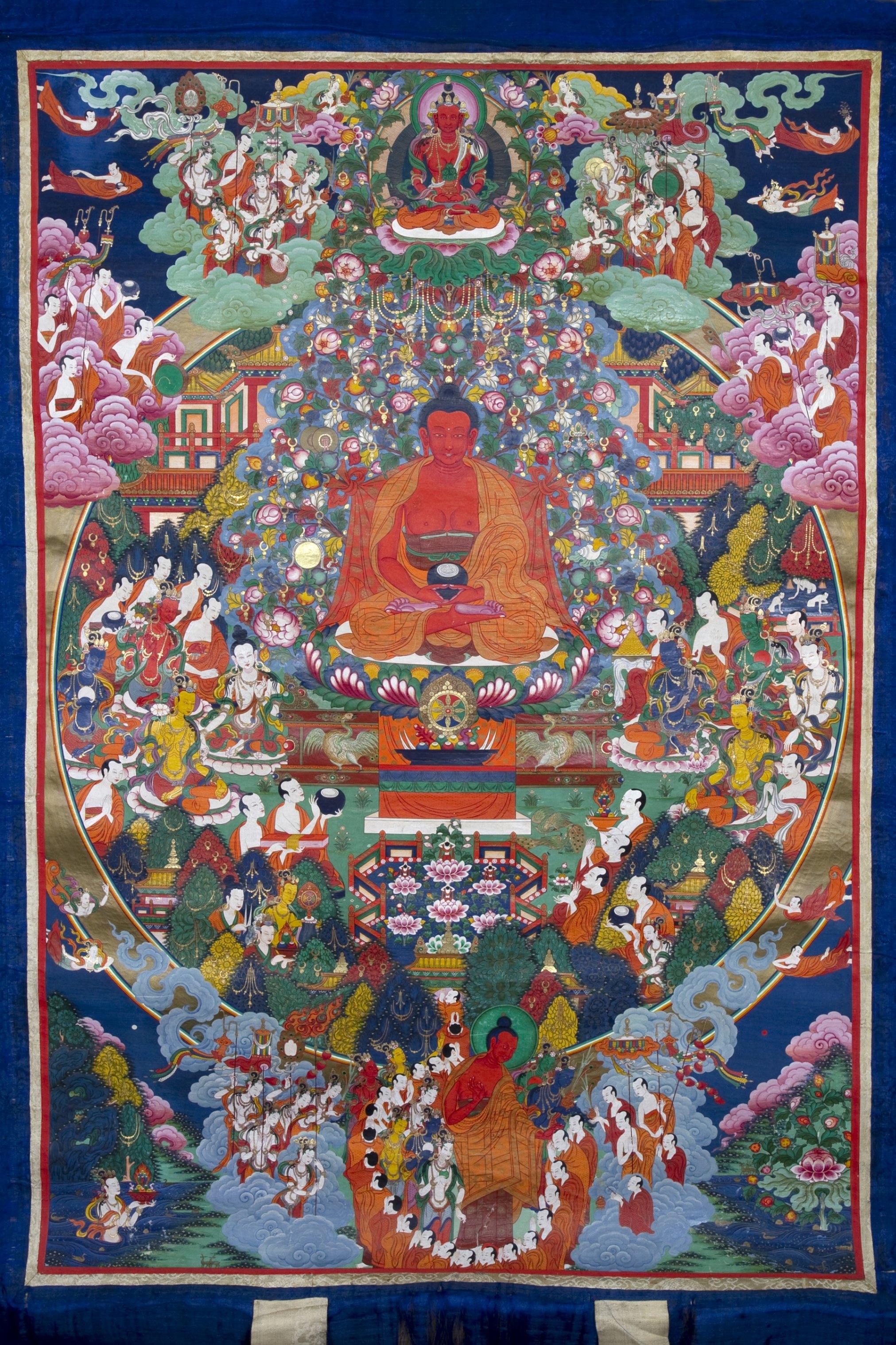
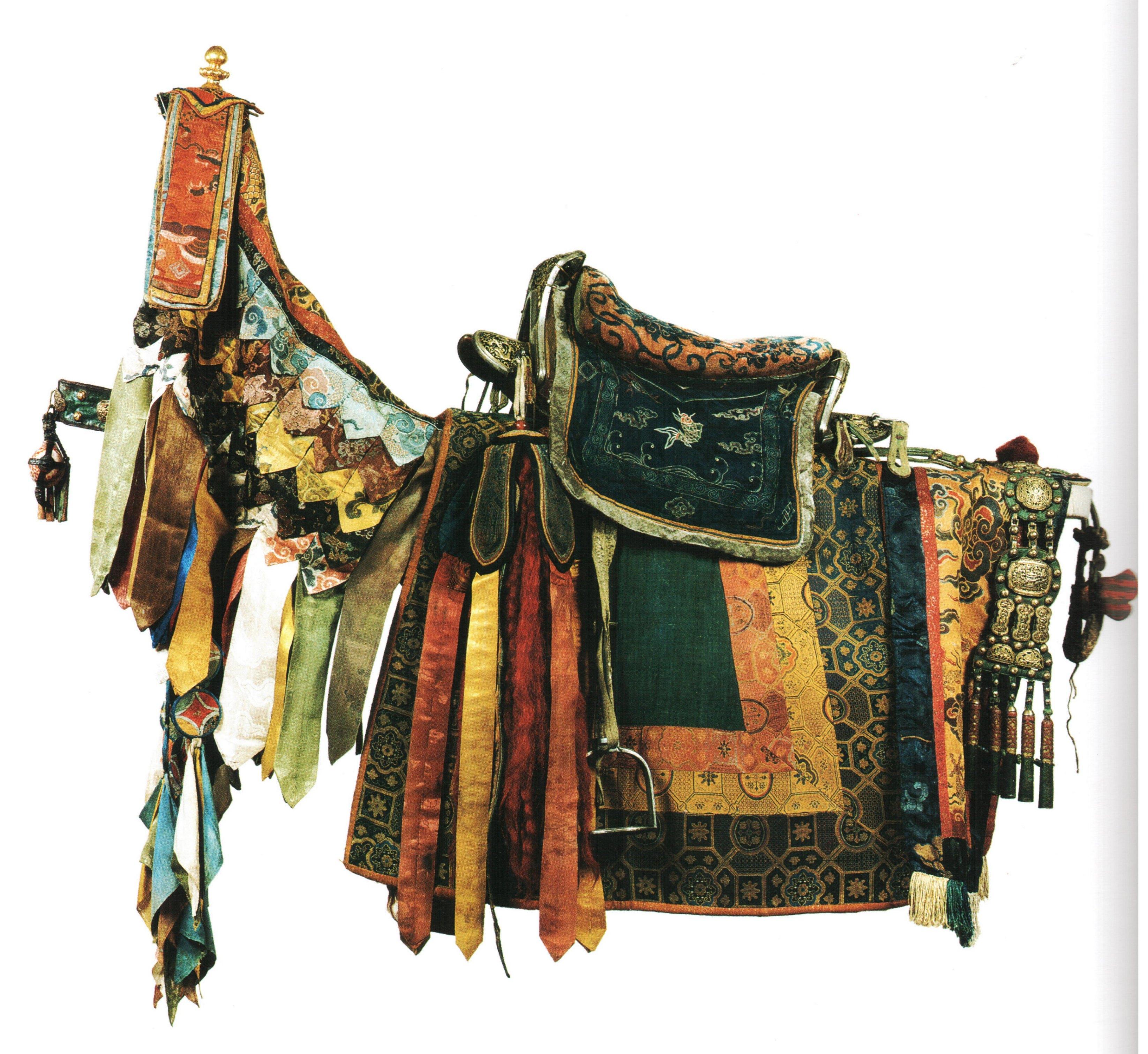
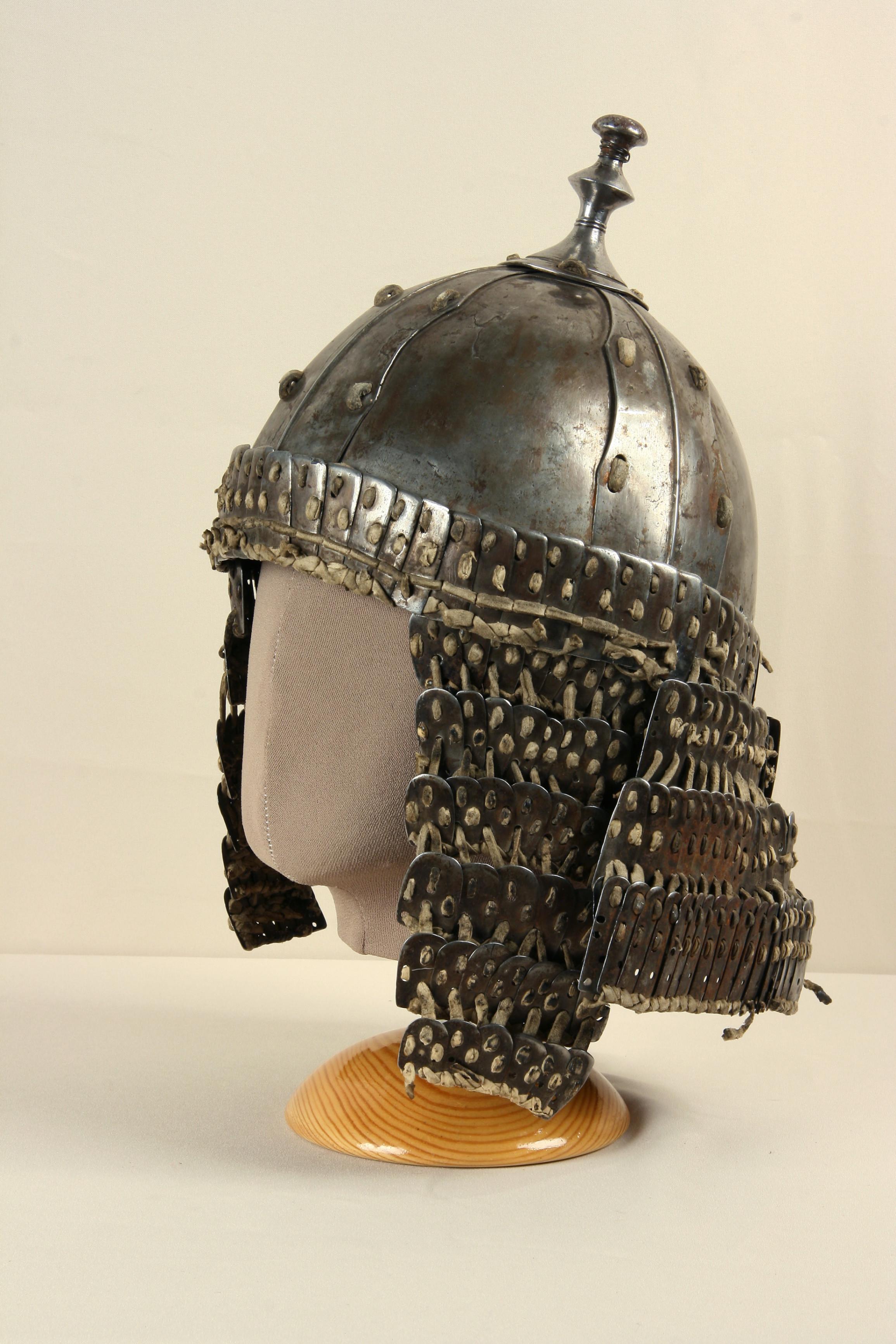
The exhibition is dedicated to the history of the establishment of the Buddhist temple in Saint Petersburg, which became the main religious and cultic center for Buddhists of the Northern Capital. Special attention is paid to the figure of Agvan Dorzhiev (1853–1938) — a Buryat Buddhist scholar and a major religious, political and public figure who was the founder and first abbot of the Buddhist temple in Saint Petersburg. The exhibition displays ethnographic items from the collection of the Russian Ethnographic Museum (REM) related to Agvan Dorzhiev and his religious, public and political activities. A separate section of the exhibition is formed by gifts to the imperial family presented by A. Dorzhiev on behalf of the 13th Dalai Lama on 26 March 1913 on the occasion of the 300th anniversary of the House of Romanov and in honor of the first service held in the Saint Petersburg Buddhist temple on that date. These include the unique trappings of the "royal horse" used in Tibet for parades and ceremonial outings, the armor of a Tibetan warrior, and items from the altar complex. Visitors are also presented with the costume of a Buryat lama recreating the image of Agvan Dorzhiev, a model of a Buddhist altar, and Buddhist icons and sculptures from the REM collection. A valuable contribution to the exposition’s concept are the collections of the Saint Petersburg Buddhist temple "Datsan Gunzechoinei": thangkas — painted depictions of Buddhist deities, a prayer drum and other ritual attributes. The presentation of these exhibits is a vivid testament to the connection between past and present in the life and activity of the datsan, which has preserved and continues the Buddhist tradition in the Northern Capital. The exhibition is complemented by a display of historical photographs related to Agvan Dorzhiev and the founding of the Saint Petersburg datsan (from the Central State Historical Archive, the State Museum of the History of Religion, and the personal archives of A.I. Andreev and A.A. Terentyev).
