





Sign up
You have successfully registered, a confirmation email has been sent to the email address you provided.

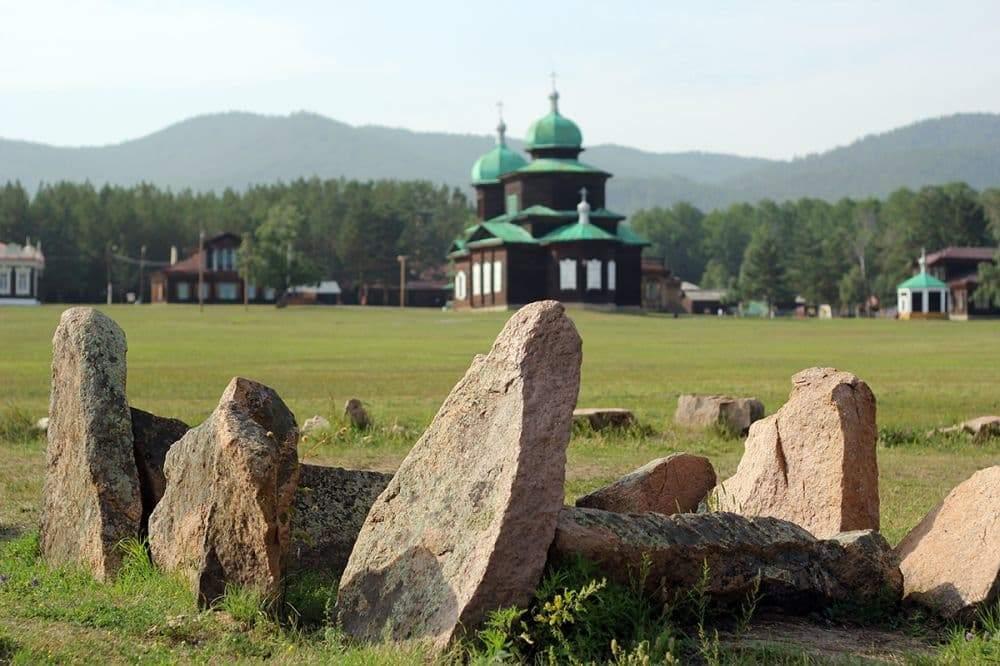
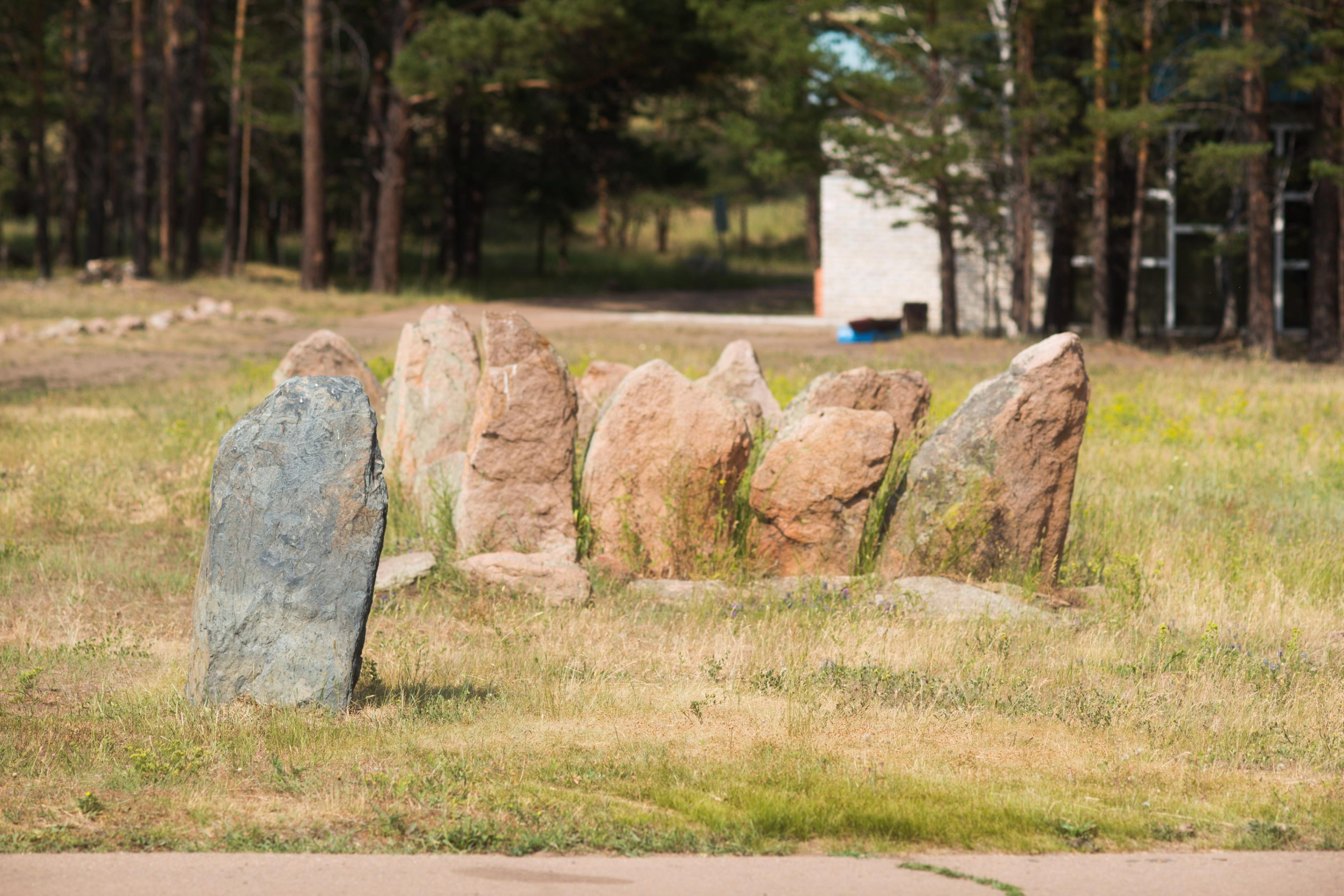
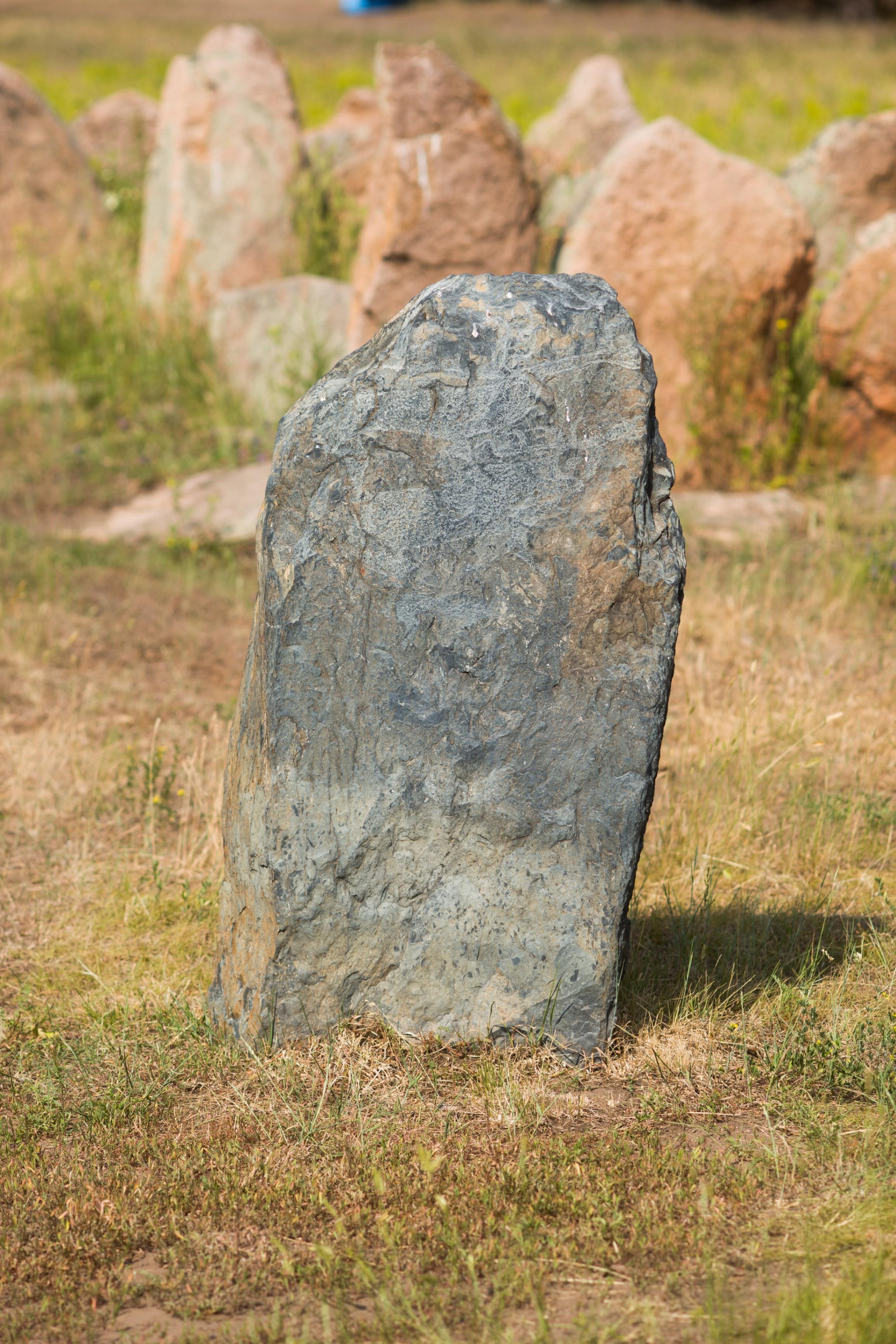
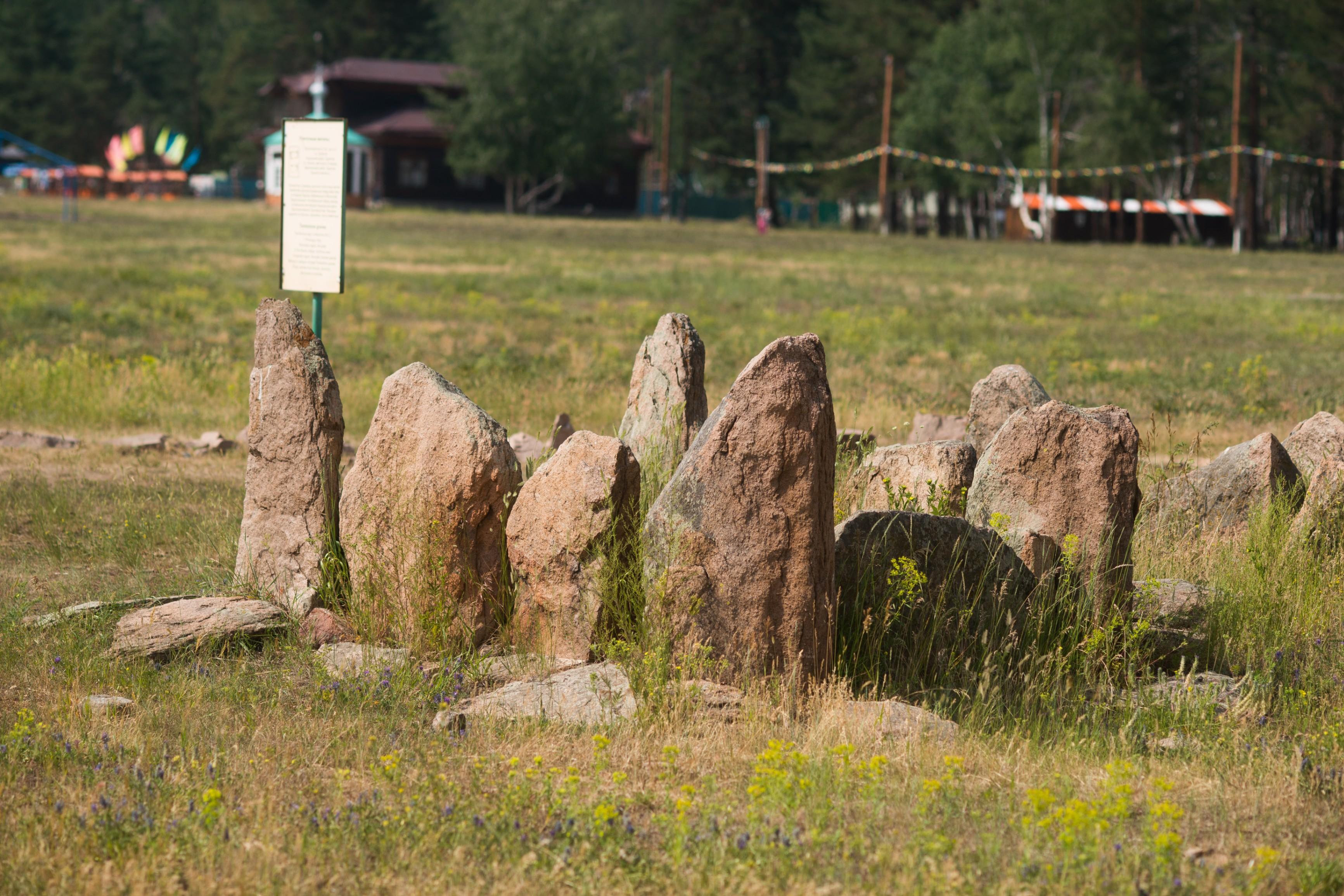
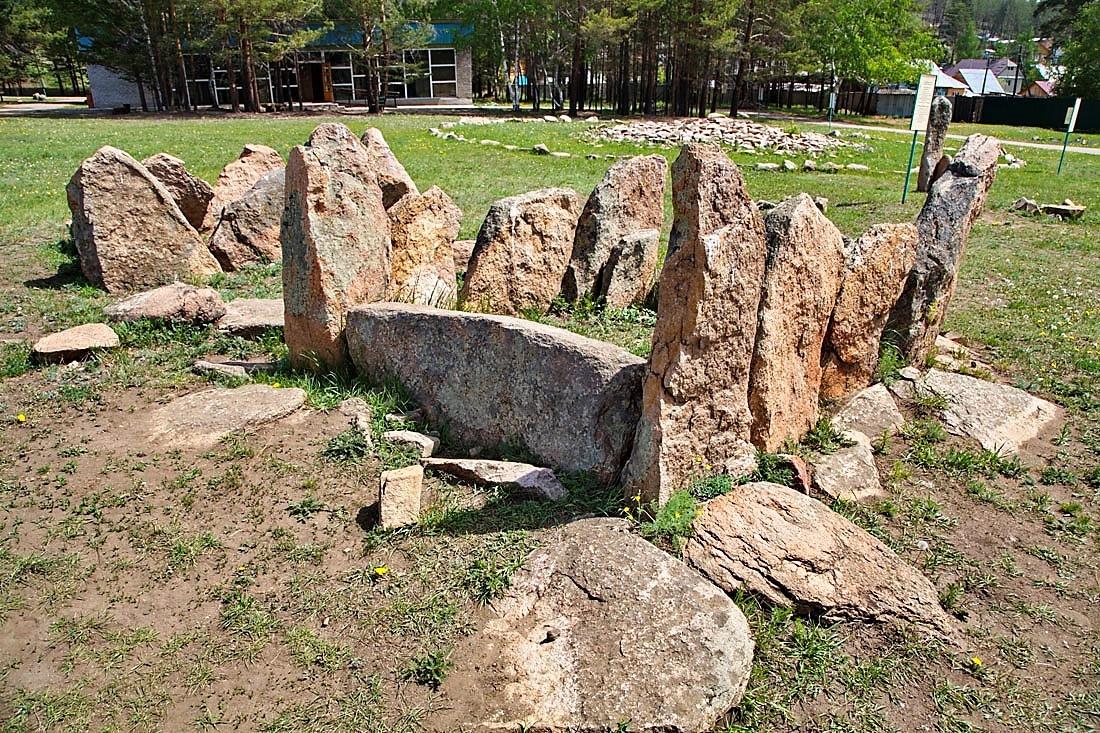
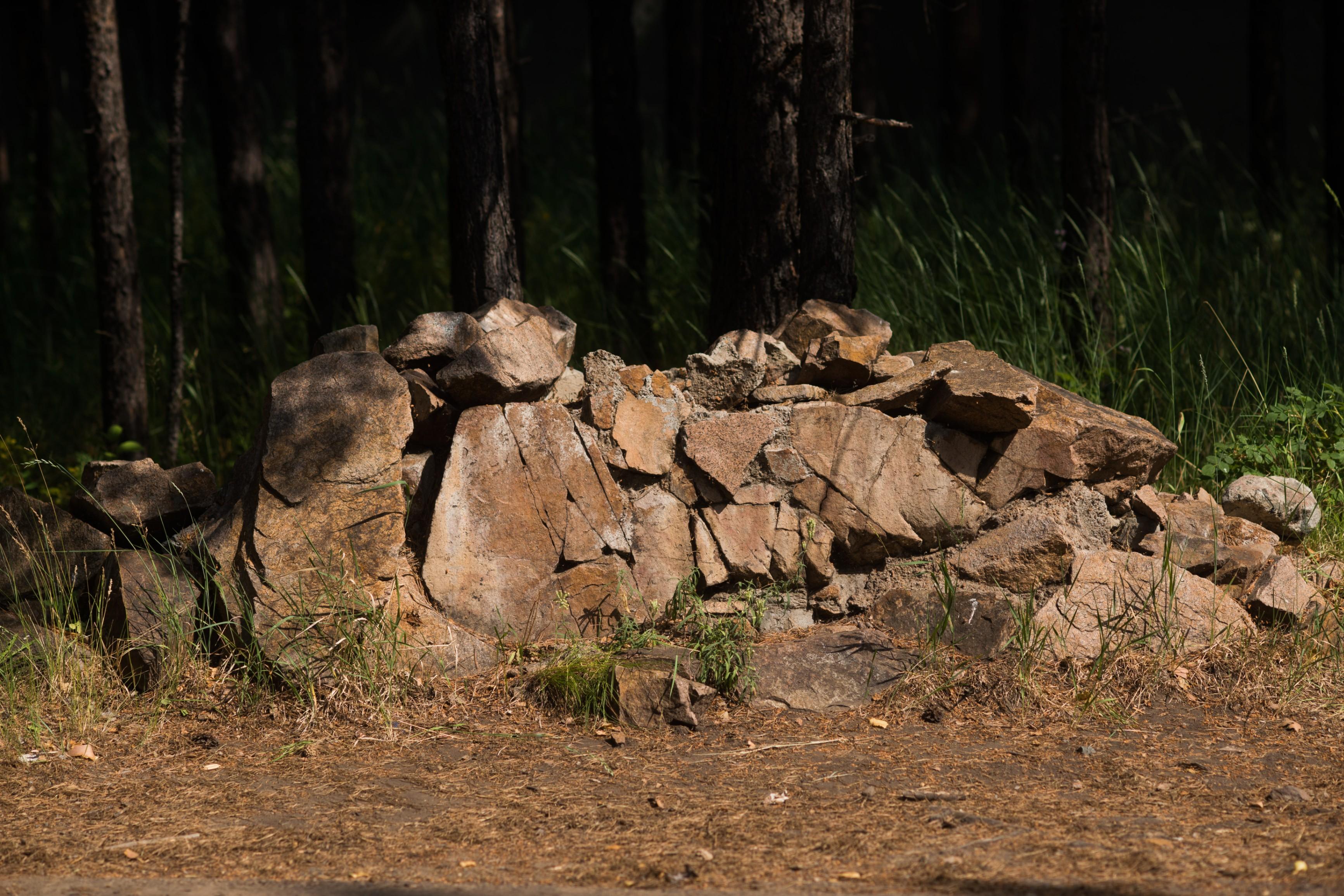
The open-air monument exhibition is opened by the Deer Stone — a stone stele depicting three stylized deer with bird-like beaks in the dynamic motion of a swift run. Such works of stone-carving art place the Transbaikal region within the zone of Scythian-Siberian cultural-historical unity. The level of art of the Transbaikal tribes of the Bronze Age is evidenced by numerous petroglyphs: stylized depictions of animals, birds, and anthropomorphic figures executed in red ochre on rock surfaces. The complex's exhibition includes petroglyphs transported from the Bolshoy Tologoy area of the Ivolginsky District of Buryatia. Petroglyphs may have been made using other techniques: they were pecked into hard rock, rubbed, or scratched. Petroglyphs of this kind are represented by examples from the Kyakhta District of Buryatia. Across the steppes of southern Buryatia there is a contact zone of two cultures that left burial monuments in the form of stone mounds of the kurgan type, surrounded by stone enclosures: kereksurs and burial structures referred to by archaeologists as "slab graves." The population of the kereksur culture, according to many researchers, belonged to proto-Turkic, Caucasoid (Europoid) tribes and occupied the western areas of Central Asia, while the population of the slab-grave culture was Mongoloid, autochthonous to the region and migrated from the east of Central Asia.
