Sign up
You have successfully registered, a confirmation email has been sent to the email address you provided.


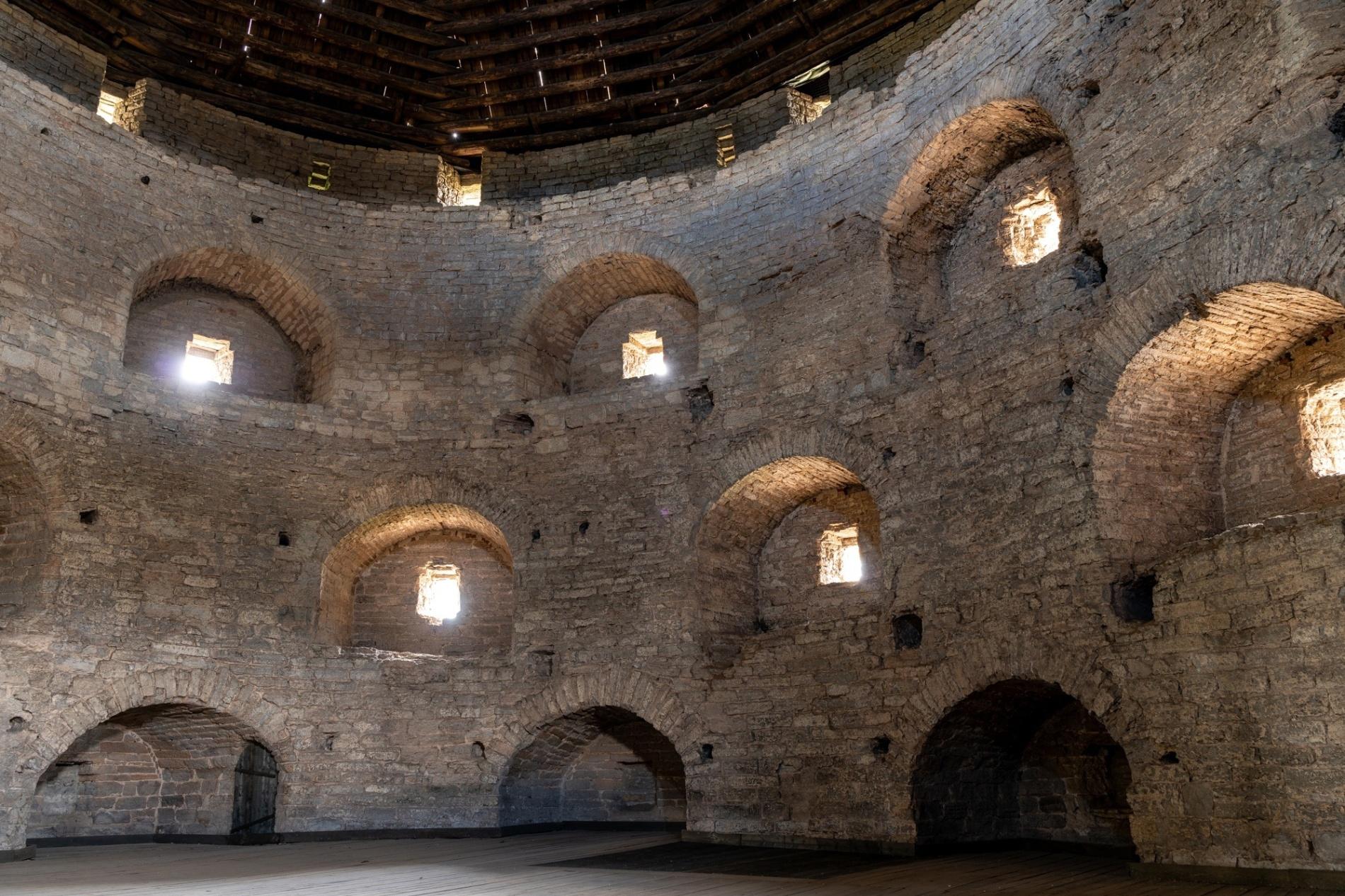
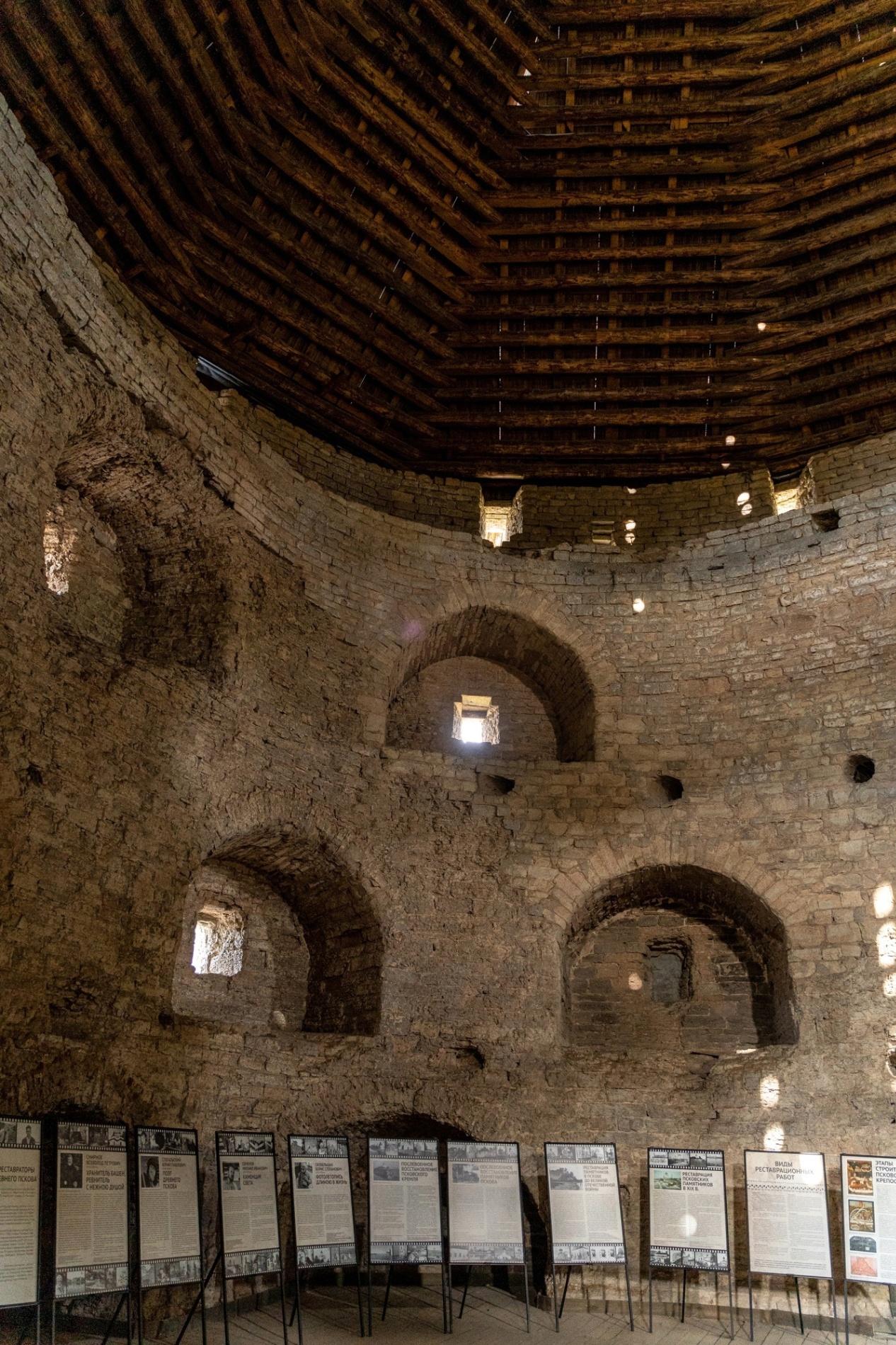
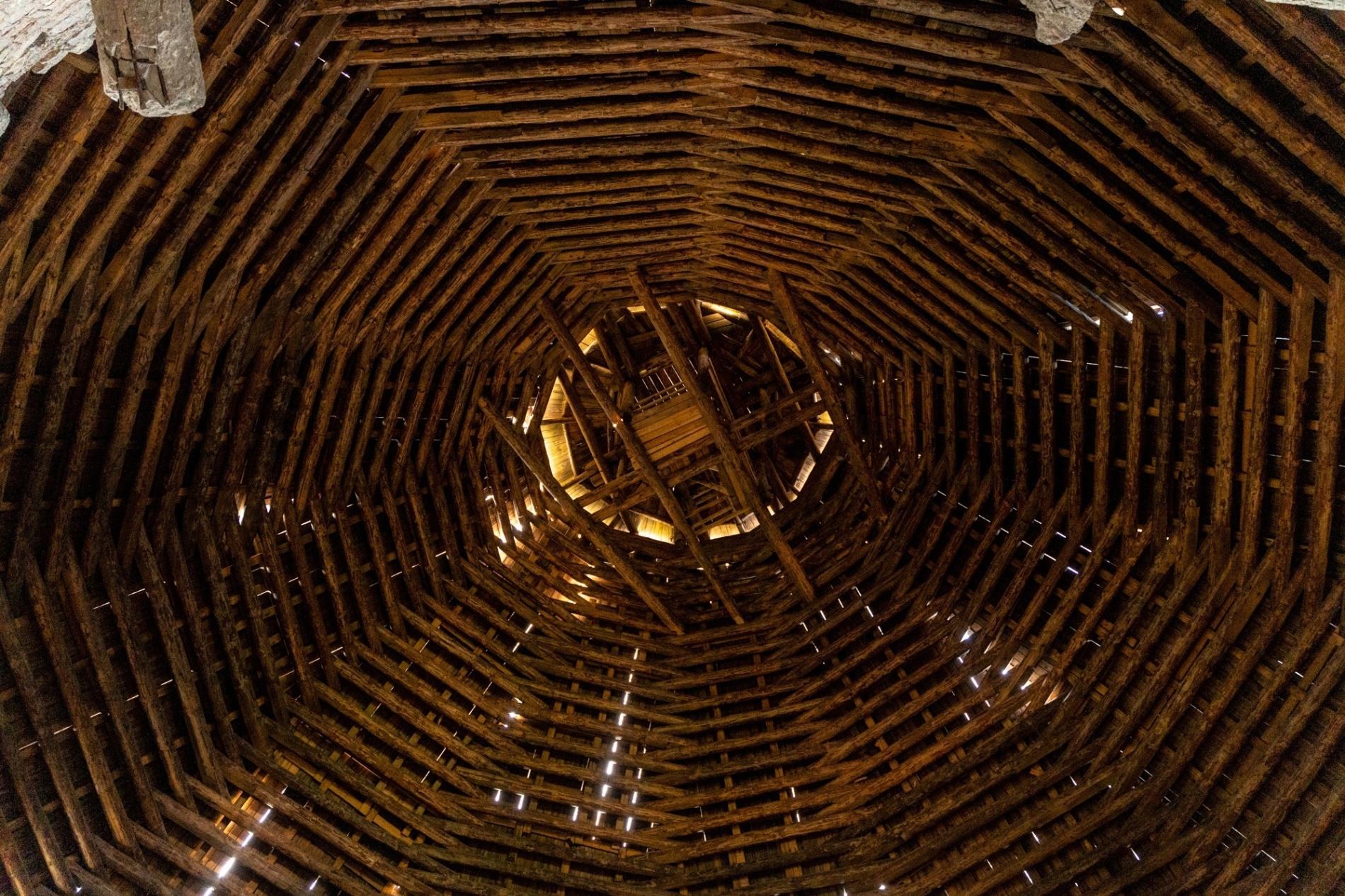
The Pokrovskaya Tower is part of the fortress walls of Okolny Gorod. It is a unique monument of military-defensive architecture of the 16th–17th centuries. The tower housed a large garrison that could, if necessary, exit through its gate to engage the enemy in hand-to-hand combat. The tower projects beyond the line of the walls, allowing flanking fire on an enemy approaching the walls. The tower played a special role in the defense of the city during the siege of Pskov in 1581 by the army of Polish King Stefan Batory. The main attack was concentrated in the area of the Pokrovskaya Tower. The Pokrovskaya and Svinorskaya towers were heavily damaged, and a 50 m stretch of wall was destroyed down to the foundation. After the end of hostilities the tower was repaired. The mid-17th century was the period of greatest flourishing of Pskov's stone architecture. Much attention was paid to the stone fortifications and especially to strengthening the Pokrovskaya Tower. The thickness of its walls at the base reached 6 m, the circumference measured 92 m, and the height including the spire was 35.5 m. Visitors can see the tower's interior, study the unusual construction of its walls and loopholes, and view materials from poster exhibitions that tell about the heroic defense of Pskov in 1581, the monument's history, stages of its restoration, and the people thanks to whom the tower has been preserved to this day.
