We plunged into the second twenty-year period of the 20th century — a time when the worlds of science and music changed forever.
This was a period of many discoveries, which we learned about in a lecture by Alexey Semikhatov, Doctor of Physical and Mathematical Sciences and scientific curator of the ATOM Museum:
• the first antibiotic — penicillin — was discovered;
• the cosmos turned out to be larger than previously supposed (it became known that our galaxy is only one of many!);
• Gödel's incompleteness theorems were proved.
The musical part of the evening became a natural continuation of the lecture.
Avant-garde works by Nikolai Roslavets, Paul Hindemith, Kurt Weill, and Erwin Schulhoff were performed. These compositions are not just music. They are an artistic document of the time, reflecting an insatiable search for new means of expression. Like the revolutionary discoveries in physics that broke familiar notions of space and time, the avant-garde compositions reexamined the very foundations of musical language.
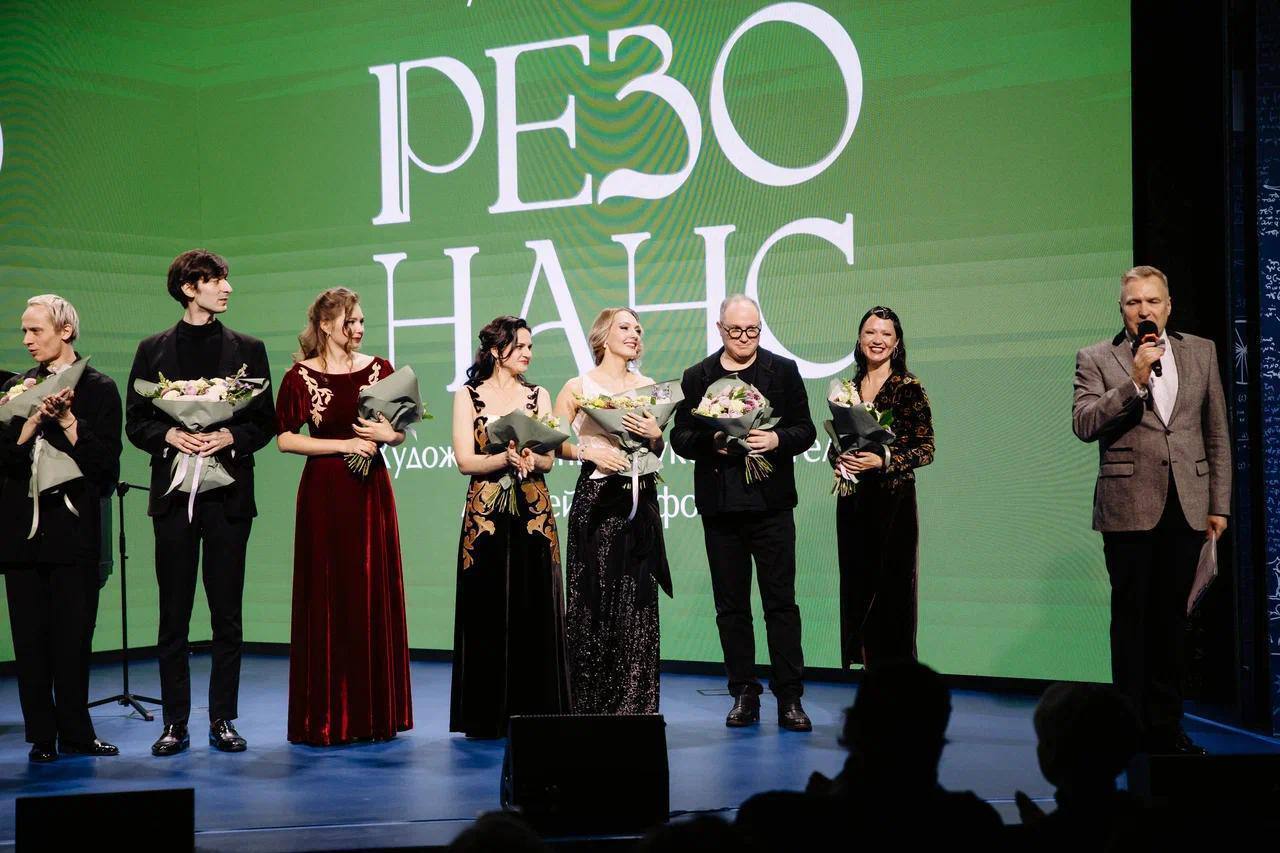
Performers included:
• Soloists of the Nizhny Novgorod State Academic Opera and Ballet Theatre named after A.S. Pushkin — Maria Kalinina (soprano), Valeria Gorbunova (mezzo-soprano), Ksenia Tsendra (piano).
• A quartet of soloists from the musical creative association "Prityazhenie" — Dennis Gasanov (violin), Roman Vikulov (violin), Ilya Gofman (viola), Petr Kondrashin (cello).
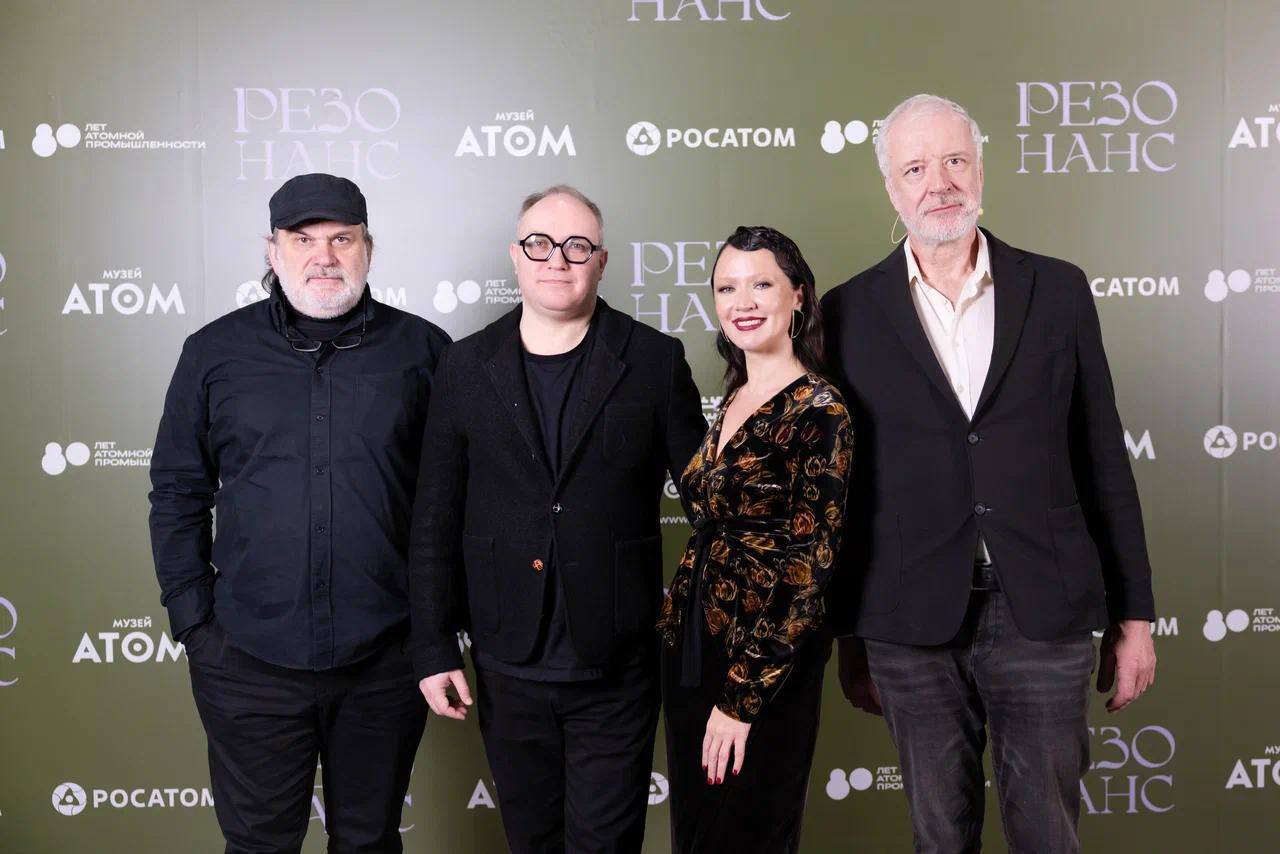
Artistic director of the music and science festival "Resonance" — Alexey Trifonov.
Special guest of the event — Andrey Moguchy, an outstanding theatre director.
Very soon we will tell you about the festival's third meeting, where we will move on to the third twenty-year period of the 20th century.