Sign up
You have successfully registered, a confirmation email has been sent to the email address you provided.

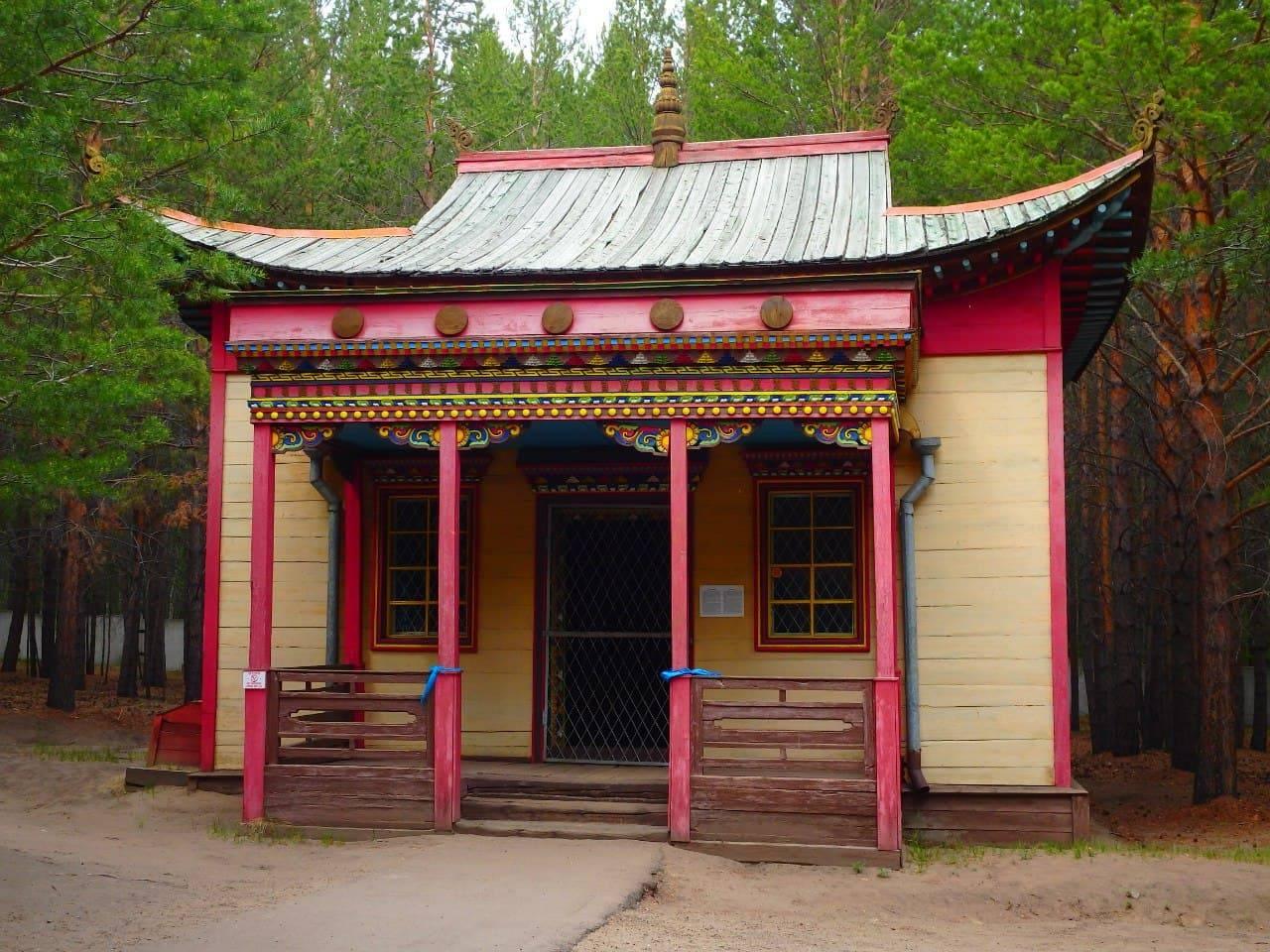
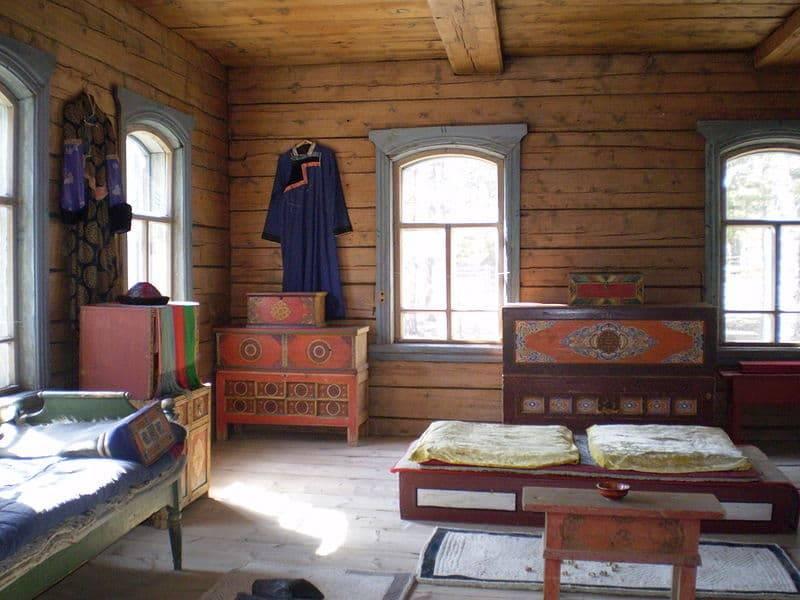
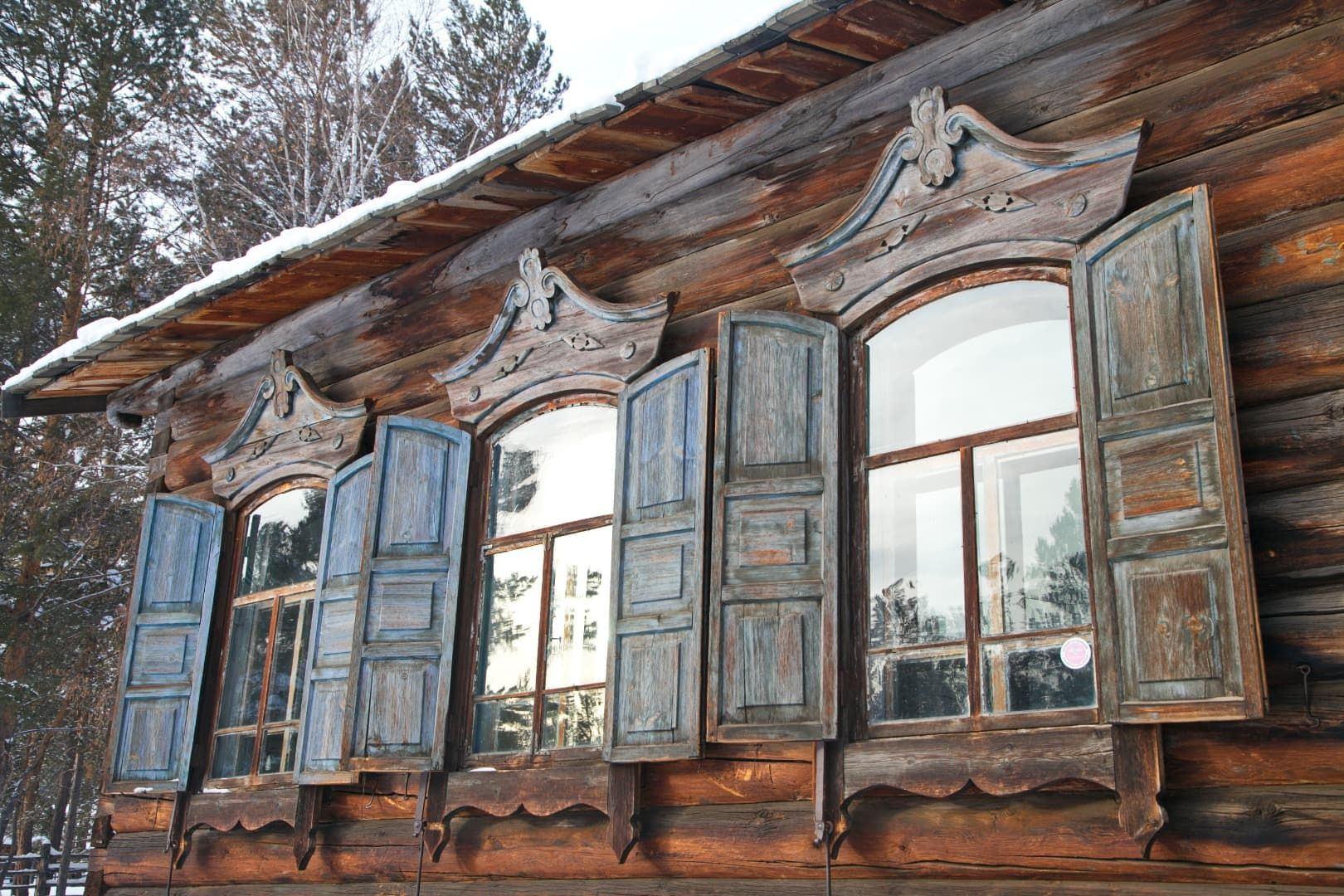
The complex includes a Russian-style winter house (dom-zimnik), two wooden summer yurts, a felt yurt, a two-chamber barn, and a ritual Buddhist temple (dugan). The dom-zimnik of a well-to-do Buryat, built on a Russian model, retained features of the traditional felt yurt interior in its furnishings. A novelty was a brick stove that divided the house into two conventional halves. When the warm season arrived, the family moved into the wooden yurt, which was used as a barn in winter. The felt yurt is the classic dwelling of the nomads of the Central Asian steppes. The organization of the yurt's interior exemplifies the nomad's particular worldview. The nomad's way of life is frugal — the yurt's interior contains only what is necessary for life on the move. The religious architecture of the Buryats, associated with the spread of Buddhism at the end of the 17th century, is represented by a small Buddhist temple (dugan) brought from the Tamchin datsan “Devazhin” (“Paradise”) in the Selenge district of Buryatia. Skillful wood carving was a traditional technique for decorating Buddhist temples.
