

Sign up
You have successfully registered, a confirmation email has been sent to the email address you provided.

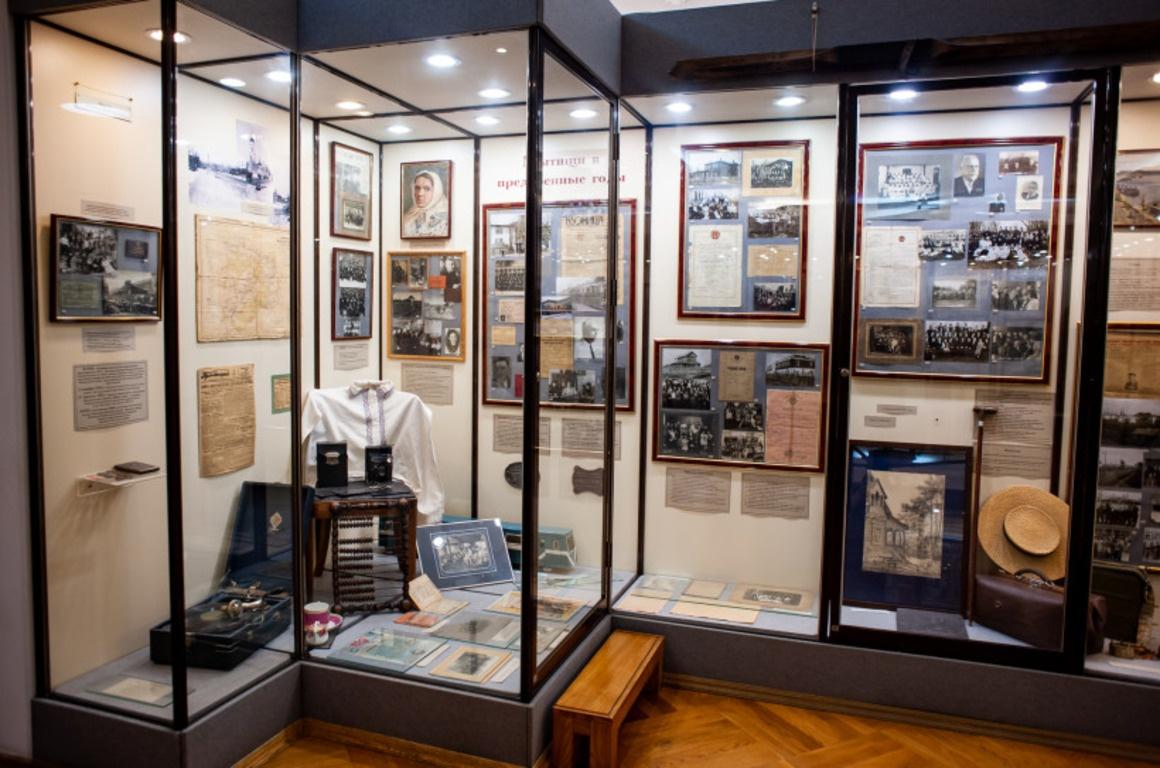
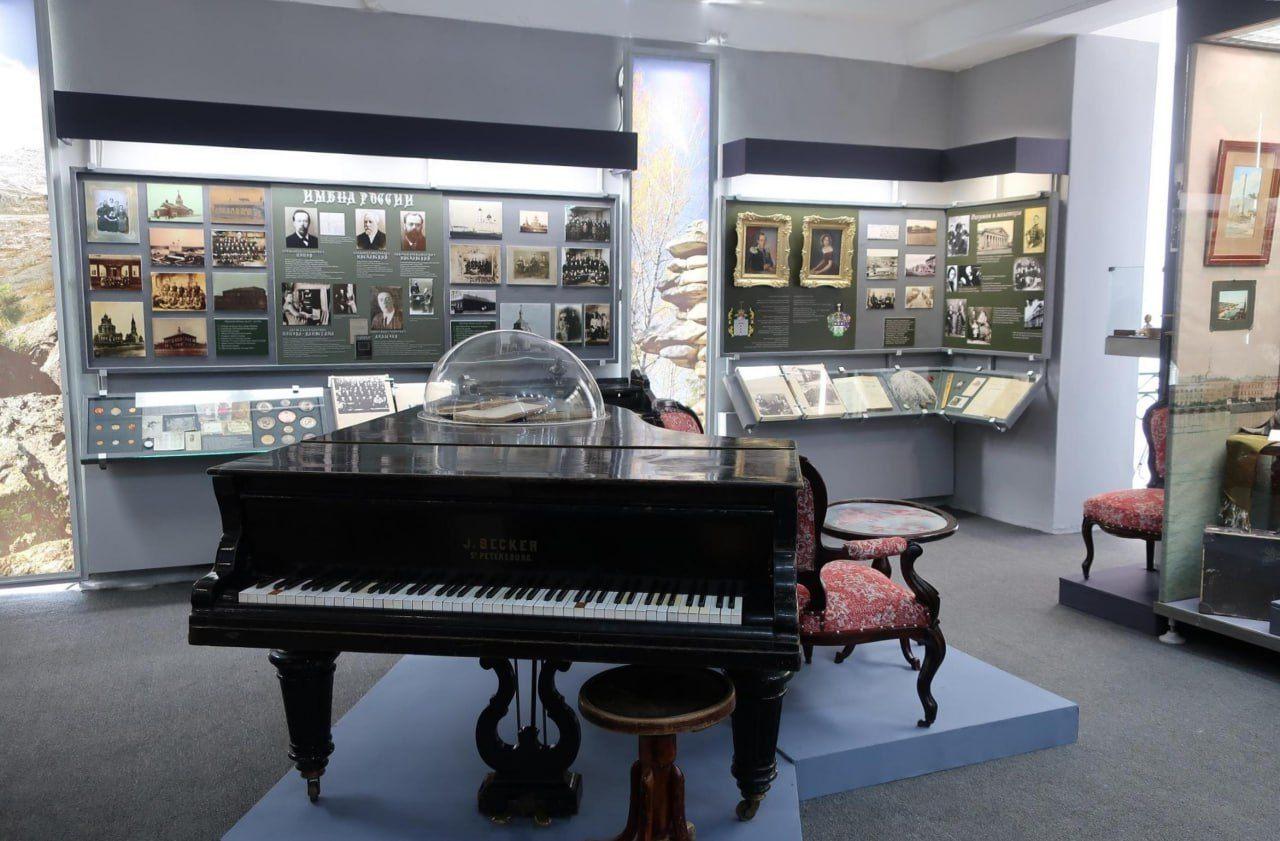
Archaeological finds from various monuments of the Mytishchi urban district can be seen in the museum's first hall. The region's history goes far back in time. The city's name is connected with the existence, in the 11th–14th centuries, of an important trade route along the Yauza River to the Klyazma River basin. From the Yauza to the Klyazma, vessels were portaged for 7–8 km. At the place where Mytishchi now stands there was then a collection point for transit tolls, collectively known as "myt." Within the boundaries of the city of Mytishchi is the old village of Tayninskoye (formerly Toninskoye), known since the early 15th century — the hereditary estate (votchina) of the great Moscow princes and Russian sovereigns, serving as their country residence. The exhibition in the second hall is devoted to the estates of the Mytishchi region, preserving the memory of notable figures of Russian history and culture of the 18th–20th centuries. The third hall's exhibition presents the history of Mytishchi at the end of the 19th and the beginning of the 20th century. Original documents present the history of the Mytishchi Car-Building Plant (now "Metrovagonmash"), whose founders included S. I. Mamontov, K. D. Artsybushev, and others. The historical section concludes with the hall "Mytishchi Residents during the Great Patriotic War (1941–1945)," which tells of the deeds of Mytishchi's inhabitants during this difficult and heroic time. In the halls dedicated to the culture and art of the Mytishchi region are displayed artistic metal castings, souvenirs, and items of traditional folk arts and crafts. Read more at https://mytyshimuseum.ru/posetitelyam/ekskursii-muzeya/
