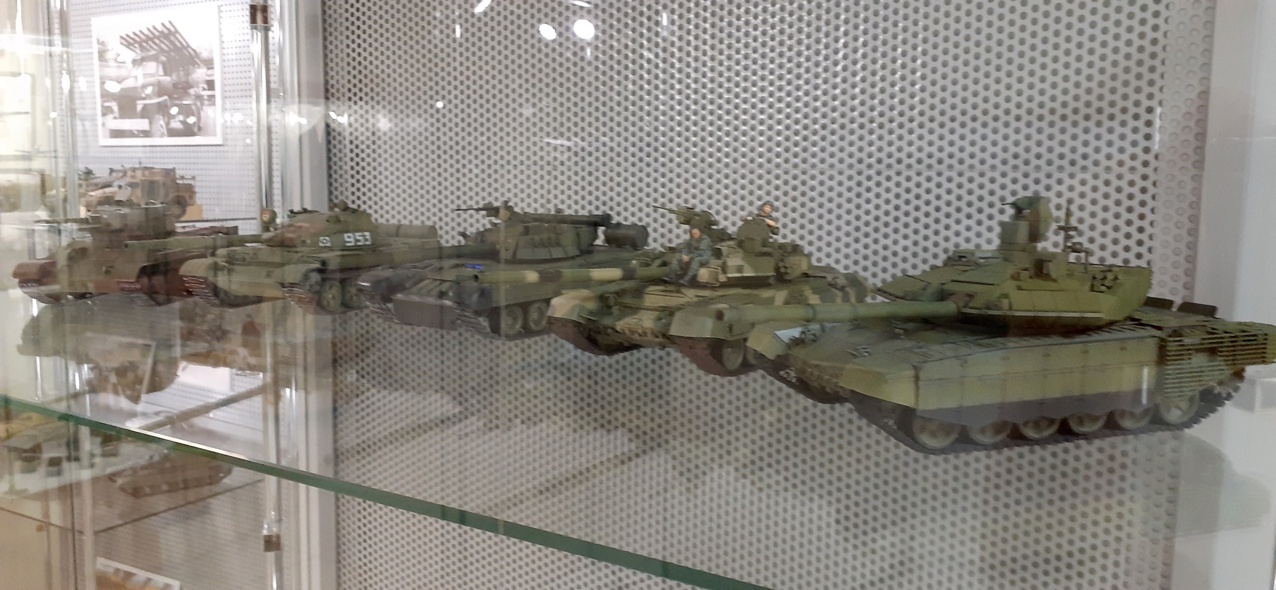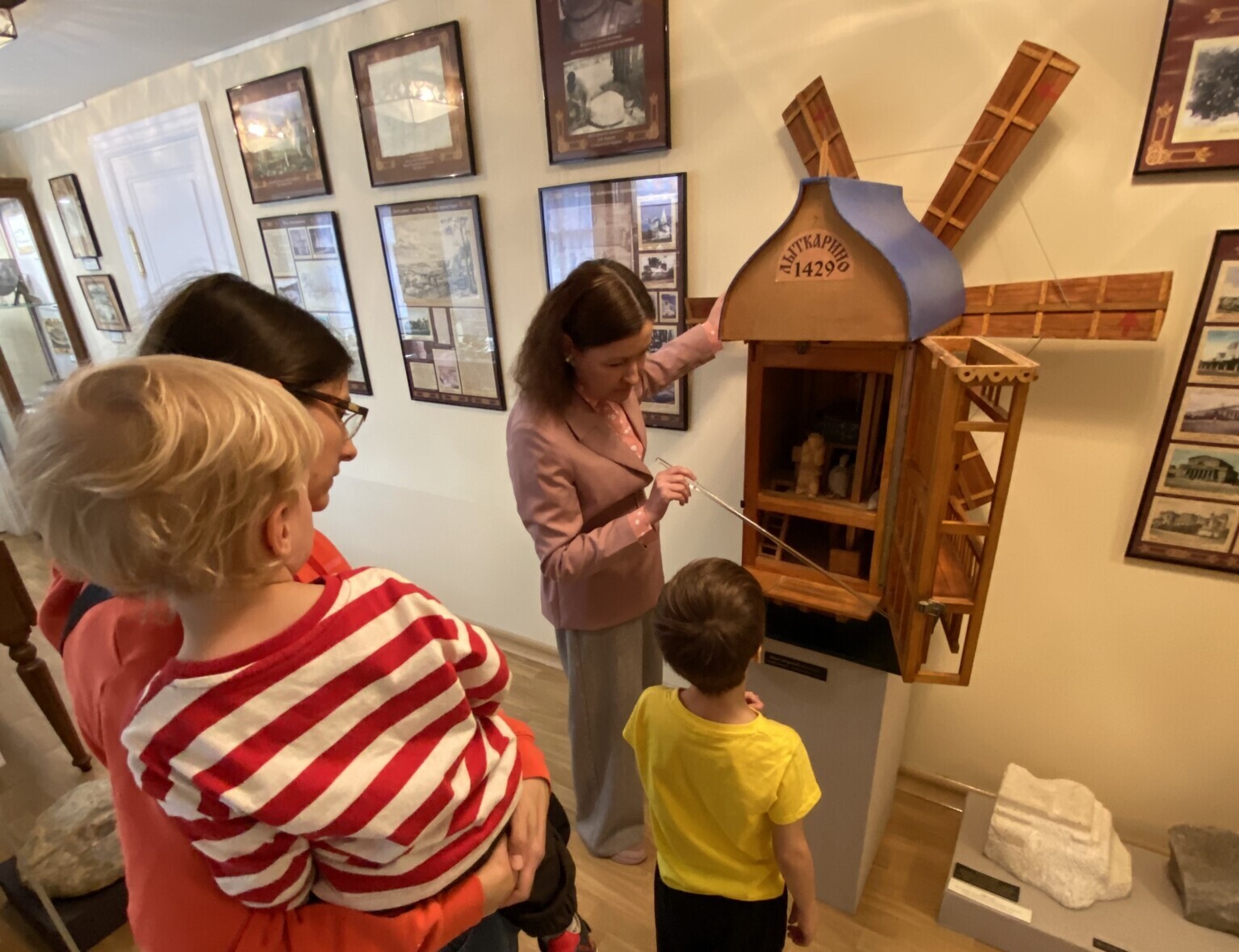
Local history museums are found in many cities across Russia. Thanks to their diverse collections and programs, this type of museum will be interesting for families with children. In this article I explain what to consider when visiting local history museums and share my personal experience.
How are local history museums organized?
As the name suggests, local history museums are devoted to the surrounding region: its nature, history, and culture. The first such museums appeared in Russia in the second half of the 19th century and became widespread after the October Revolution. It was then, in the first half of the 20th century, that the structure of the local history museum was formed and established. A local history museum usually has a section dedicated to the region's nature, with dioramas and taxidermy specimens, history halls covering prehistoric times to the present, a hall on the Great Patriotic War, and reconstructions of peasant and urban life. Collections in these museums include archaeological finds, paintings, furniture, applied arts, clothing, and weapons. They are interesting to people of all ages!
Today local history museums are going through a new stage of development related to equipment modernization, repairs, and exhibition updates. While retaining the overall approach to exhibition organization laid down in the Soviet era, museums are introducing new technologies and working methods. More personal stories are appearing, exhibition space design is becoming more attractive, and infrastructure is being updated. Despite external similarities, museums are acquiring their own unique characteristics.
What to consider when visiting local history museums if you are traveling with children?
Local history museums are rarely located in purpose-built museum buildings. More often they occupy former churches, manor houses, old schools, and sometimes even former kindergartens. All of this determines the possibilities and limitations of the space. You won't always find a spacious cloakroom, room for strollers (or access to the exhibition with a stroller), a cafe, and other familiar infrastructure for active travelers.
In small-town and village museums the staff may be small, which affects opening hours. The most reliable way is to check information the day before or on the day of your visit by phone.
Another nuance is the small number of explanatory texts, and sometimes their absence. In that case the best way to get acquainted with the museum is to book an overview tour. If you are certain you want to visit the museum in this way, it's better to arrange the booking in advance.
My recommendation is to look at the museum's website and social media group the day before your visit to get a general idea of the space and possibly identify specific exhibits/rooms to focus on.
Personal experience visiting local history museums: Lytkarino Museum
The Lytkarino Historical and Local History Museum is in the Moscow Region. I had long planned to visit it because my grandmother lived in the Lytkarino area during her evacuation from besieged Leningrad. For several years I followed the museum's life on social media, then I met a colleague who works there, and I waited for a convenient opportunity to go.
My sons, aged 2.5 and 6, are well used to museums, very active and curious. Knowing their abilities and interests, I realized that going alone was not the best option, so we went with a second adult who could help by taking care of one or both children at different times.
It is worth noting that the drive to the museum took about 40 minutes by car. That's not much by Moscow standards, but it still affects the group's overall condition. We also got caught in a heavy rain (which we had known about in advance), so the path from the parking lot to the museum turned into an entertaining puddle-jumping walk.

At the museum we were met by a colleague who was ready to give an overview tour. Realizing that this format wasn't quite right for us at the moment, I asked her to show us the main sections of the museum in a way that would interest the older child. We walked through the museum in about 20 minutes, after which the colleague conducted a workshop for the kids while I was able to walk through the exhibition again on my own.
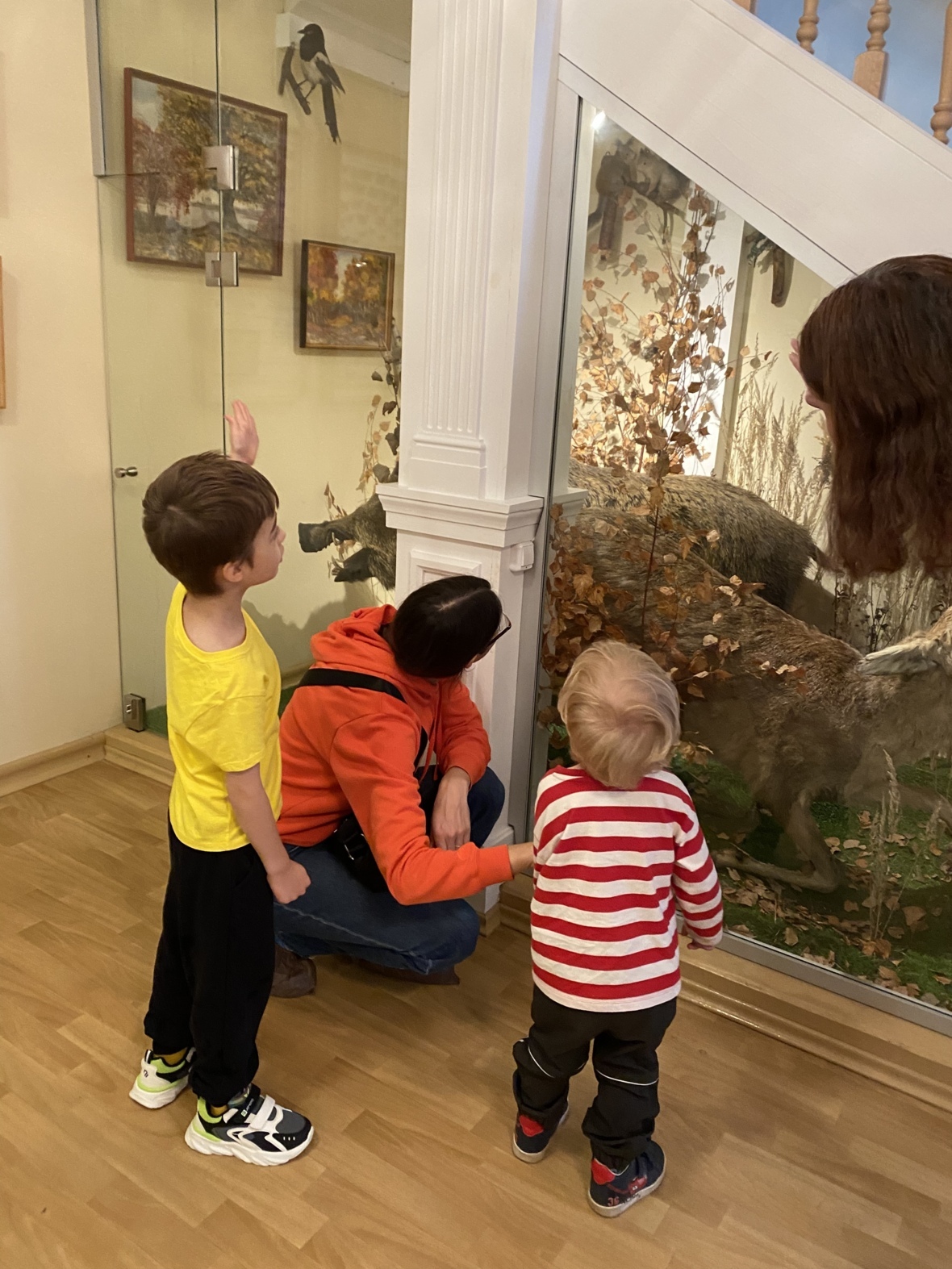
What especially interested the children:
1) a display case with taxidermy animals: we recalled their names and whether we had seen any of them at the zoo. This display particularly appealed to the younger son;
2) butterflies: here we remembered our trip to Kuskovo for the insects in art exhibition;
3) fossils and mammoth bones: this is currently one of the boys' main topics, so we recalled our visit to the Paleontological Museum and discussed the differences between mammoths and elephants;
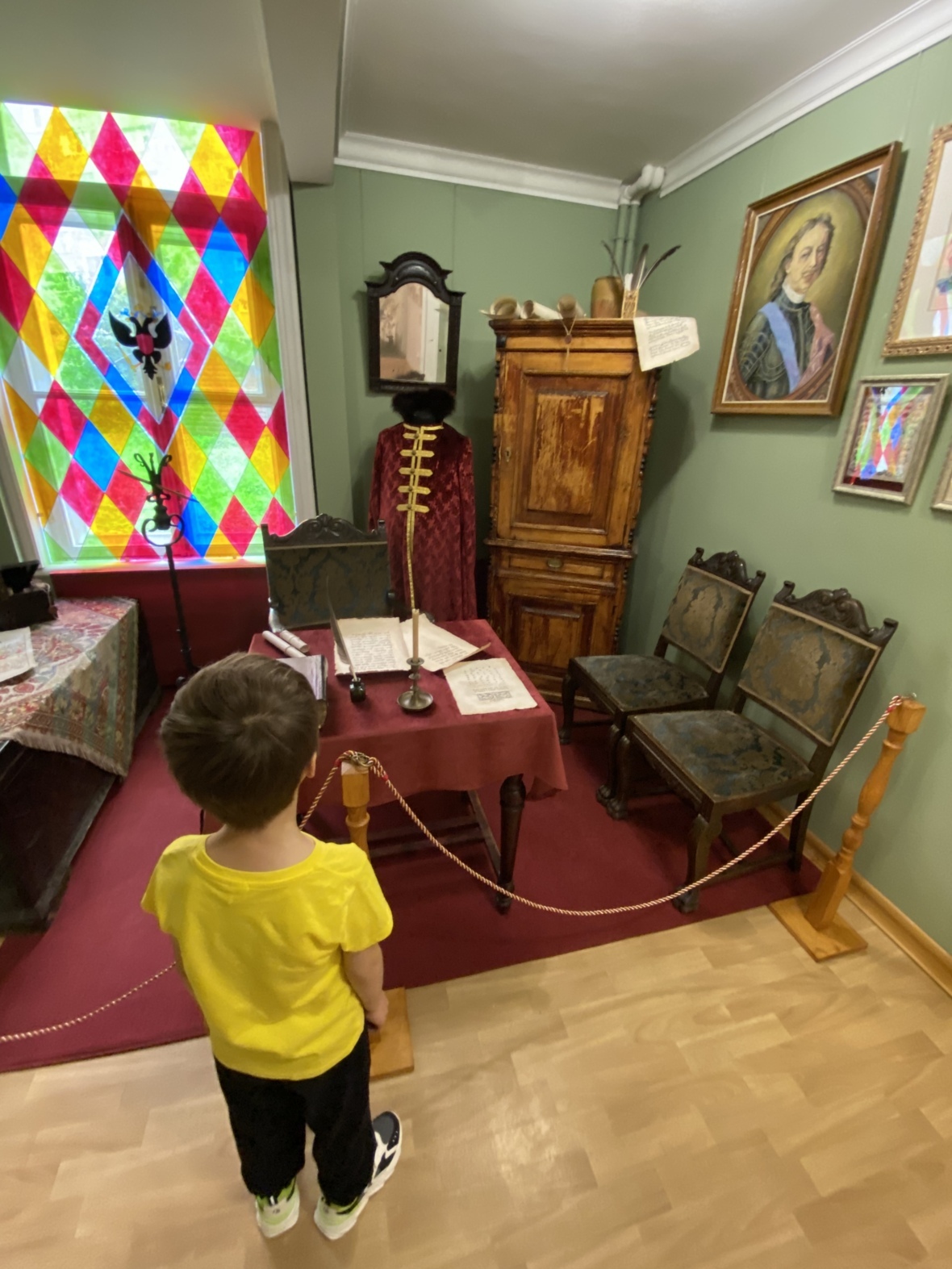
The interiors attracted less interest, although there were cool finds there too. For example, an image of a fish on a plate, and a game with cards printed with riddles about objects found in the hall.
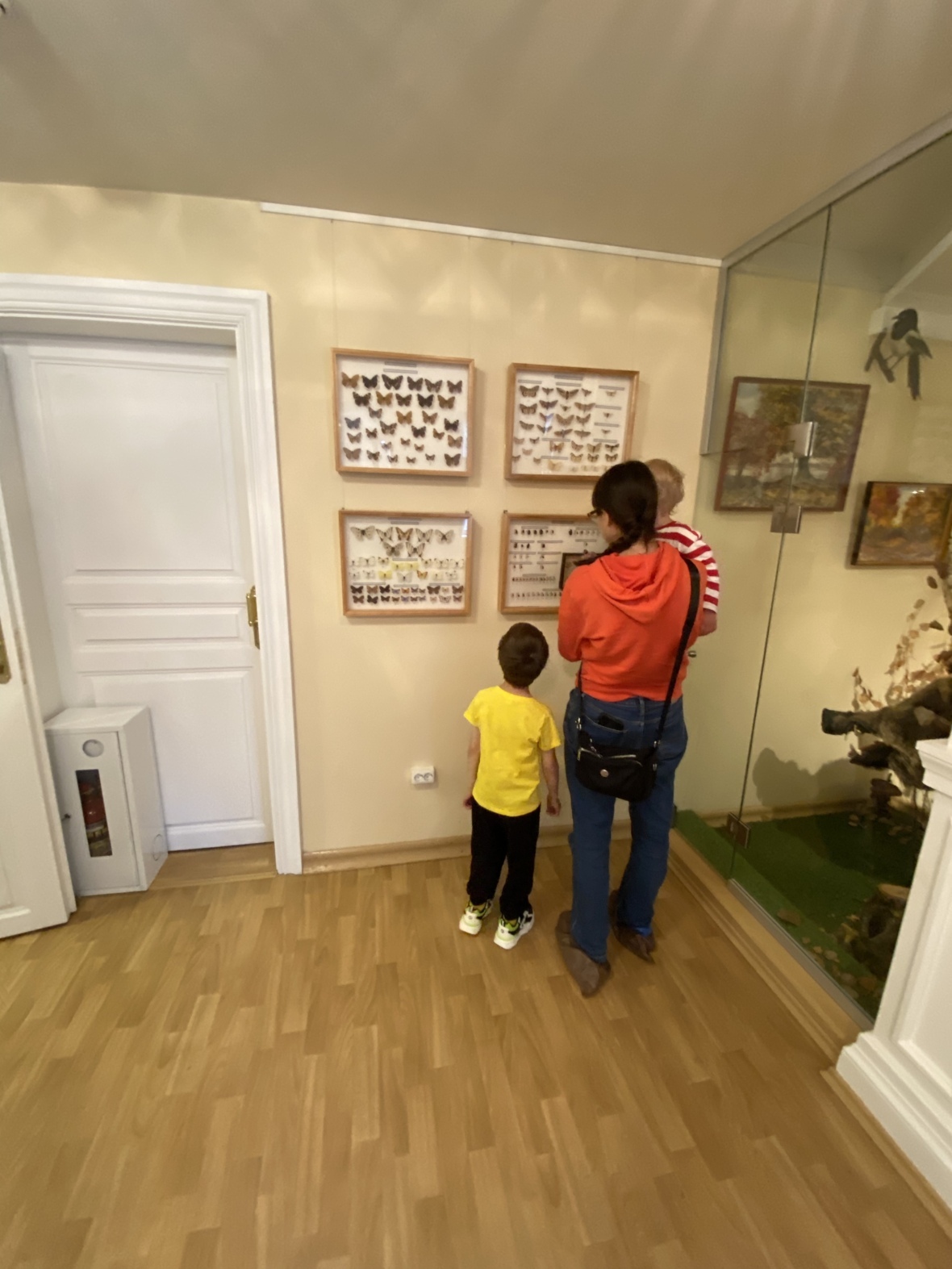
The workshop was great for redirecting the children's attention, allowing them to burn off some energy, and it gave me a 10-minute break and a chance to explore the museum on my own.
If you have active children, I recommend finding out about workshops at museums. These can be short 10–15 minute sessions during which the kids make crafts related thematically to the museum collection or subject.
Some conclusions
A local history museum is the kind of place you can return to again and again, discovering new exhibits and themes each time. Local history museums often have branches, as well as an extensive exhibition and events program.
When traveling around Russia, be sure to check whether there are such museums in the towns and other settlements along your route. I'm sure many exciting discoveries await you!