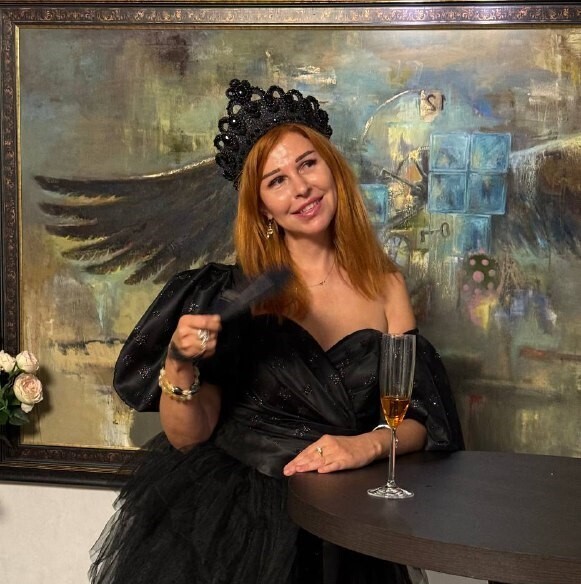
The heroine of our interview is the founder of the Museum of Pre‑Revolutionary Glamour — Svetlana Rykunova. We talked about her journey from international banking to collecting antiques and founding a museum, and about what makes the era of pre‑revolutionary glamour especially appealing to contemporary audiences.
Svetlana, tell us about your path to collecting: how did it all begin?
This is a lifelong journey. It’s about searching for and understanding yourself from within: what you truly like, what fascinates and drives you forward, about things that give you strength. About inner freedom and creativity. I was born and raised in central Moscow — on Petrovka Street. My father worked on Petrovka as a senior official, and my mother worked in a tailoring studio in Stoleshniki. We didn’t have a dacha, and my whole childhood was spent in the historic center of Moscow. With my parents and alone I walked many times along the route: Kuznetsky Most – Stoleshniki – Bolshaya Dmitrovka – Tverskaya – Petrovka – Neglinka. Back then it felt natural and familiar.
I clearly remember the rows of secondhand booksellers and peculiar artists on Kuznetsky Most. It was a special, mysterious world — a kind of secret of the intelligentsia that seemed known only to locals. I’ve always loved that neighborhood. But the most memorable evenings took place in the “old” apartments of my mother’s friends on Tverskaya. Whether it was the height of the ceilings or the scent of those apartments filled with exotic objects, I would get dizzy. Perhaps that’s when I first “caught” a love for old Moscow and everything antique.
My mother worked as an art mender in a studio not far from Tverskaya Street. I often waited for her at the finished-goods warehouse and could spend hours looking at rows of diverse clothes, piles of patterns, scraps, beads and beautiful colored threads.
In the evenings I loved listening to the radio. In those days every kitchen had a radio set. Outwardly it seemed unremarkable, and the sound sometimes crackled and hissed, but what amazing programs and radio plays it gave! Probably at that time I became an avid listener, passionately interested in history, literature and culture.
Then Perestroika suddenly came — and my life changed dramatically. The communal apartment where we lived with my parents was cleared out, and we moved to a large flat in a residential area. Later I graduated school and enrolled in the then-fashionable Plekhanov Institute. I didn’t really know what I wanted to become — I went there with a classmate. As often happens, she failed the exams and I passed. So I simply studied and tried to be a responsible student, and I graduated with honors.
Those were turbulent times, the “popovskie” years. There was no time to ponder — you had to quickly join adult life. So when I was offered an internship at a bank, and then to stay on as an employee, I agreed without hesitation. That’s how it all began. Over time the banks I worked for changed, while my positions and salaries grew.
I got married and had a daughter. Like everyone else. But over time a feeling of melancholy accumulated within that “happy life.” I desperately missed creativity, self‑expression and something real and authentic that could bring light and benefit to people! At first I tried to suppress it. Why do I need creativity and culture if my profession pays well?
The solution came unexpectedly. During my numerous business trips across Russia and the world I began collecting antique little things and rare old items from flea markets. It started with cameos, then jewelry and lorgnettes appeared — and the process took off. My relatives and friends were surprised and sometimes even critical, but I enjoyed it!
Over time my retro collection grew: figurines, small tables, consoles and other impractical objects appeared. My mother grumbled quietly, but I had no intention of stopping. However, the puzzle lacked an element, and sometimes I asked myself: what is my true calling? Or, as they say now, my purpose?
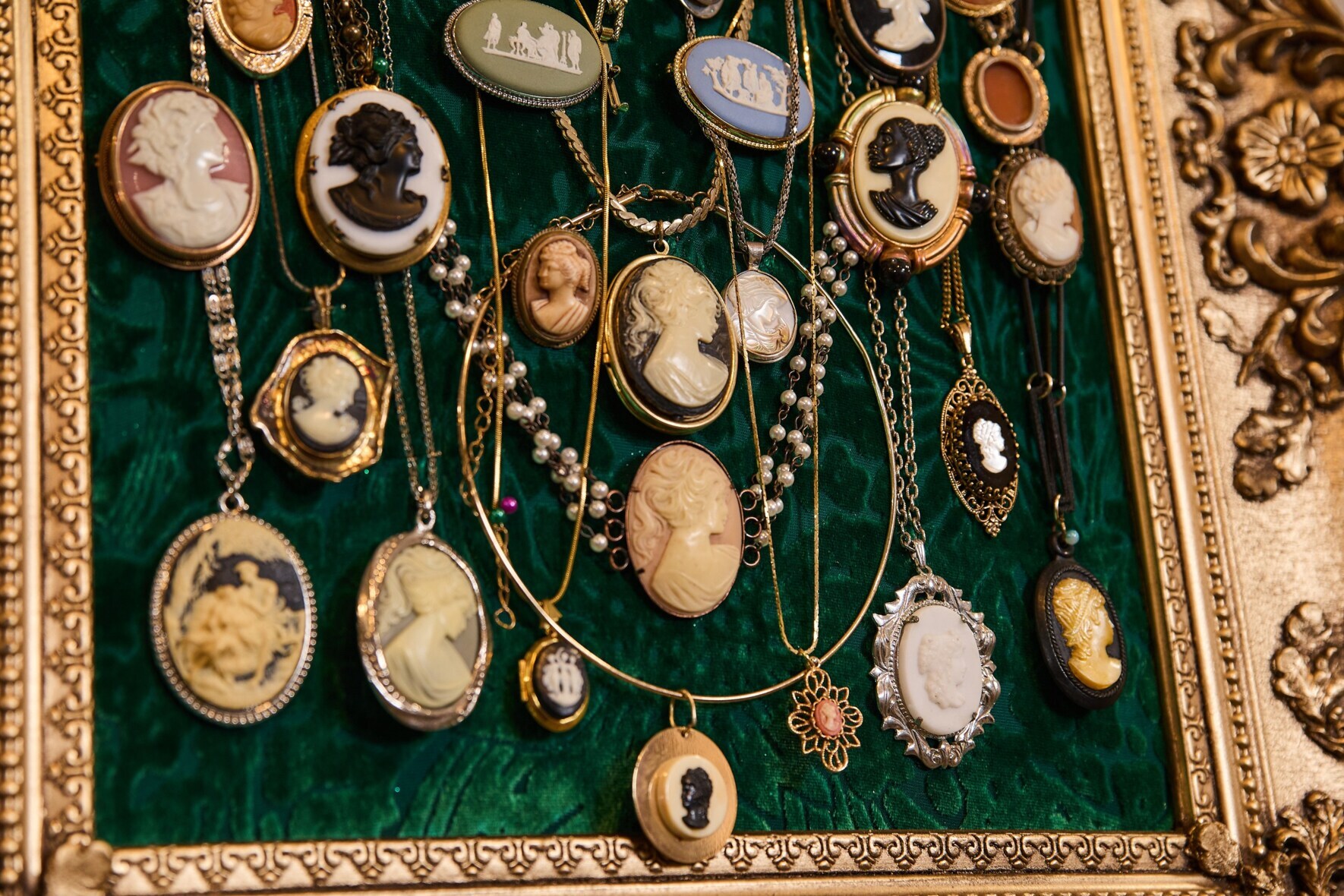
The Cameo Collection at the Museum of Pre‑Revolutionary Glamour
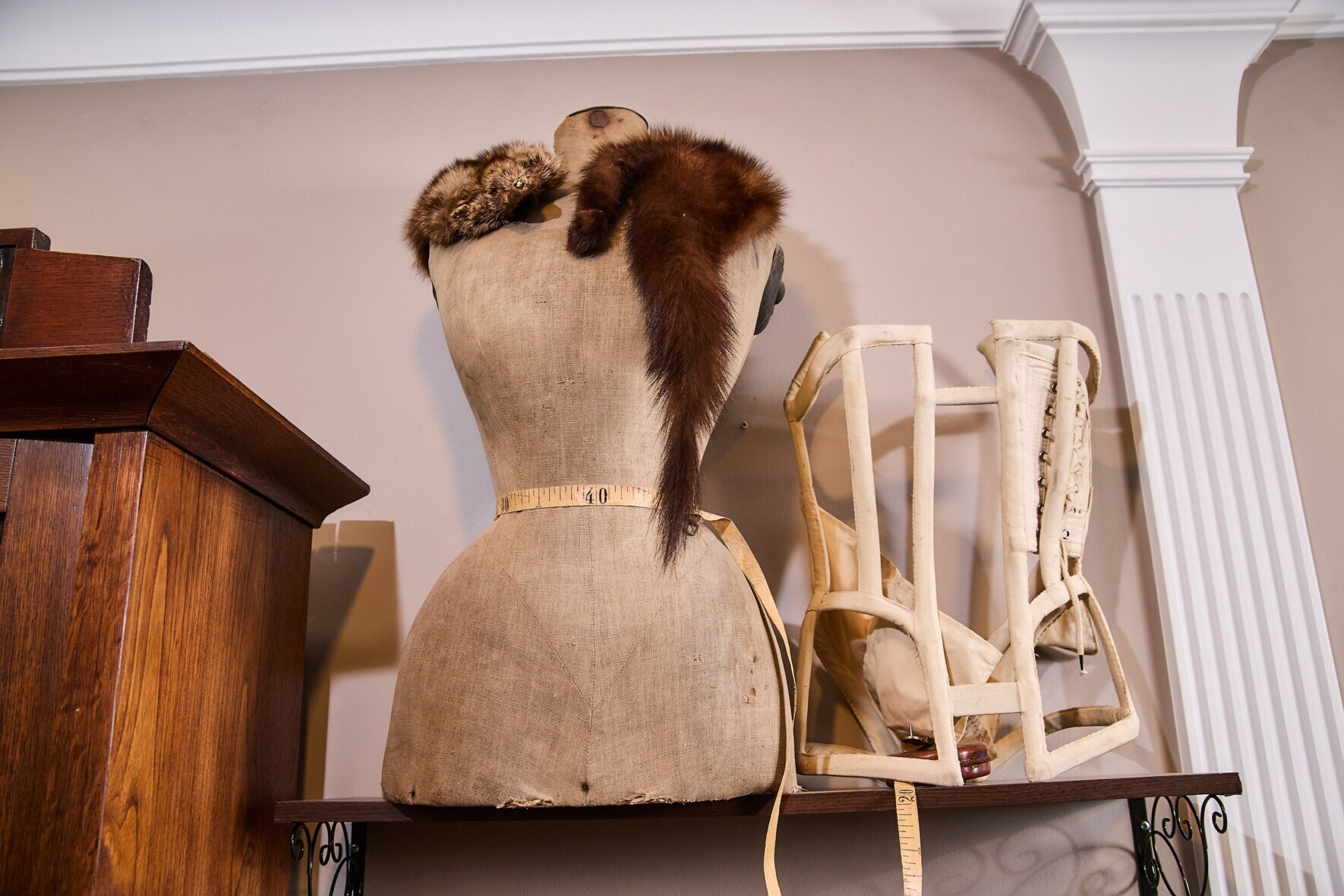
Exhibition of the Museum of Pre‑Revolutionary Glamour
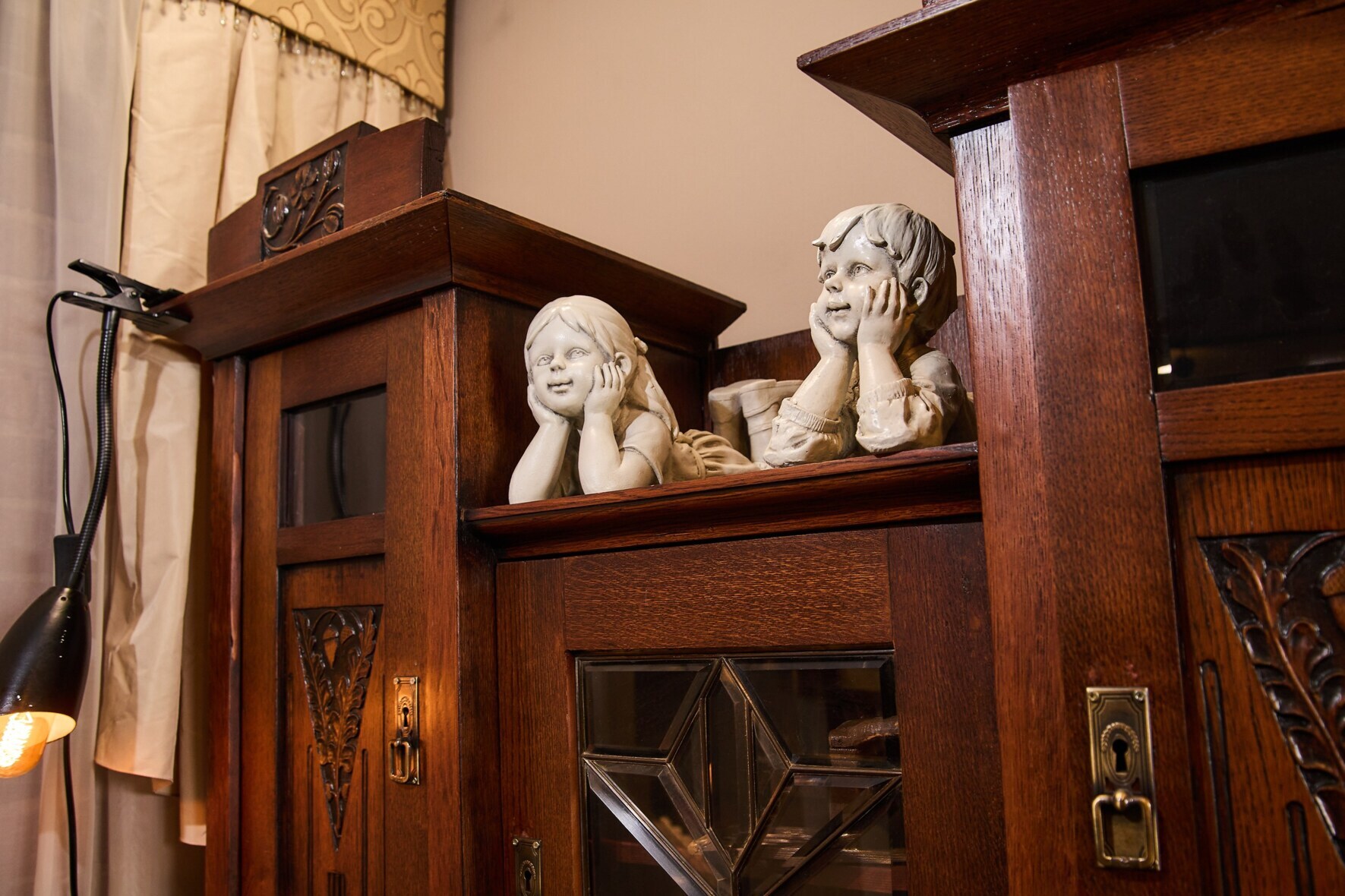
Exhibition of the Museum of Pre‑Revolutionary Glamour
You made the transition from international banking to founding a museum — what prompted you to change fields, and which professional skills proved useful when creating the museum?
The West’s sanctions altered the fates of many people — including mine. At that time I was working at a Turkish bank. One day my boss came to me and said that due to a new package of sanctions the company could no longer keep a Russian employee on staff. It was like a thunderbolt out of a clear sky! Yet I took the situation positively — as a sign from above. Fate finally gave me a chance to break out of the circle.
I decided to look inward and remember what I truly loved, what I breathed for. I don’t know how, but my iPhone guessed: it showed an ad for a tour guide training course at the school “Guide Through the Engineer’s Eyes.” I thought: “I won’t become a guide, of course, but I’ll learn a lot of interesting cultural things — I’ll distract myself among smart people!”
The training became pure inspiration. The most enjoyable moment was preparing and writing the final qualification paper! I pondered the topic for a long time and ultimately chose it considering two factors: the availability of premises in this area and my financial experience. My graduation tour was called “Old Money in the Architecture of Kuznetsky Most.” The idea of a museum dedicated to the pre‑revolutionary era had lived in me for a long time — and over time I realized I had all the tools to bring it to life.
How did it happen? It’s simple. I listened to guides on Kuznetsky Most — and each of them repeated: Kuznetsky was a fashion center, the most expensive street in pre‑revolutionary Moscow. But you couldn’t feel it: you cannot touch the past. Then I thought: what if my collection became a door into that era? So that everyone could feel the rustle of ball gowns, try on a top hat or look through a monocle — and truly immerse themselves in the past.
It was a shift from working with numbers to working with meanings. At some point I realized that the stories frozen in old objects moved me far more than stock charts. Strangely enough, my banking experience was not just useful — it became the foundation.
Creating a museum is a complex project, and skills from my previous life became its basis:
• financial planning allowed me to turn a dream into reality;
• strategic thinking helped create a unique concept that stimulates the imagination and encourages visitors to explore the ethics, morals and manners of Belle Époque aristocratic society;
• negotiation skills helped gather a team and find partners.
In essence, I built the museum as a business project with a special mission: instead of financial profit we invest in popularizing Russia’s history, create cultural value and give our guests unforgettable emotions.
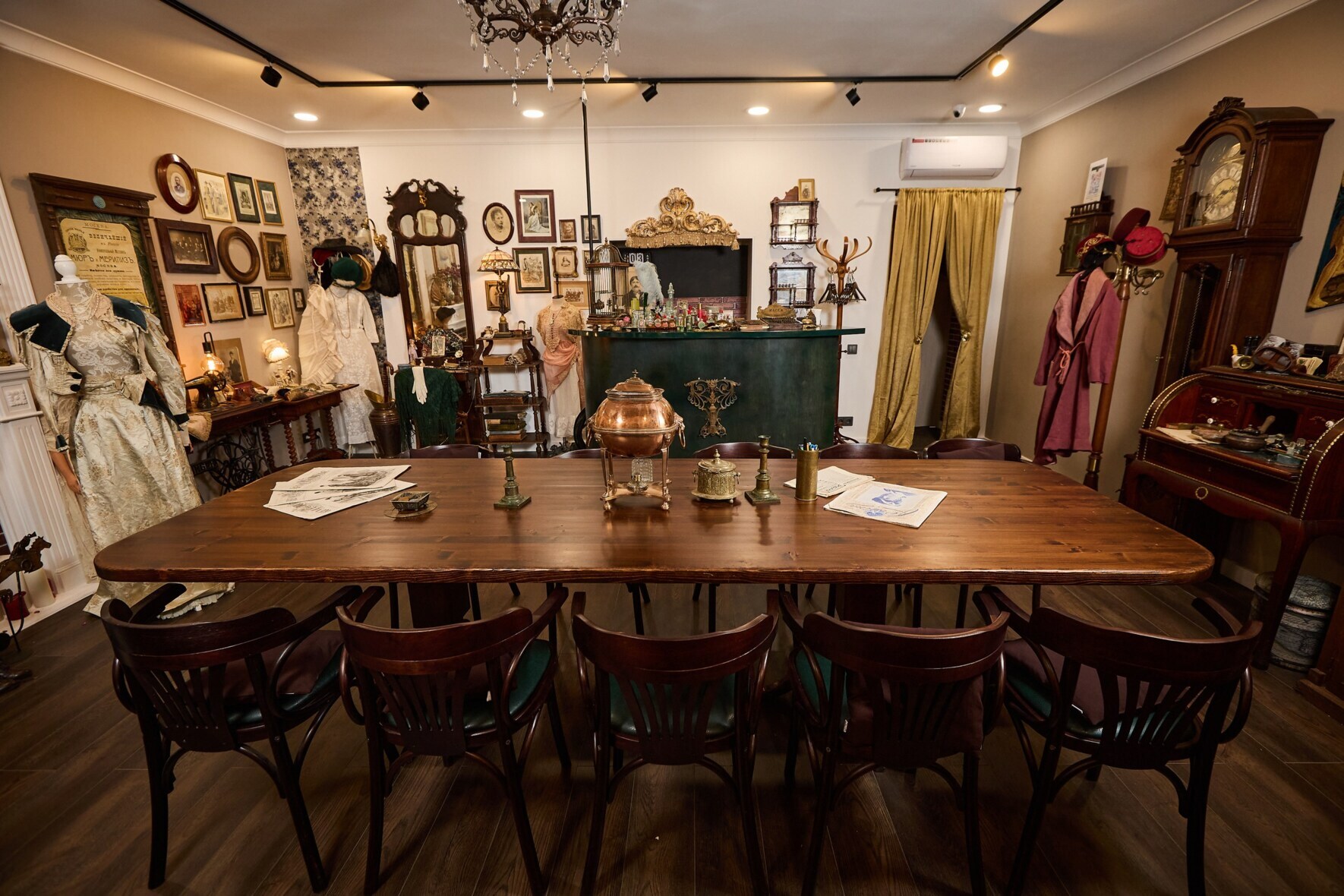
Exhibition of the Museum of Pre‑Revolutionary Glamour
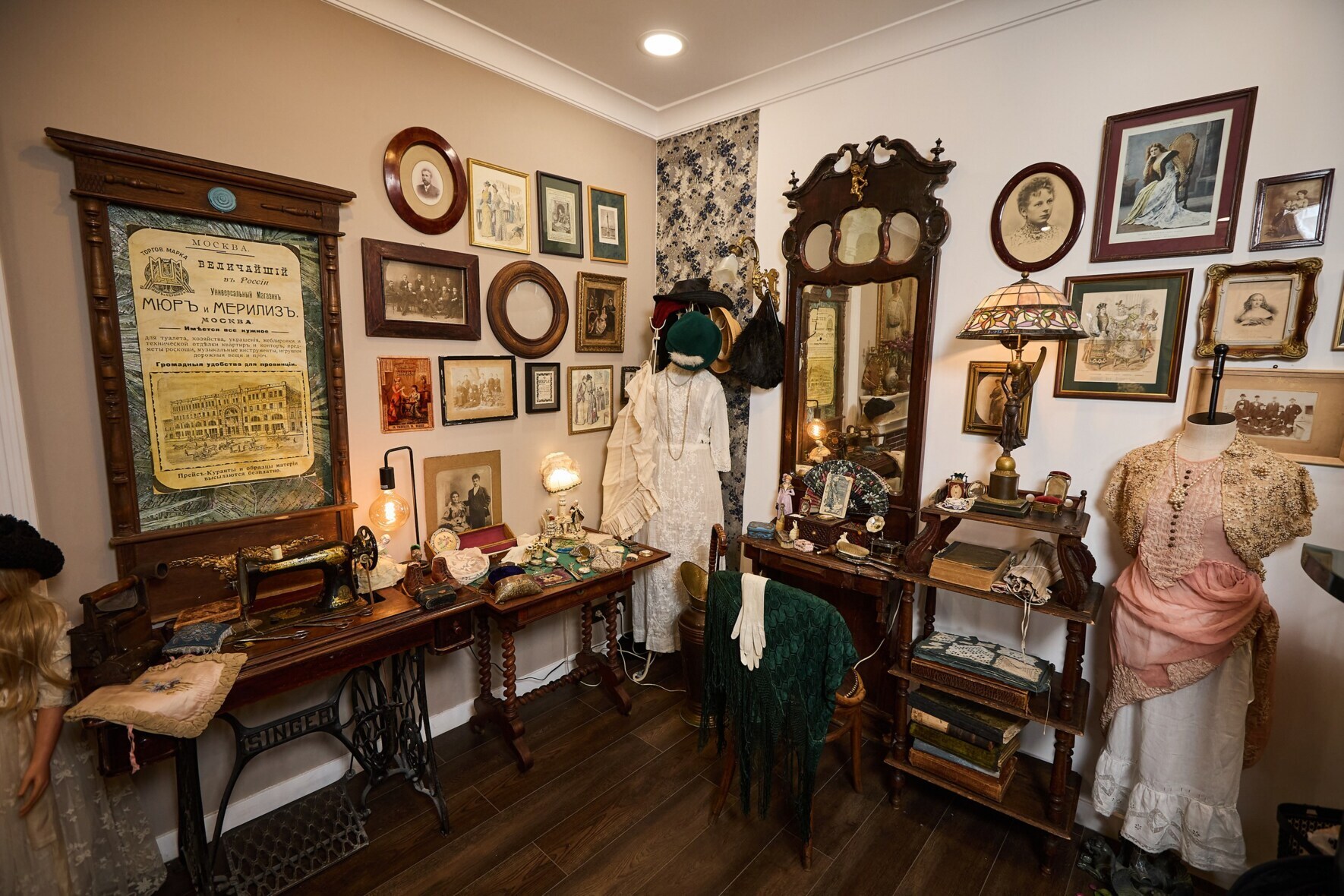
Exhibition of the Museum of Pre‑Revolutionary Glamour
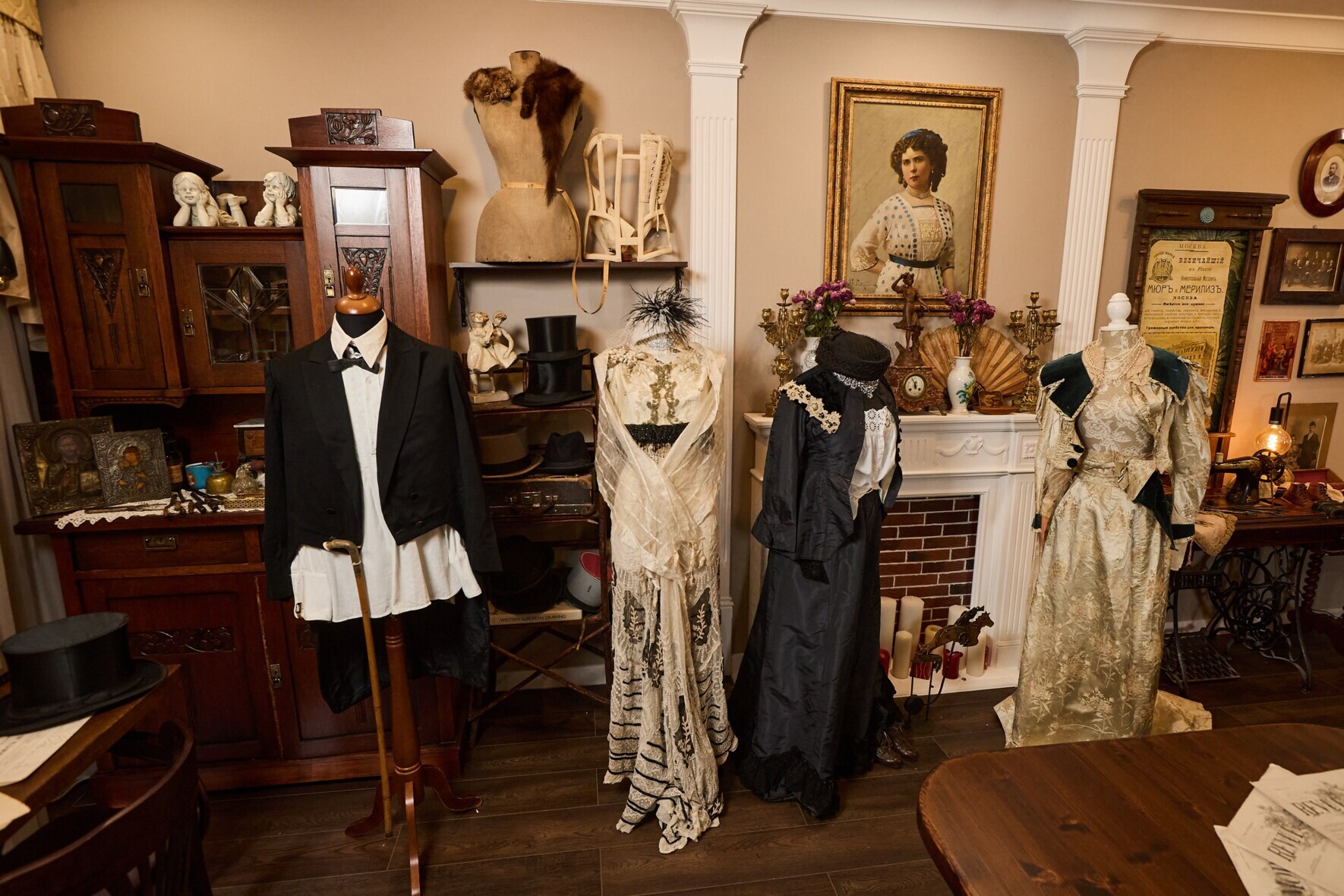
Exhibition of the Museum of Pre‑Revolutionary Glamour
In your view, what makes the era of pre‑revolutionary glamour particularly alluring to contemporary viewers?
We live in an era of digital, ephemeral glamour. In the age of social media status is measured by likes and beauty by filters. Against this lightness and transience we feel a subconscious longing for authenticity. Pre‑revolutionary glamour was material, tangible and… dangerous. It was a world where beauty demanded sacrifices — from a tightly laced corset to a drop of arsenic for aristocratic pallor. Where reputation was built over years and could be ruined by a single wrong flick of a fan. Where every outing was a strategic operation and every piece of jewelry a statement.
Modern viewers are drawn not only to the aesthetics. They are drawn to the drama, the high stakes, and the feeling that behind each object there is something greater: fate, capital, love or tragedy. We are tired of the disposable; we seek the eternal. And we find it in this fragile, yet so real “Mirror of the Age.” Pre‑revolutionary glamour is not just fashion — it’s a whole universe of meanings where every accessory was a code and every gesture a signal.
For a contemporary person weary of digital noise, it is incredibly interesting to touch an era where status was defined not only by a bank balance but by royal composure and skill in social play, where a top hat could cost more than a year’s salary, and a single glance over a fan could decide the fate of a deal.
It was a world where money was not only a means but a theater, where each participant played a role and intrigues and passions simmered beneath silk and diamonds. Today we seek meanings and rituals that make life deeper — and that is exactly what the Belle Époque gives us.
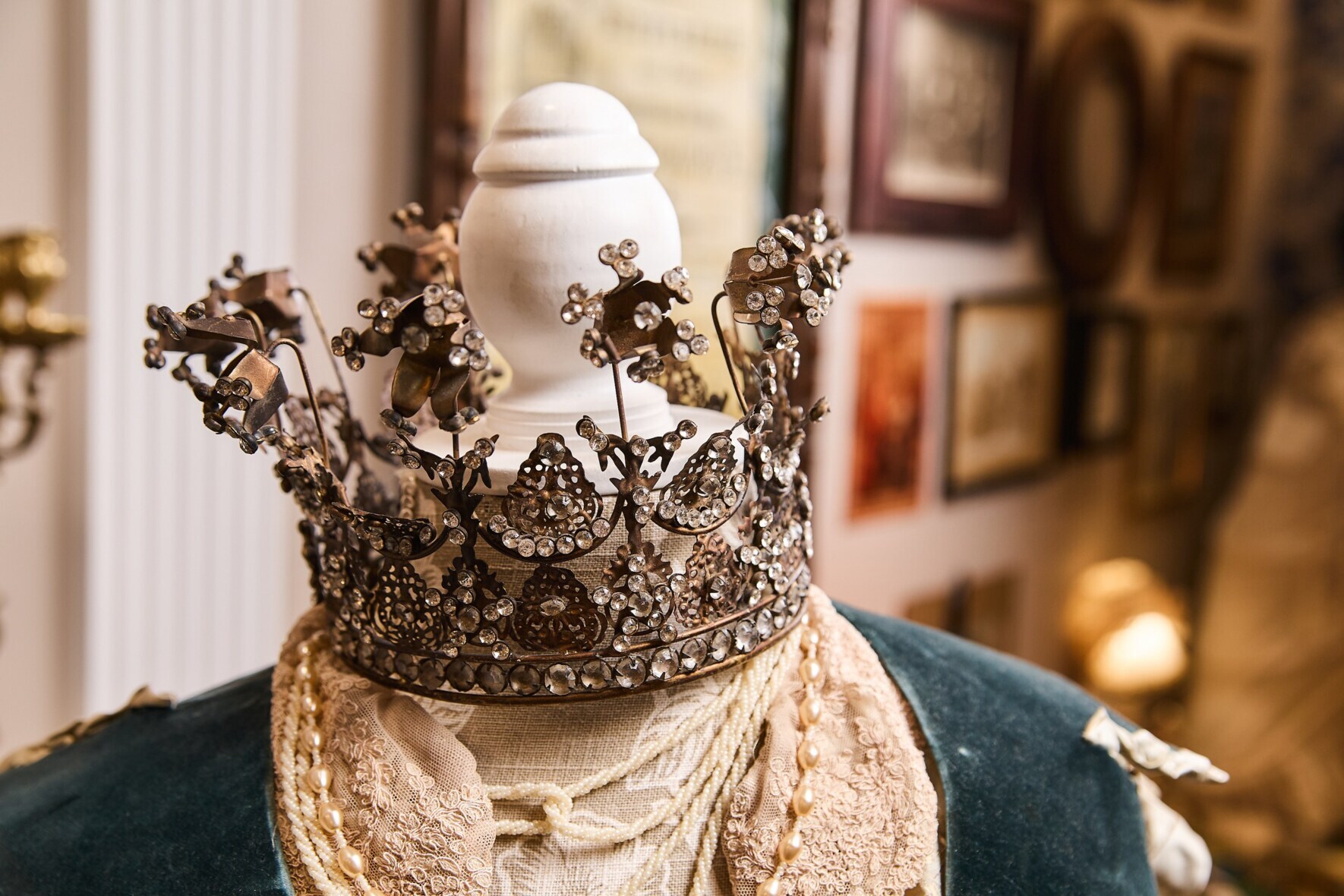
Exhibition of the Museum of Pre‑Revolutionary Glamour
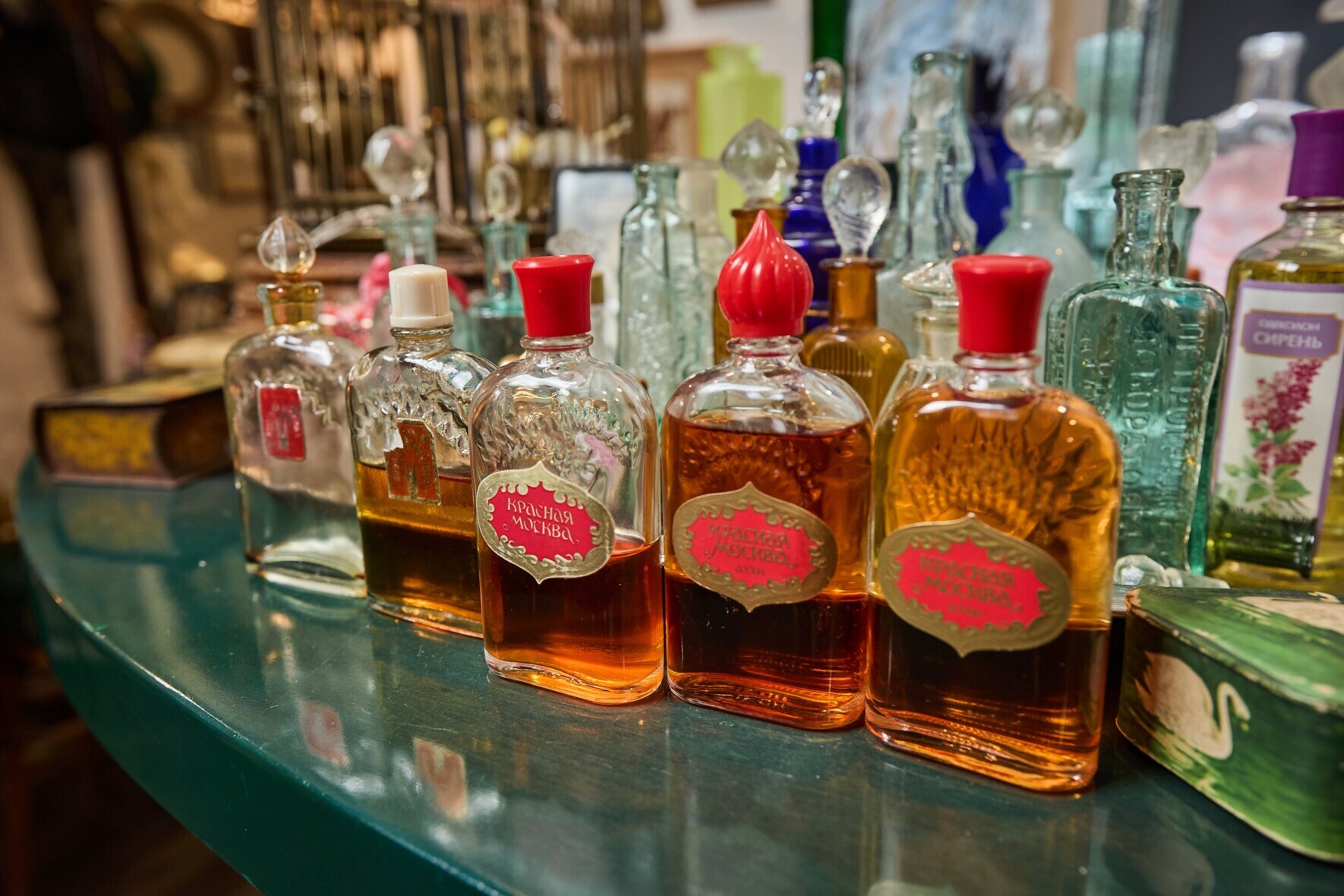
Exhibition of the Museum of Pre‑Revolutionary Glamour
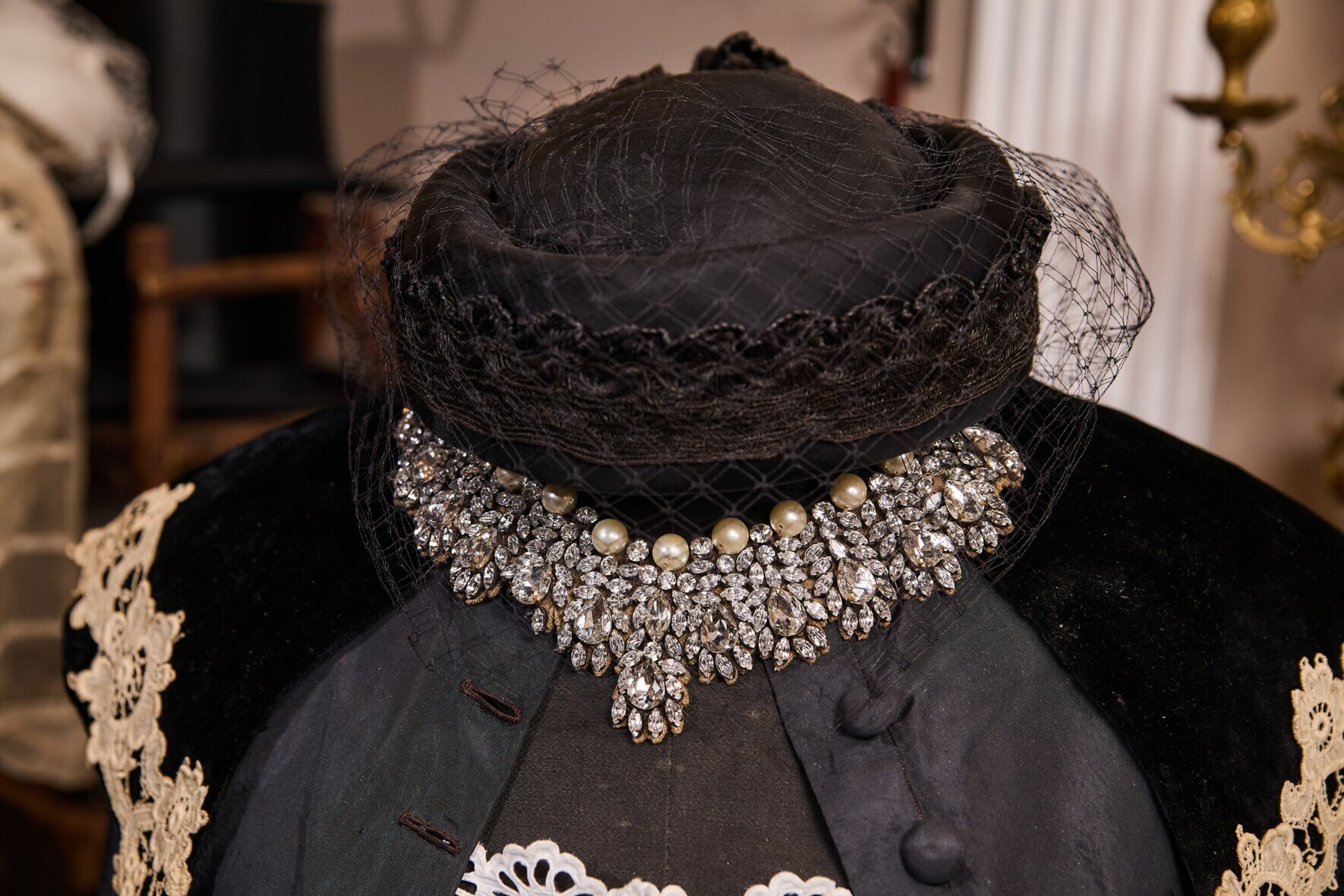
Exhibition of the Museum of Pre‑Revolutionary Glamour
How is the museum’s collection acquired?
The museum is my beloved collection gathered from around the world. Each exhibit has its own story and memories:
• a friend sometimes points me to where to go;
• sometimes I find a rarity at auction;
• a colleague may offer or pass down a family heirloom;
• and sometimes kind people bring artifacts via social networks so they can be preserved for descendants.
I value this greatly because it’s not just about things but about an exchange of energy, memory and the desire to do good and inscribe one’s name in history. Every item passes through my hands, and I always look for not only beauty but the history, the mystery of time that it preserves.
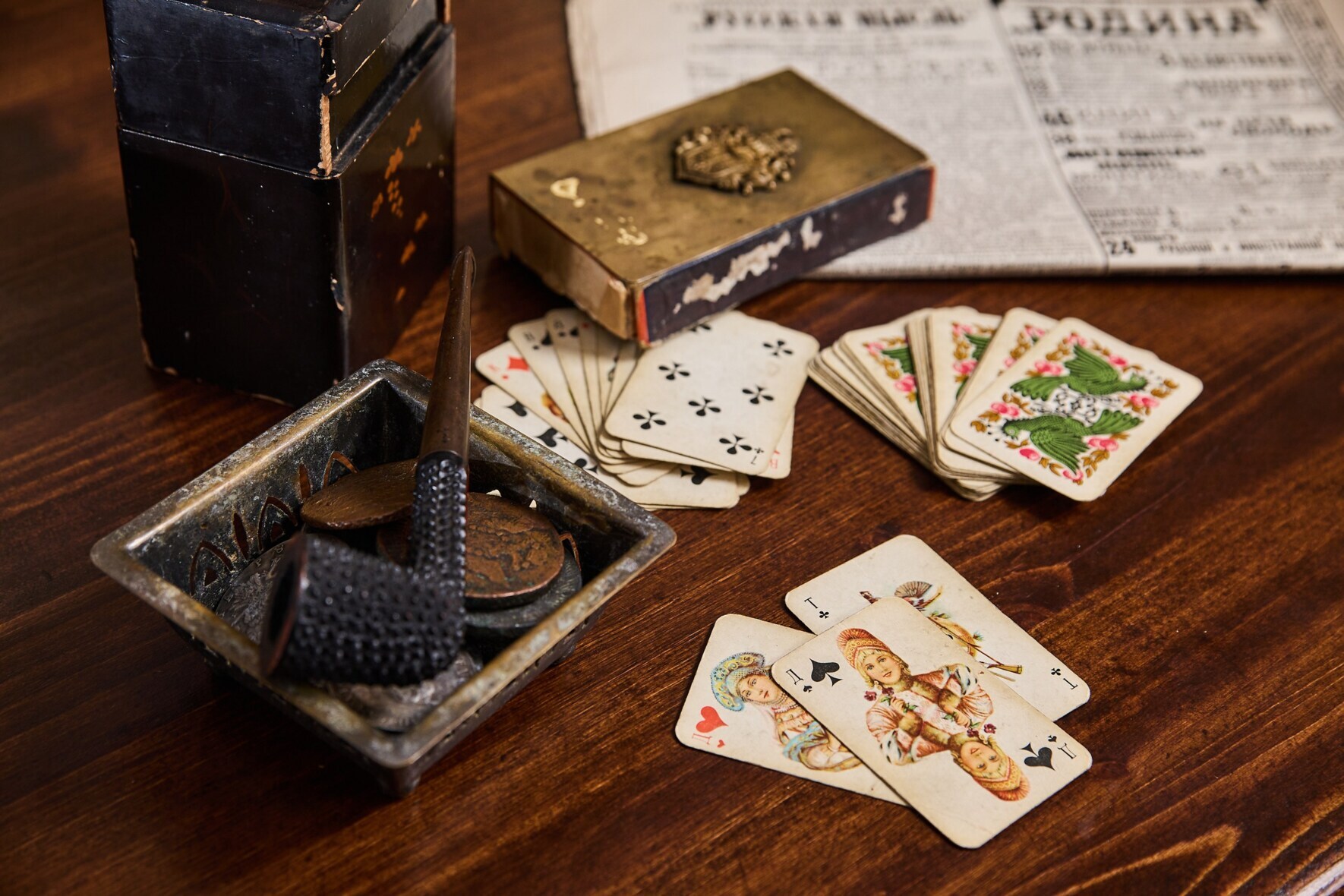
Exhibition of the Museum of Pre‑Revolutionary Glamour
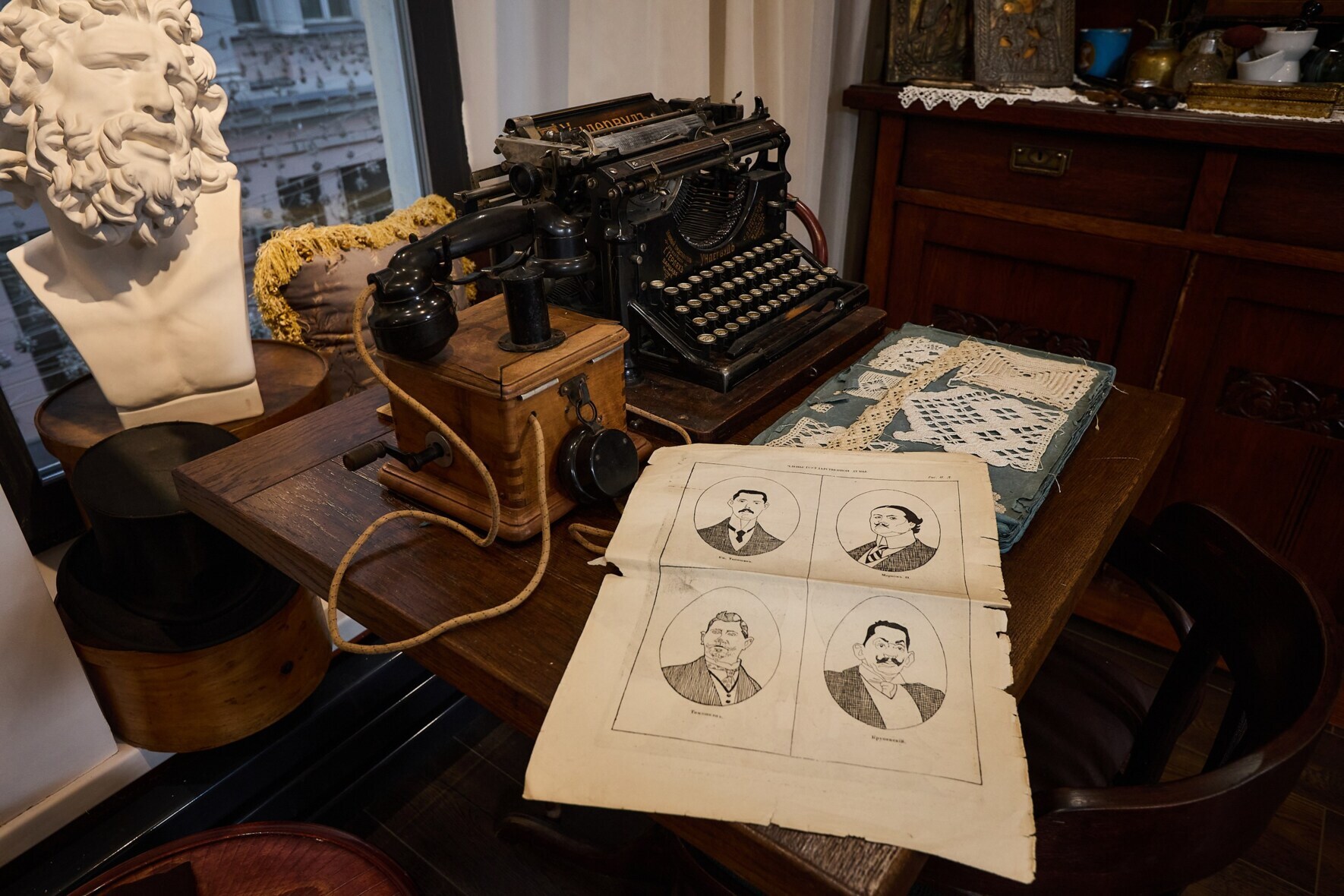
Exhibition of the Museum of Pre‑Revolutionary Glamour
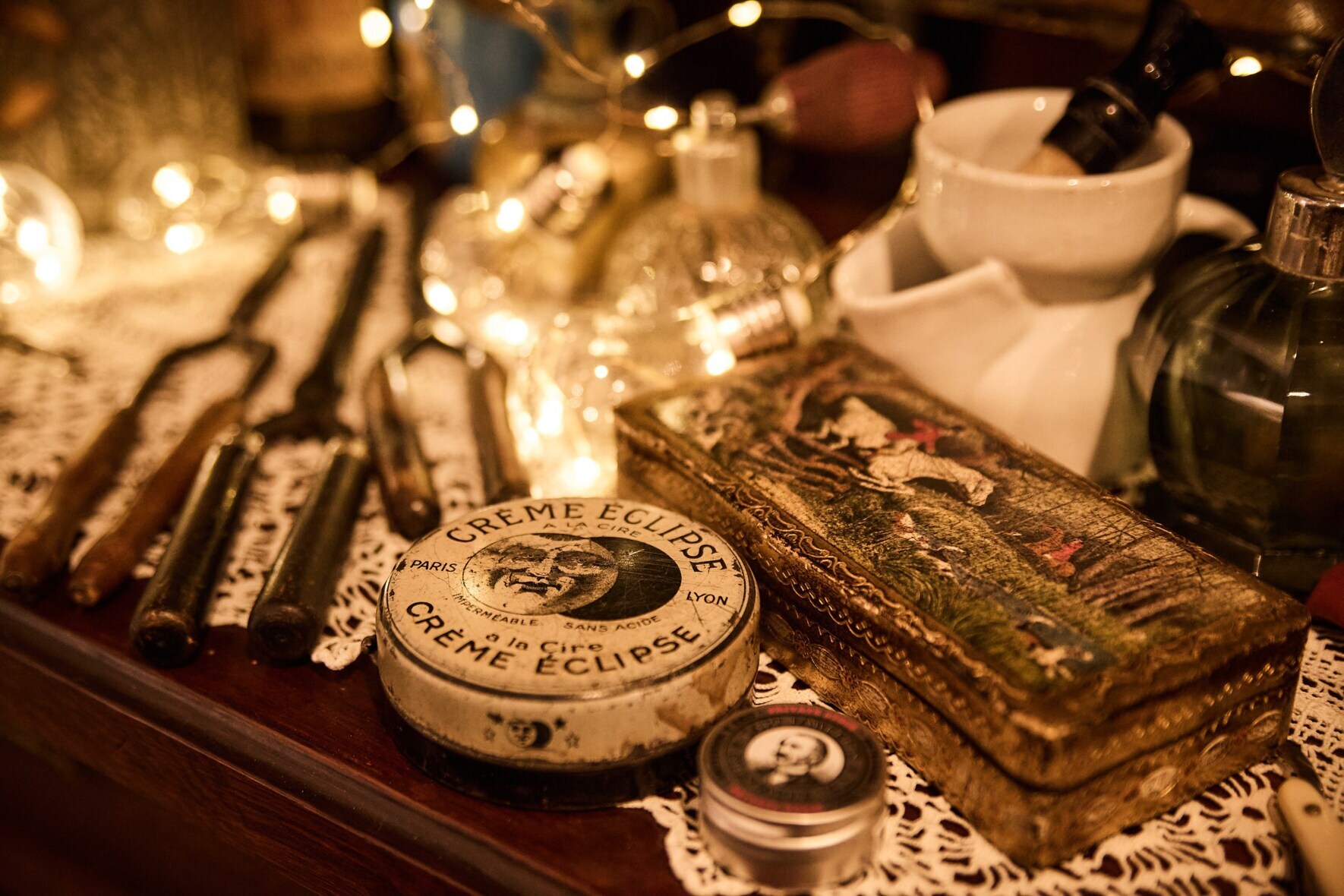
Exhibition of the Museum of Pre‑Revolutionary Glamour
What guided tours and programs does the museum offer?
• “Dramatic Secrets of Russian Glamour: immersion into the fashion and style of the 19th century” — the main tour.
• “The Brotherhood of the Pre‑Raphaelites. The Slandered Green Fairy: the rise, fall and revival of absinthe (the bohemians’ drink).”
• “Kuznetsky Most: the place where money went mad. How to develop the ability to attract money by changing your financial mindset.” Stories of magnates and bankers who transformed Moscow: how their financial thinking works today.
I am particularly proud of our financial breakfasts on Thursdays — they show how lessons from the past help to earn today. For example: “Bonds: from the Poliakoff empire to the app on your phone.”
In development:
• “Parisian debts of Moscow shopkeepers: how Russian ladies ruined their husbands on Kuznetsky Most.” Stories of million‑rouble spending, fake bills and secret lover milliners.
• “Bankruptcy in velvet: how aristocrats concealed ruin. The art of appearing rich with empty pockets — tricks and ploys.”
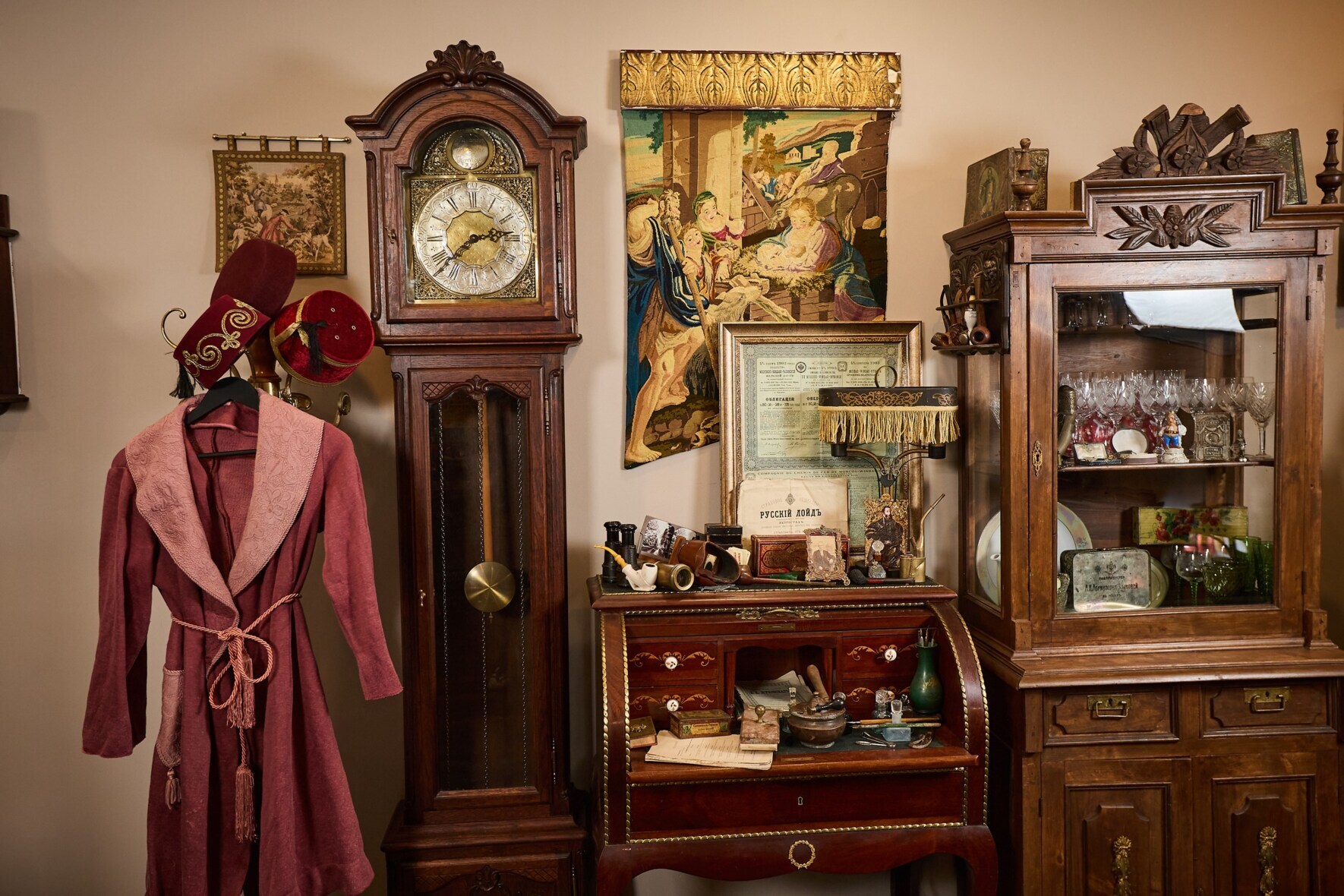
Exhibition of the Museum of Pre‑Revolutionary Glamour
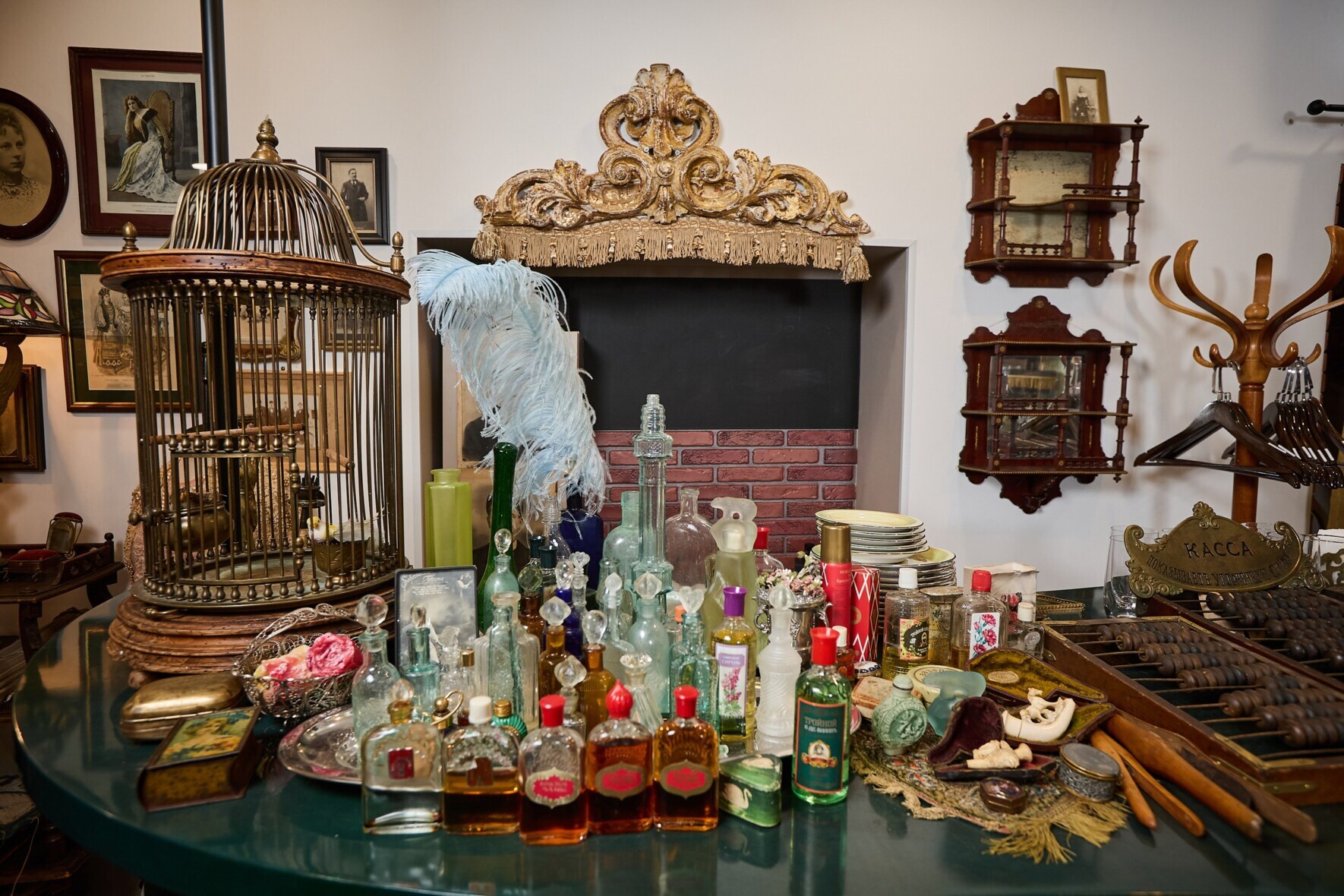
Exhibition of the Museum of Pre‑Revolutionary Glamour
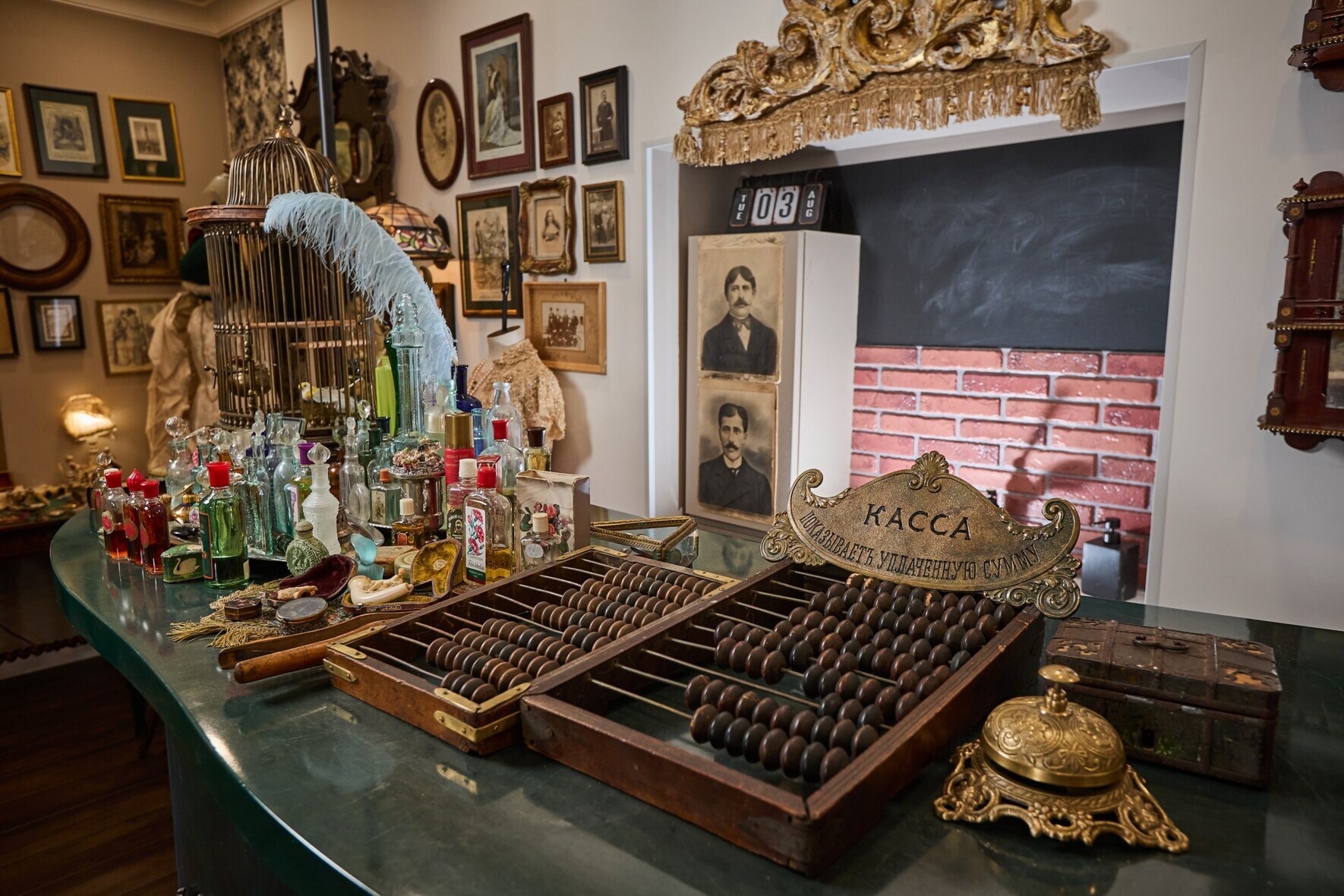
Exhibition of the Museum of Pre‑Revolutionary Glamour
What are the long‑term plans for the “Mirror of the Age” museum?
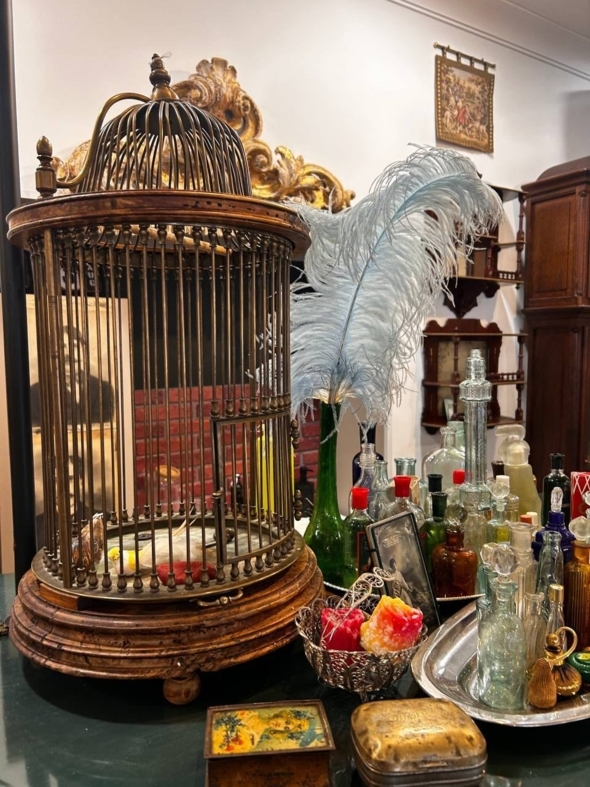
The Museum of Pre‑Revolutionary Glamour is a time machine to Moscow from 1812 to 1917 with authentic exhibits from the era known as the Belle Époque: genuine crinolines, ball gowns that are 200 years old, collapsible top hats, canes, corsets, bohemian lorgnettes and monocles, perfume bottles and scents by Rallet, Brocard and hundreds of other rare items.
The mission of our project is to create a community around the museum that shares cultural values. Through live discussions we touch on a wide range of topics: from literature, fashion, everyday life and aesthetics in an atmosphere of genuine antiques to reflecting on future prospects through the lens of historical experience. The lecture series of the Russian Circle “Mirror of the Age” brings together historians, art historians, collectors and everyone who cherishes the values of antique culture.