Sign up
You have successfully registered, a confirmation email has been sent to the email address you provided.

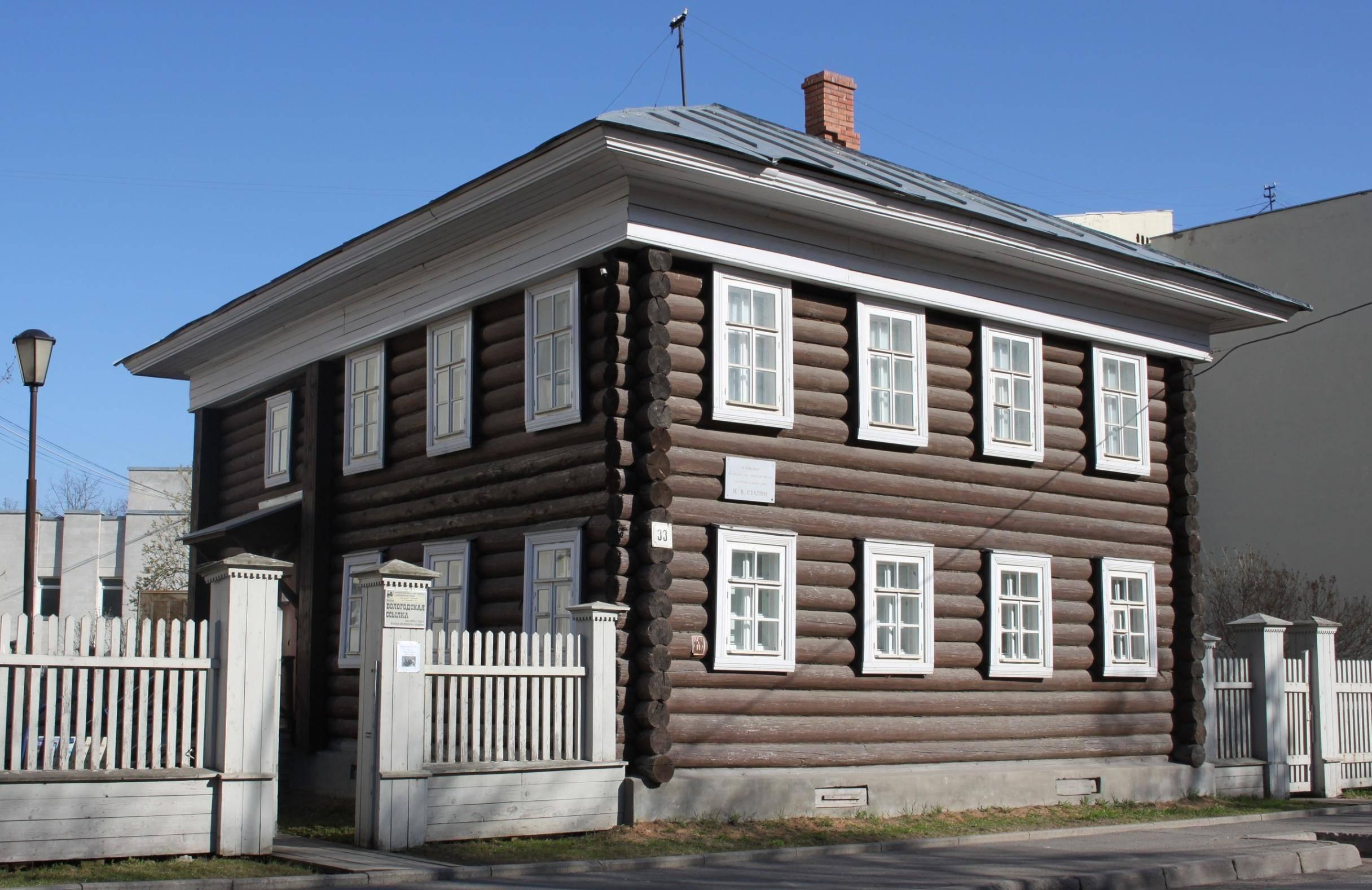
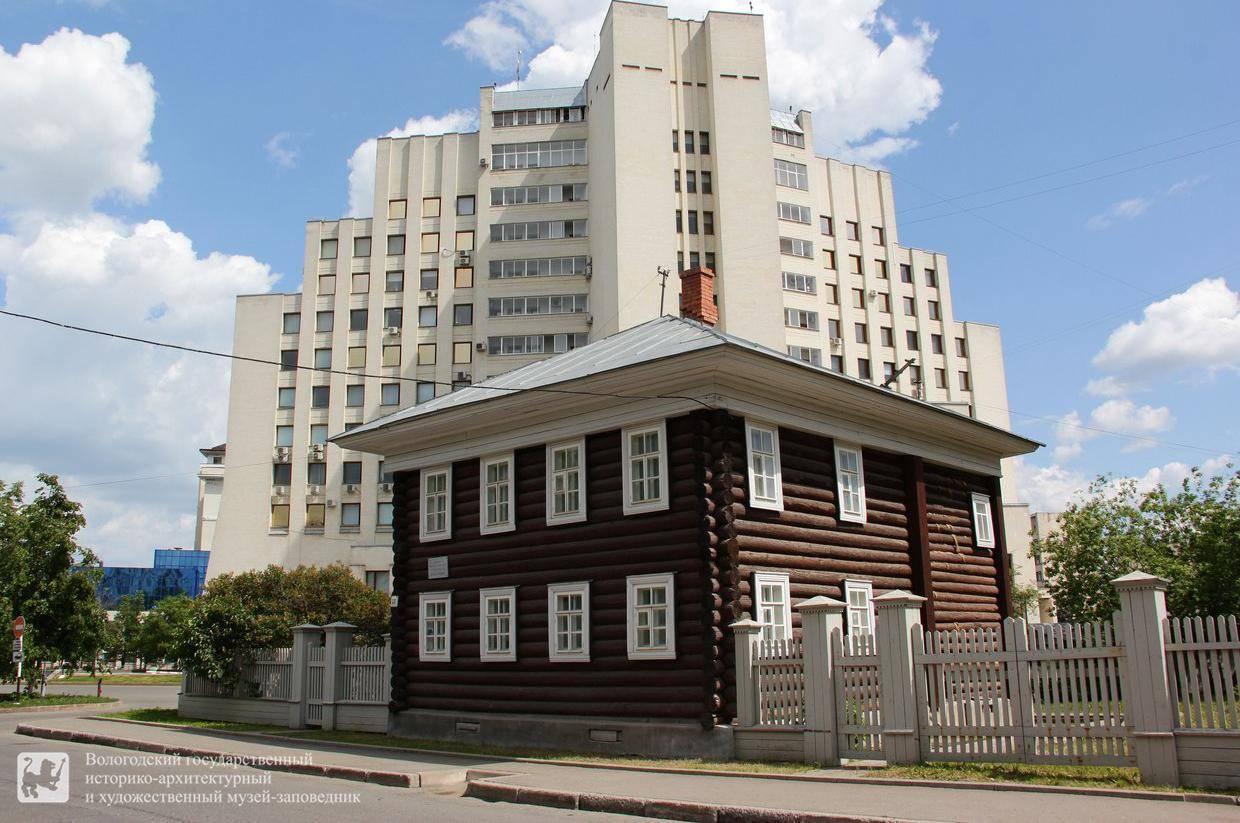
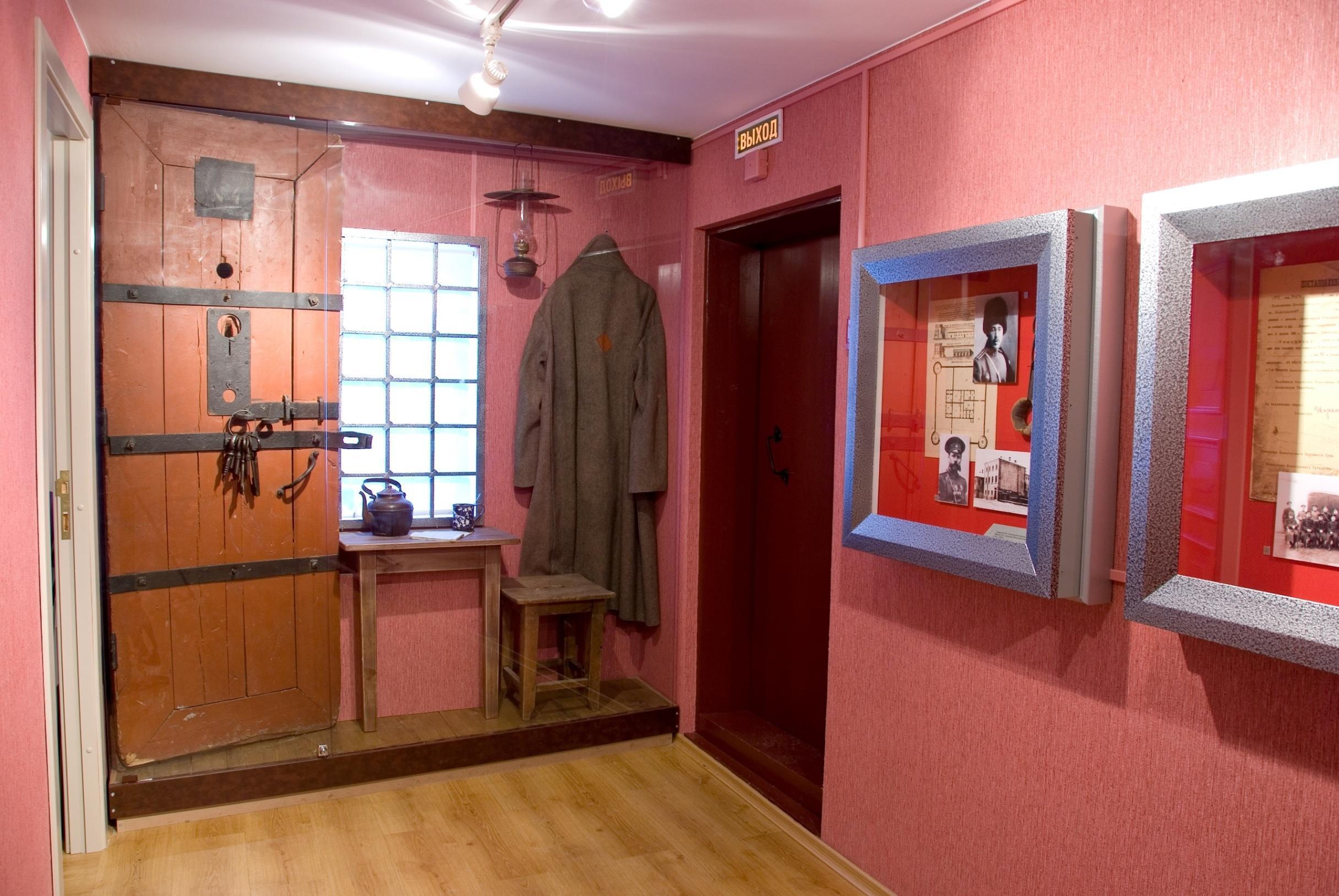
The Vologda exile has its origins in the 15th century, when Grand Prince Vasily II the Dark was sent into exile in Vologda after suffering a temporary defeat in the struggle for the grand princely throne. Subsequently Tsars Ivan III and Ivan IV (the Terrible) exiled political and military opponents here, and the tradition was continued by the Romanov dynasty. The Vologda region became a place of confinement for many prominent church figures, such as Patriarch Nikon, and for courtiers who had lost out in palace intrigues. The number of exiles began to grow rapidly in the post-reform era; almost all revolutionary movements and groups sent people to this region. First the narodniks (N. Shelgunov, P. Lavrov, G. Lopatin and others), and later the Social-Democratic wing of the Russian revolutionary movement. From the beginning of the 20th century political exile to Vologda Governorate took on a mass character. By early 1903, about 60 people in Vologda alone were under open police surveillance, among them V. Lunacharsky, B. Savinkov, A. Bogdanov, N. Berdyaev and others. Part of the museum's exhibition consists of documents and photographs on the activities of law enforcement agencies and the methods of revolutionary struggle at the turn of the century, while part is devoted to documents about the exiles themselves. You can see archival photographs, documents, excerpts from protocols and reports that tell about the lives of political exiles. You can feel the spirit of pre-revolutionary Vologda by looking at a huge photographic panorama of the city from 1900; here you can also peek into the little room of the exile Dzhugashvili, which he rented from December 1911 to February 1912 from the family of retired gendarme Korpusov for 3 rubles, open the gendarme files on the exiles, walk under the starry sky, see a real 'underground printing press' and an authentic prisoner's smock with the legendary 'diamond ace' on the back.
