Sign up
You have successfully registered, a confirmation email has been sent to the email address you provided.


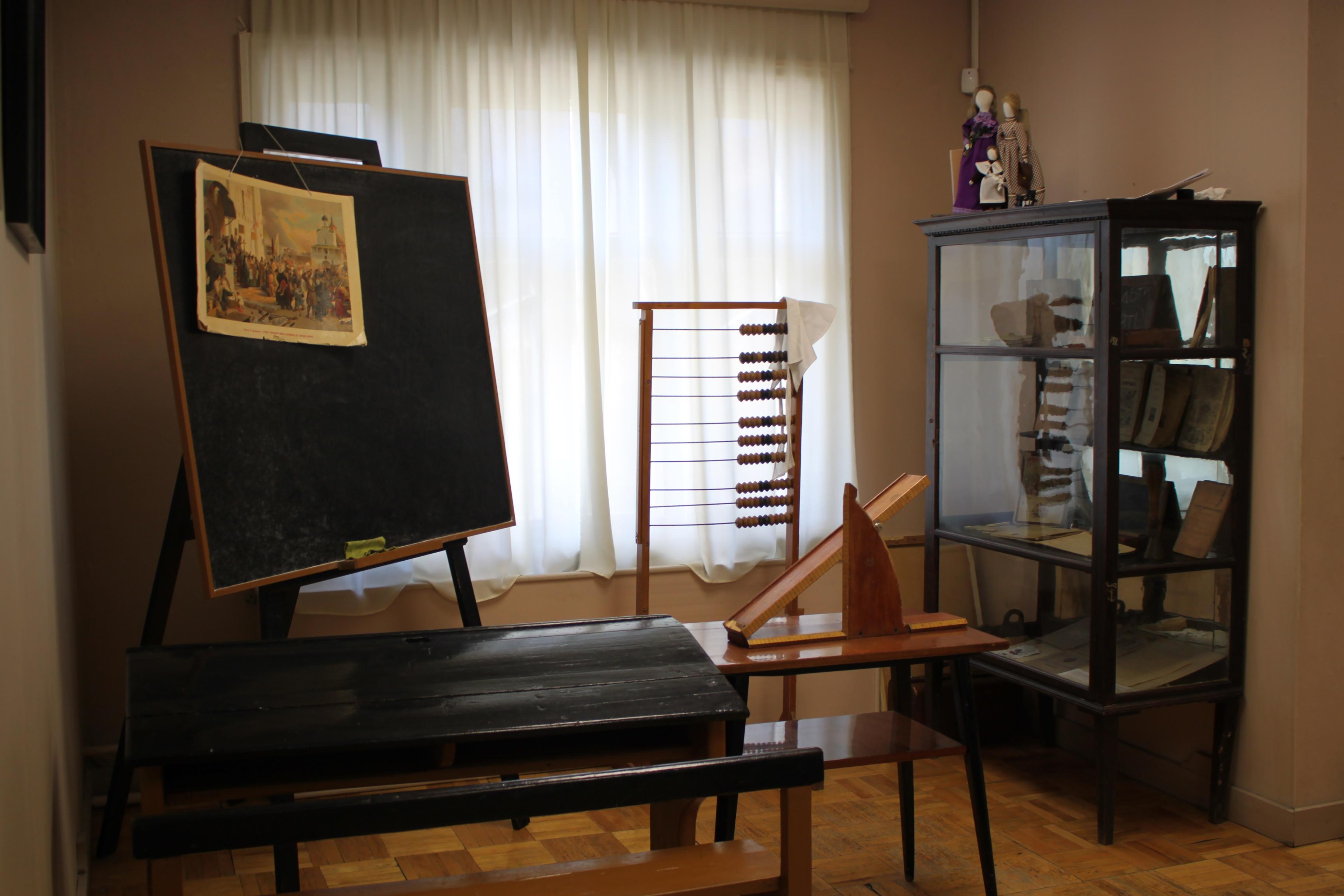
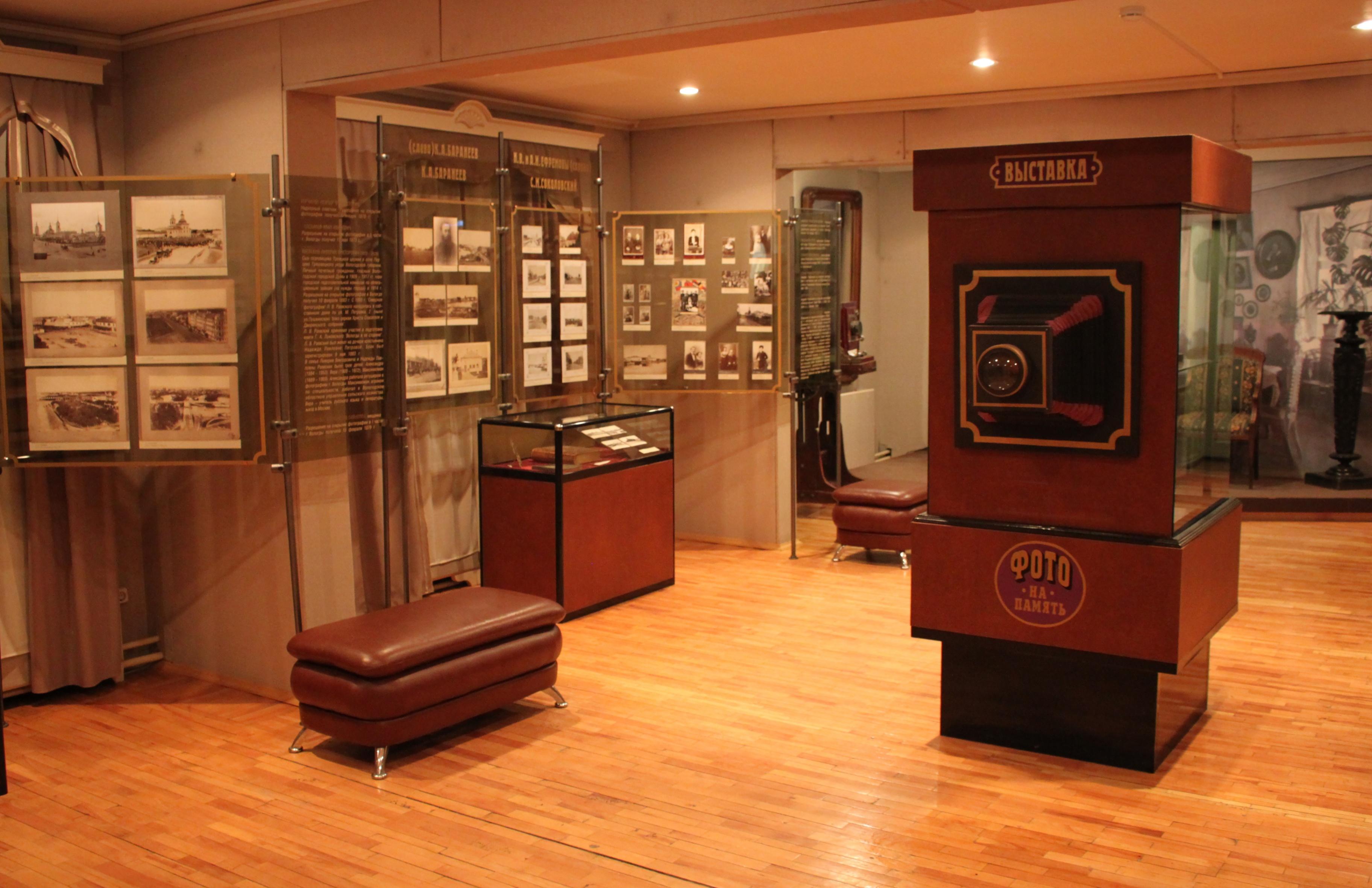
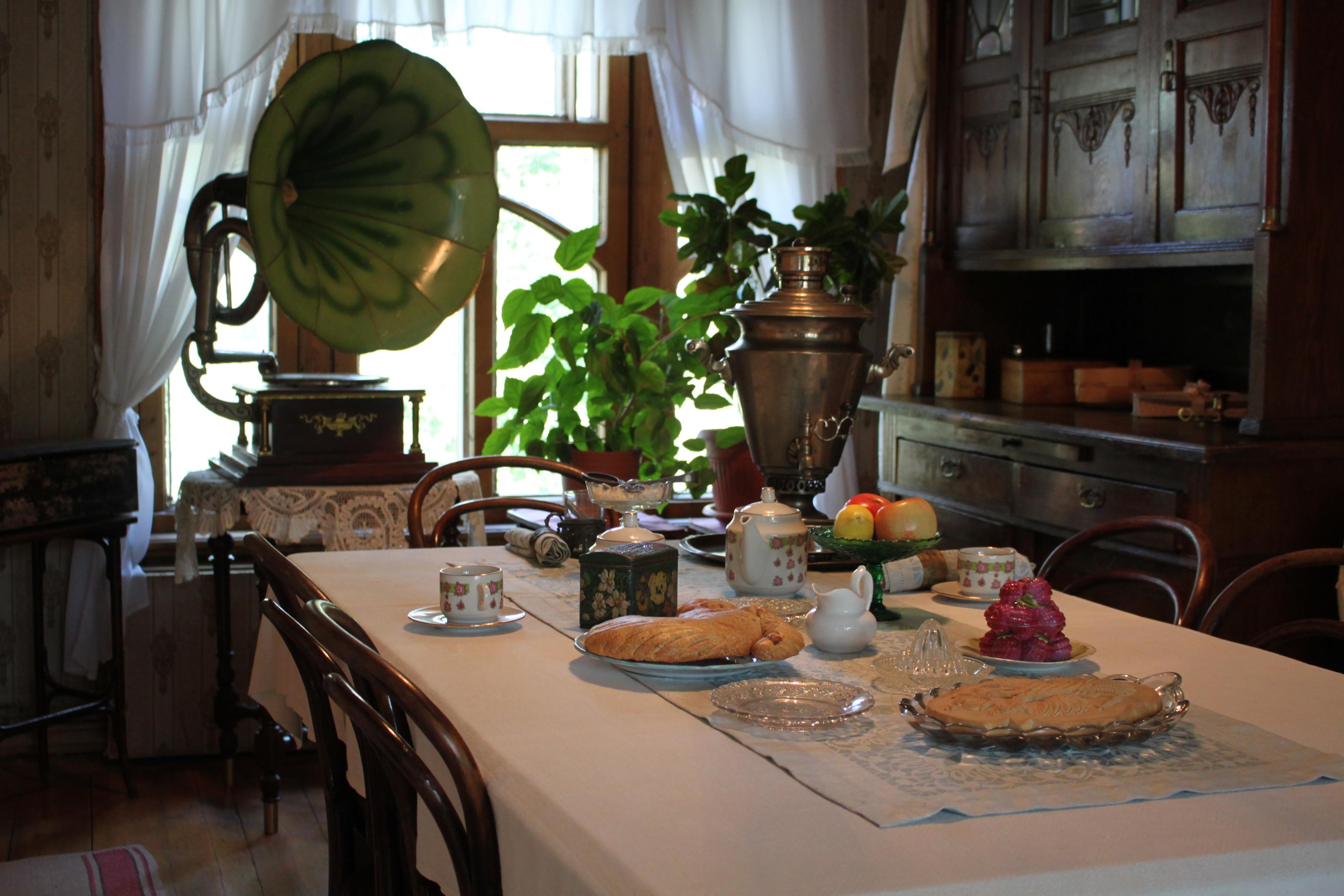
The exhibition complex is located in a merchant estate consisting of three buildings: a shop, a merchant's mansion and an income (rental) house. At the beginning of the 20th century all the buildings belonged to a second-guild merchant, jeweler and watchmaker Alexander Pavlovich Samarin (1862–1934), which is why the museum branch is sometimes simply called the Merchant Samarin House. The architecture of the buildings is typical of wooden Vologda construction of that period: elements of provincial Art Nouveau and the classical style were used in their construction. The theme of city festivals and dining etiquette is explored in the exhibition 'Traditions of the Russian Feast', located on the second floor and featuring many interesting exhibits. Among them are porcelain from the best Russian and foreign factories of the 18th–19th centuries, elegant metalware by Fraje, and a nickel-plated bulotka from the world-famous Württemberg metalware factory. On the first floor, the 'Photos to Remember' display presents historical views of the city, photographs of the main events of that era, and portraits of city residents, public figures, politicians, clergymen, researchers and gymnasium students. The exhibition is completed by antique photographic equipment.
