Sign up
You have successfully registered, a confirmation email has been sent to the email address you provided.


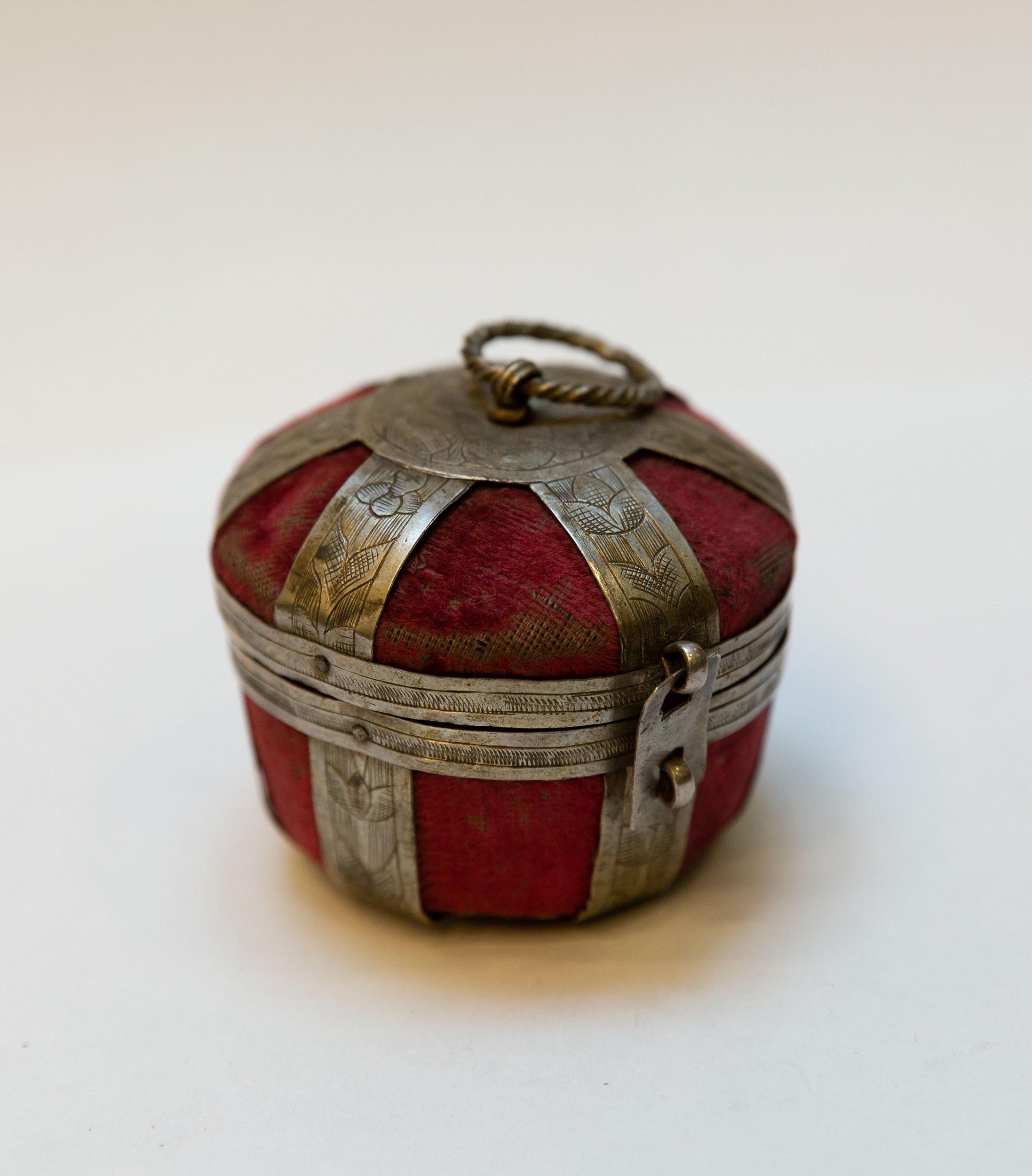
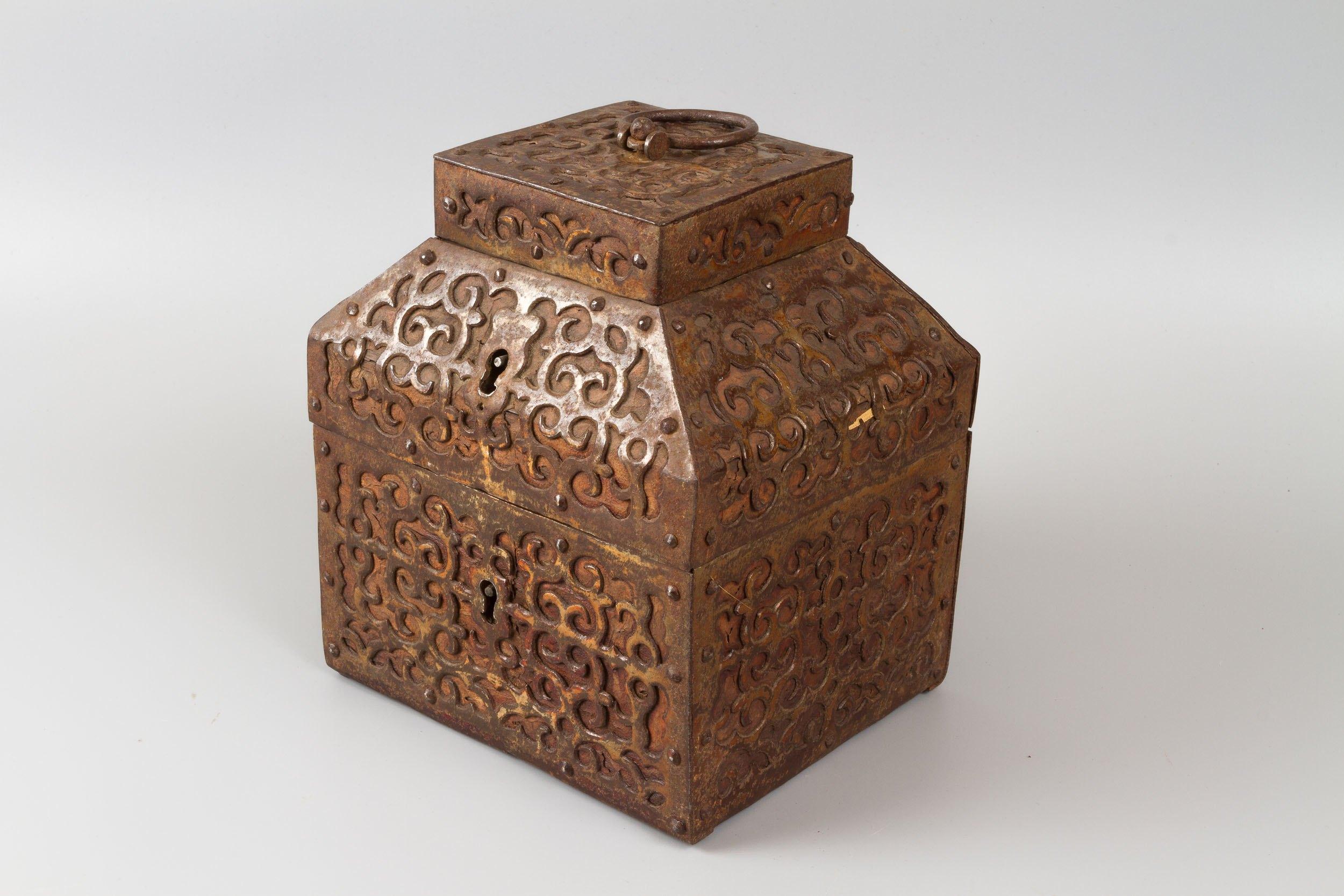
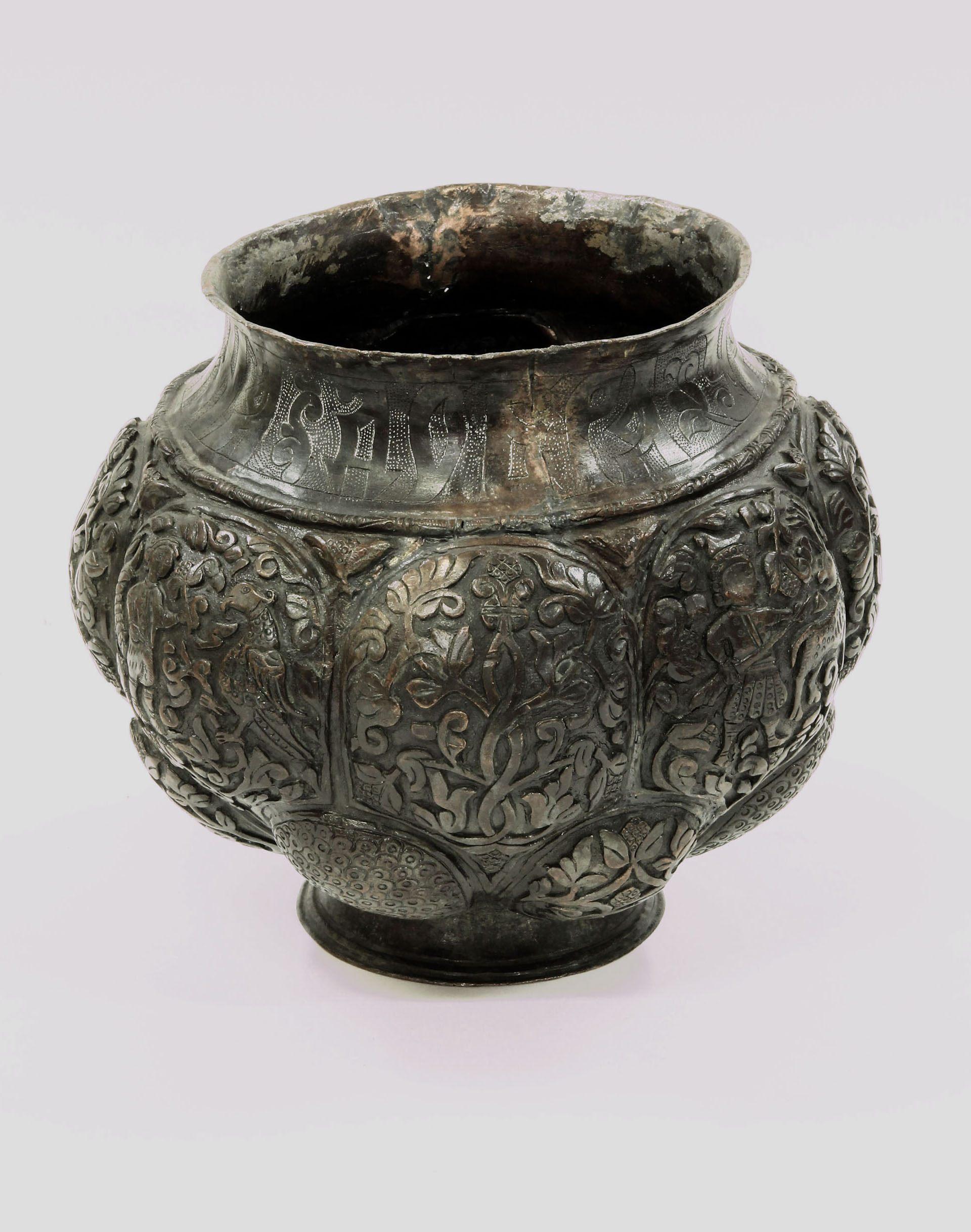
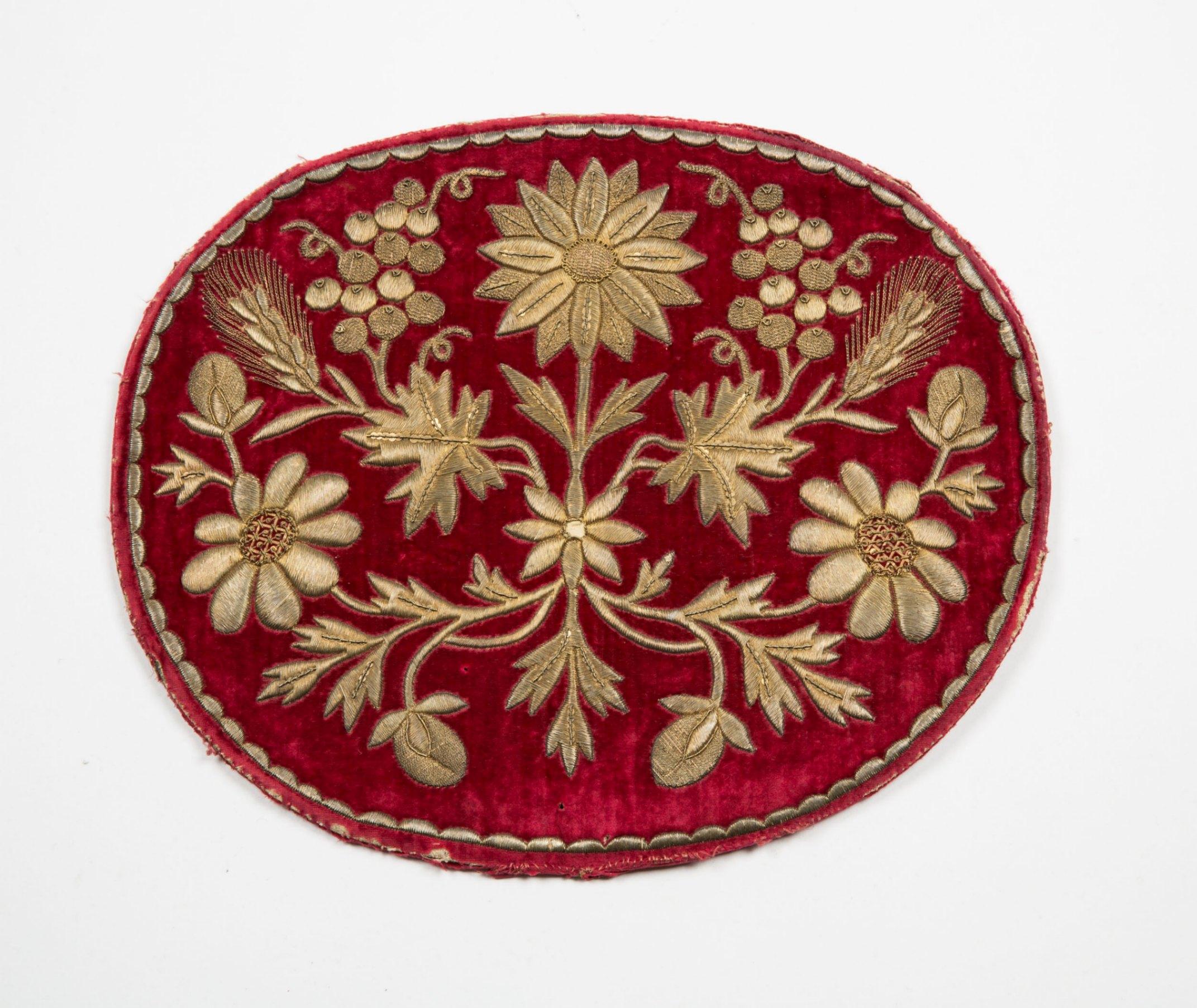
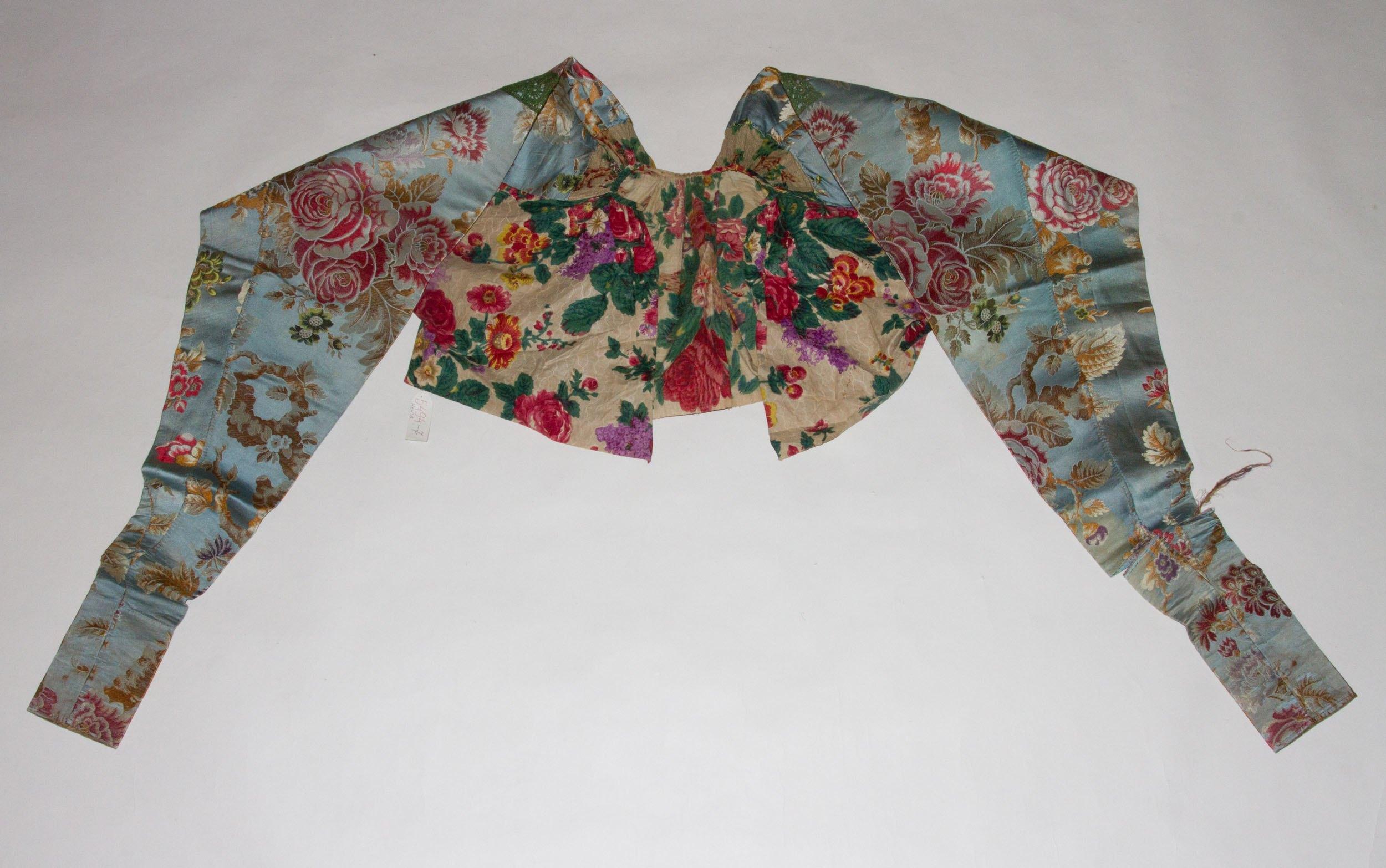
The exhibition from the series "Russians. The Birth of Identity" displays "monuments of Russian antiquity" — artifacts of traditional life from the 17th to the first half of the 19th century. Collected by Russian collectors in the last third of the 19th century, they entered the Russian Museum of Ethnography in the first quarter of the 20th century. These include the collections of the director of the Hermitage A. A. Vasilchikov; painters V. V. Vereshchagin, K. E. Makovsky and S. S. Solomko; architect N. V. Sultanov; as well as collectors F. K. Plyushkin and N. L. Shabelskaya; and the hieromonk Antoniy of the Kirillo-Belozersky Monastery. The exhibition features 17th-century items such as painted bast-bark boxes, chests and caskets made in Veliky Ustyug, utensils for serving food and drinks at festive tables, gingerbread molds and block-printing boards, printed textiles, liturgical items, as well as women's and men's costumes and clothing items from the second half of the 18th to the first quarter of the 19th century. Collecting antiquities during this period was driven by Russian society's desire to study and reinterpret Russia's historical past in order to return it to the "path of national distinctiveness" lost during the era of Emperor Peter the First's reforms aimed at the "Europeanization" of the country. The exhibition also shows objects contemporary to the collectors that were made in the Russian style: furniture, women's costumes and individual household items that testify to attempts to find artistic expressions of national identity through the revival of 17th-century artistic traditions. Many of the exhibits — both material artifacts and photographs — are being shown for the first time.
