Sign up
You have successfully registered, a confirmation email has been sent to the email address you provided.

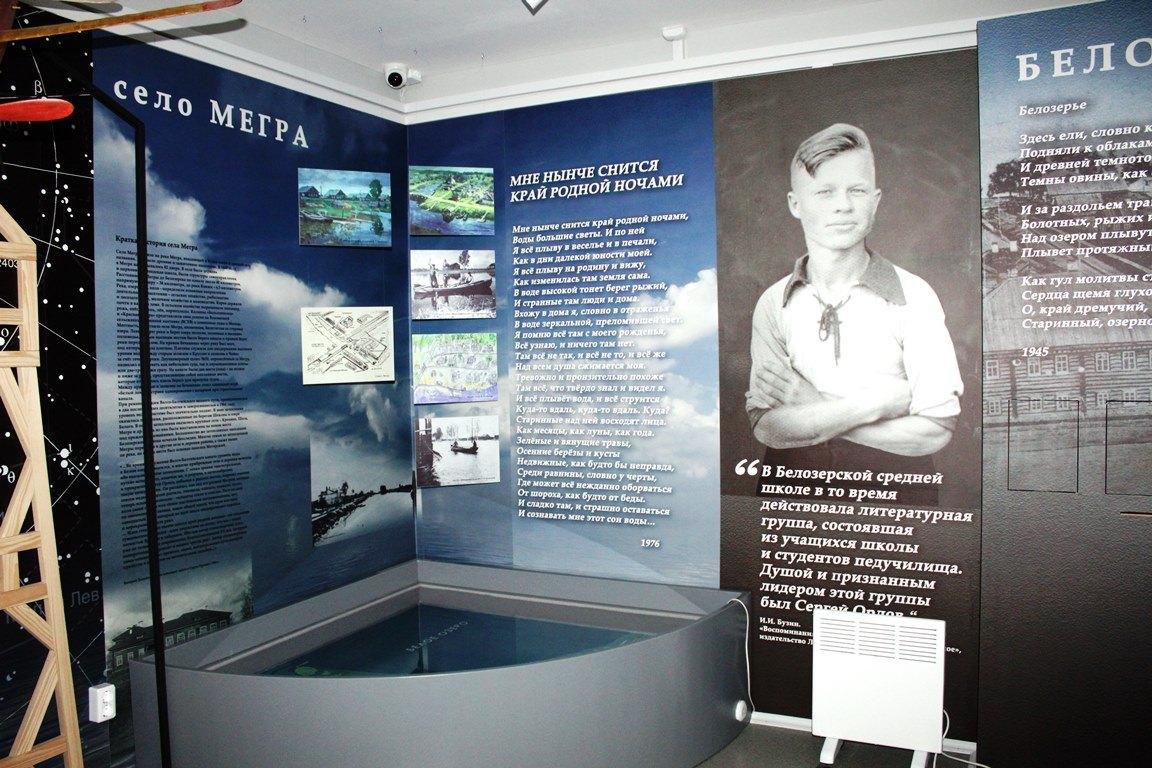
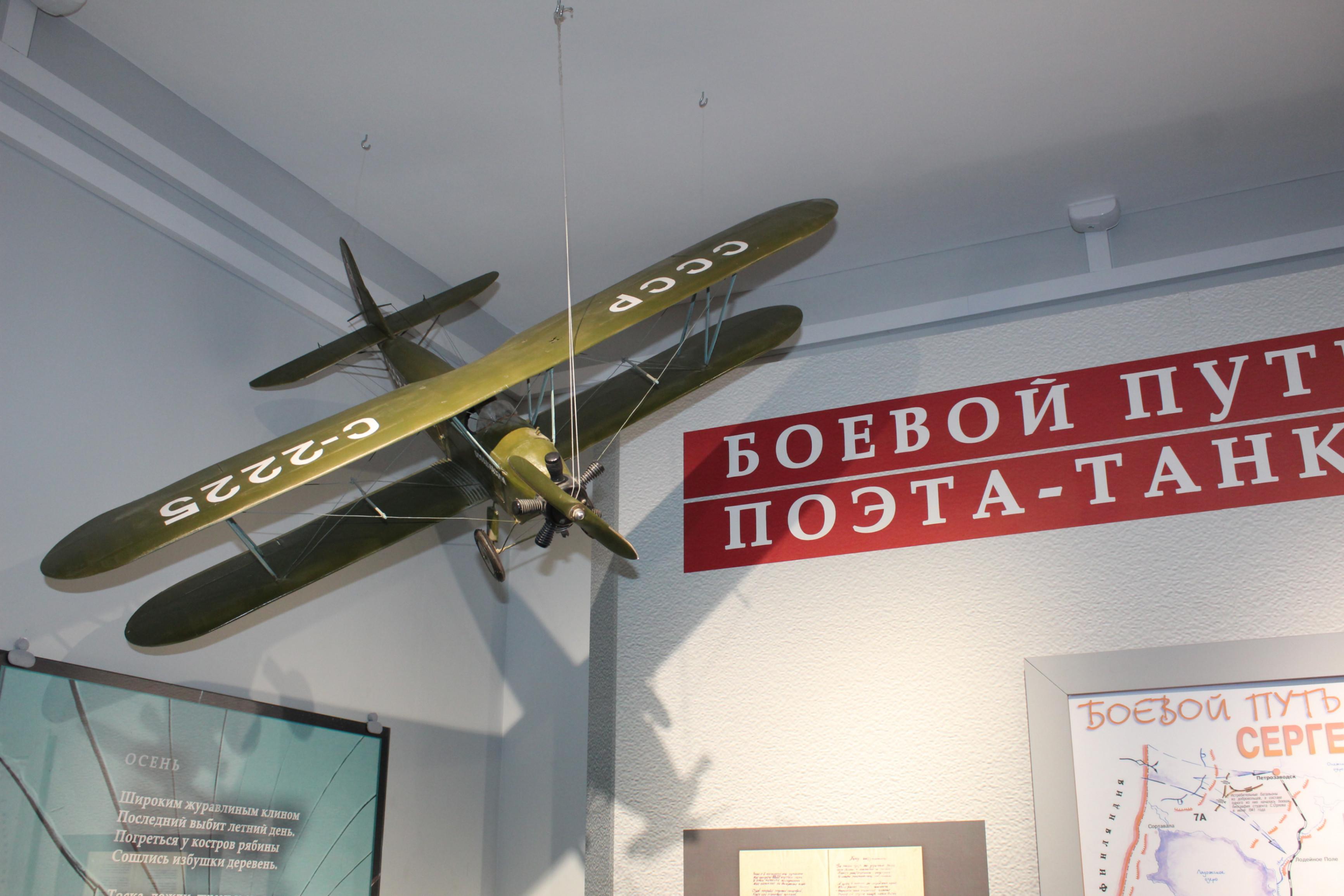
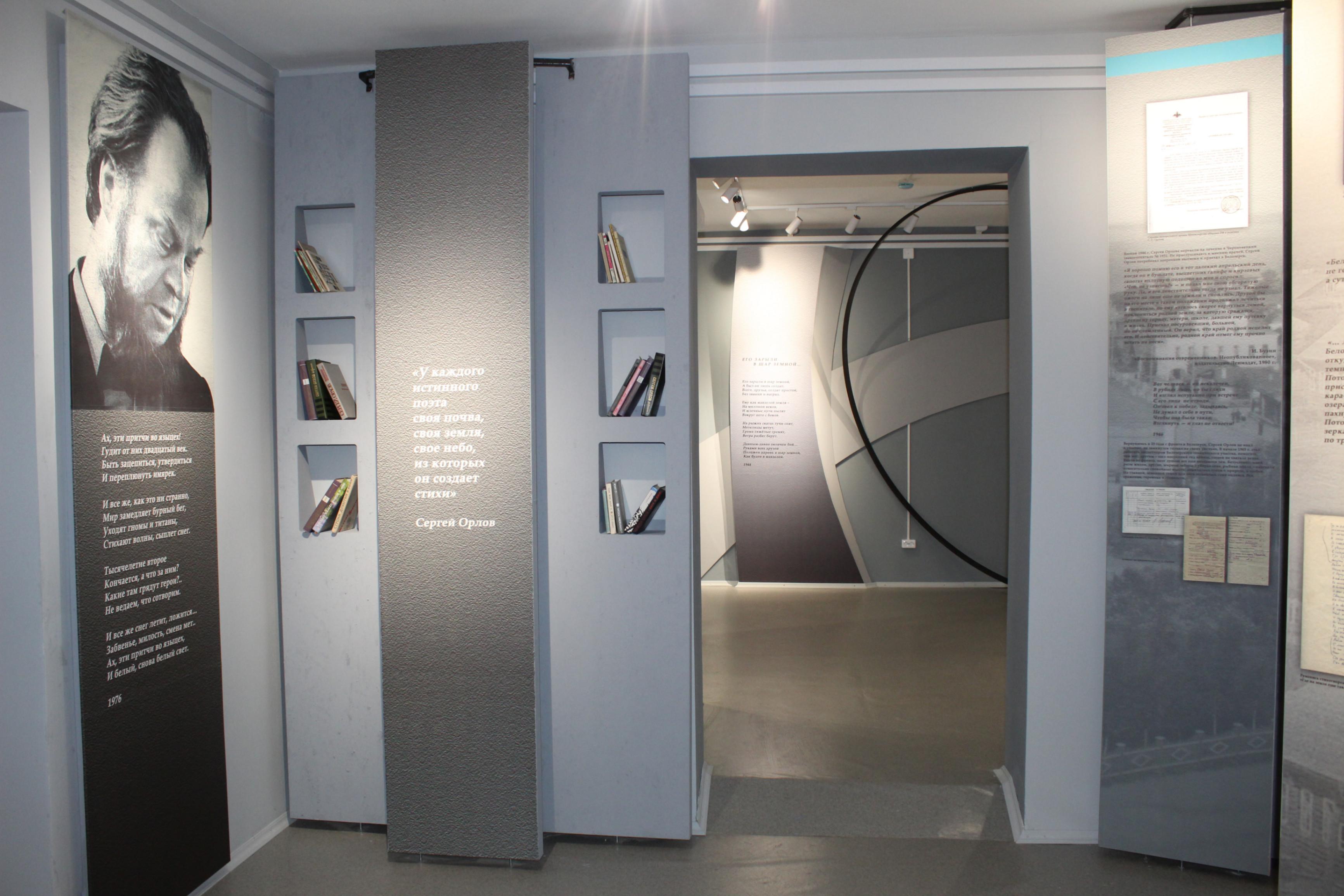
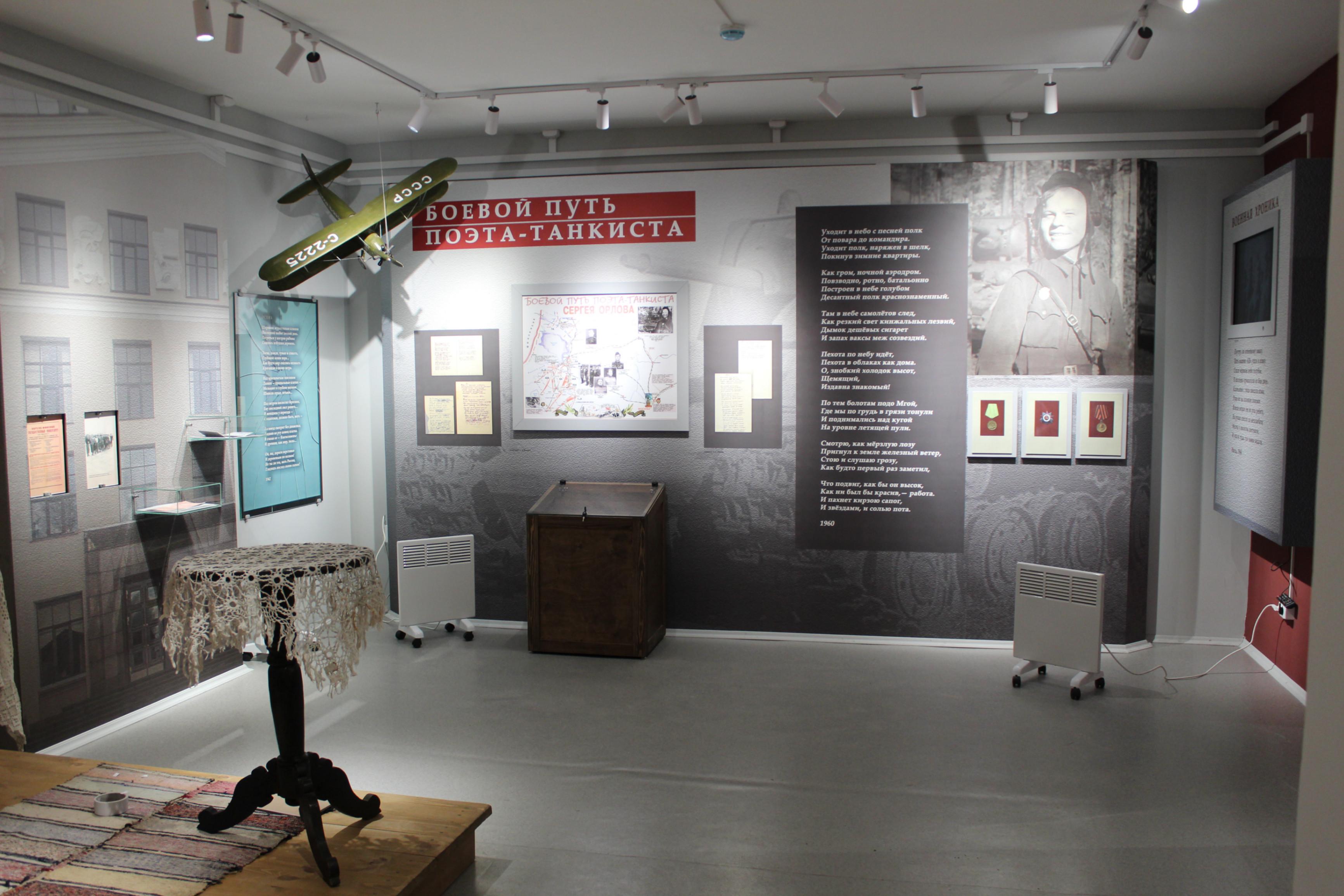
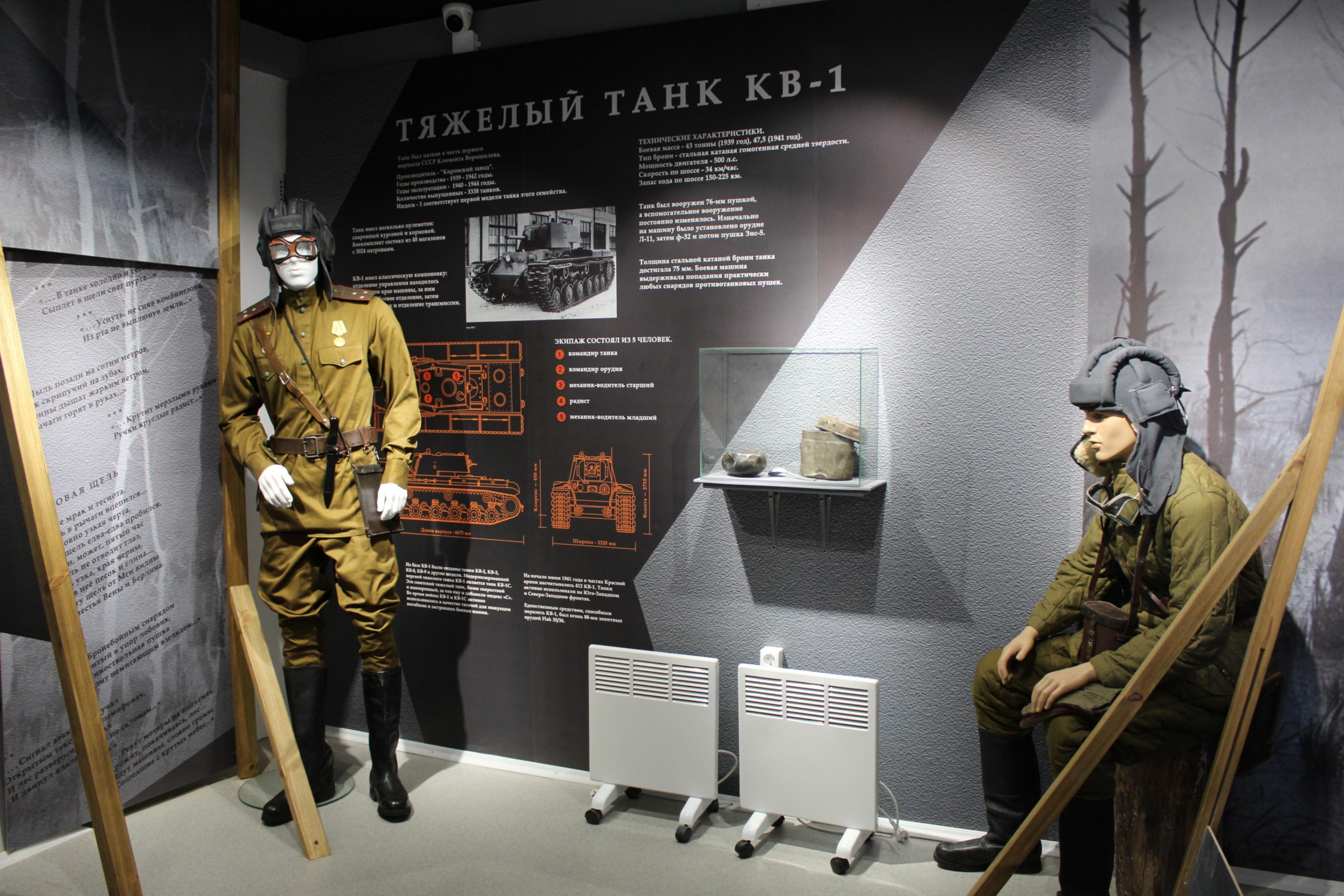
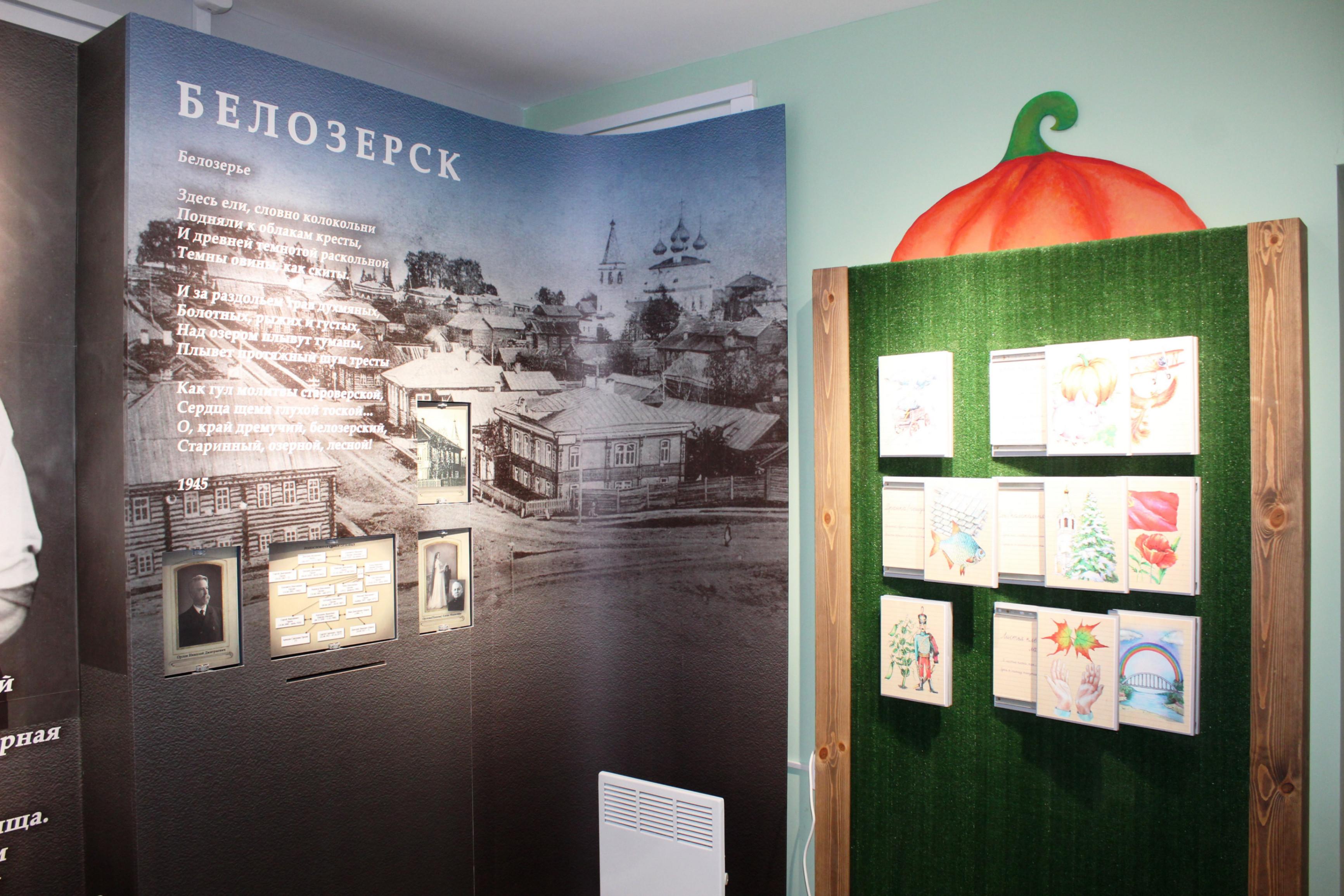
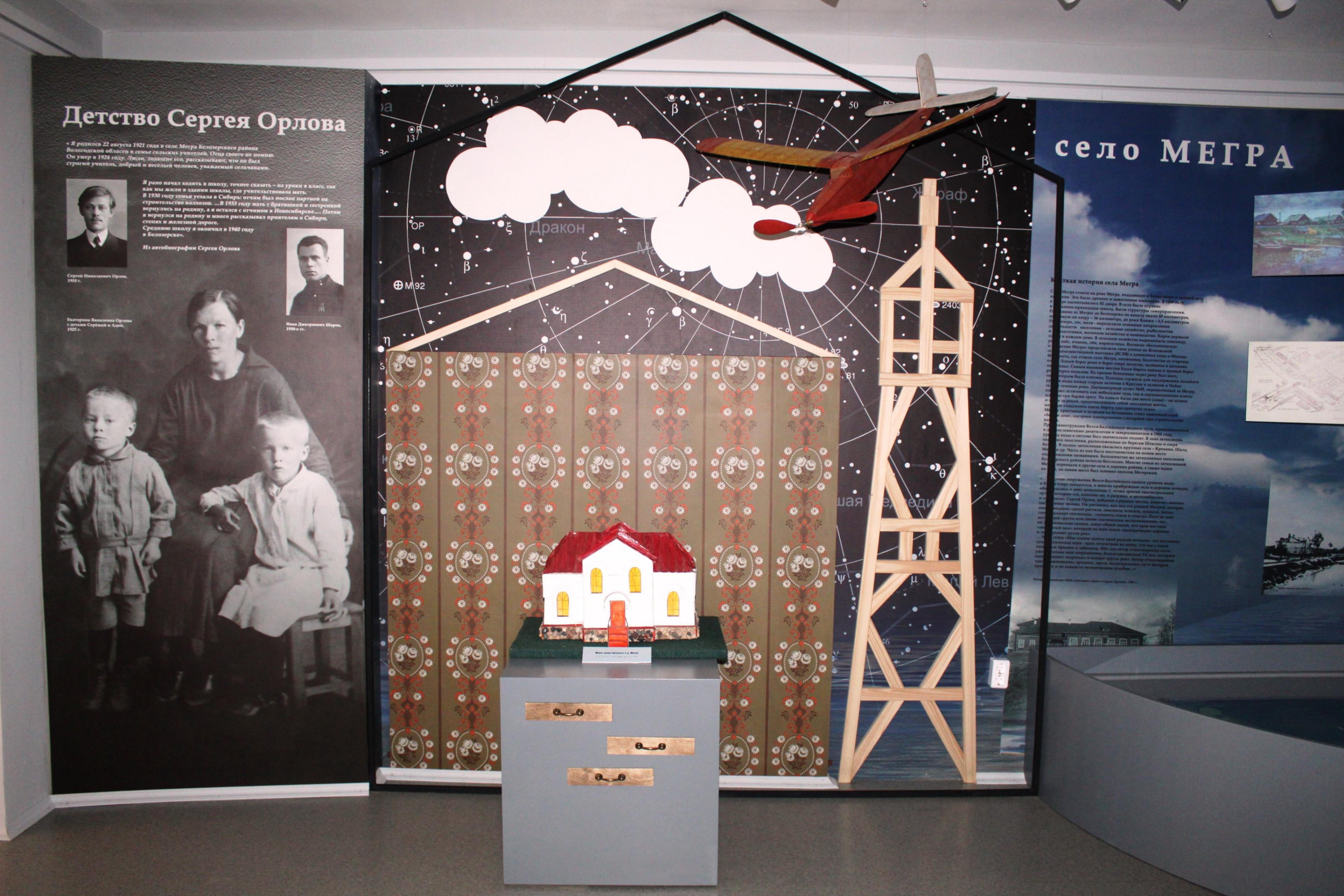
The exhibition is dedicated to the life and work of the talented front-line poet, laureate of the RSFSR State Prize named after M. Gorky and secretary of the board of the Union of Writers of the RSFSR, Sergey Orlov. The museum is one of the most modern literary museums in the Vologda Region. In the entrance area visitors are greeted by a photograph of the poet Sergey Orlov himself accompanied by one of the most significant poems for the residents of Belozersk, "White Lake." Next, visitors become acquainted with the poet’s life and work as they move through the five halls of the new exhibition. Particularly interesting, especially for children, is the hall "Sergey Orlov’s Childhood," from which the exhibition and the story of Sergey Sergeyevich’s life begin. Here the visitor can see the waters of White Lake, beneath which lies the village of Megra, and the module "How Do Poems Grow?" The second hall, "Peace and War," is built on the contrast between peaceful life and war. In this hall one feels the turning point in Sergey Orlov’s life, when life was divided into before and after, which can also be traced in the displayed manuscript poems that have a diary-like character. The third hall, "War through a Tanker’s Eyes," presents the war from the "inside," through the eyes of a soldier living through it. This is, in essence, what all of Orlov’s war poems are about; they scatter the realities. Orlov himself was burned in a tank twice. The fourth exhibition hall is dedicated to the memory of the Great Patriotic War. The dominant feature of the hall is an installation, architecturally arranged as a circle symbolically representing the planet Earth, with two concave planes (the Milky Ways). The final hall of the exhibition, "Life After the War," is devoted to Sergey Orlov’s postwar life. The center of the exhibition is an installation "The Poet’s Desk." At its core are the poet’s memorial belongings. The exhibition also includes collections of the poet’s poems that visitors can pick up and read.
