Sign up
You have successfully registered, a confirmation email has been sent to the email address you provided.

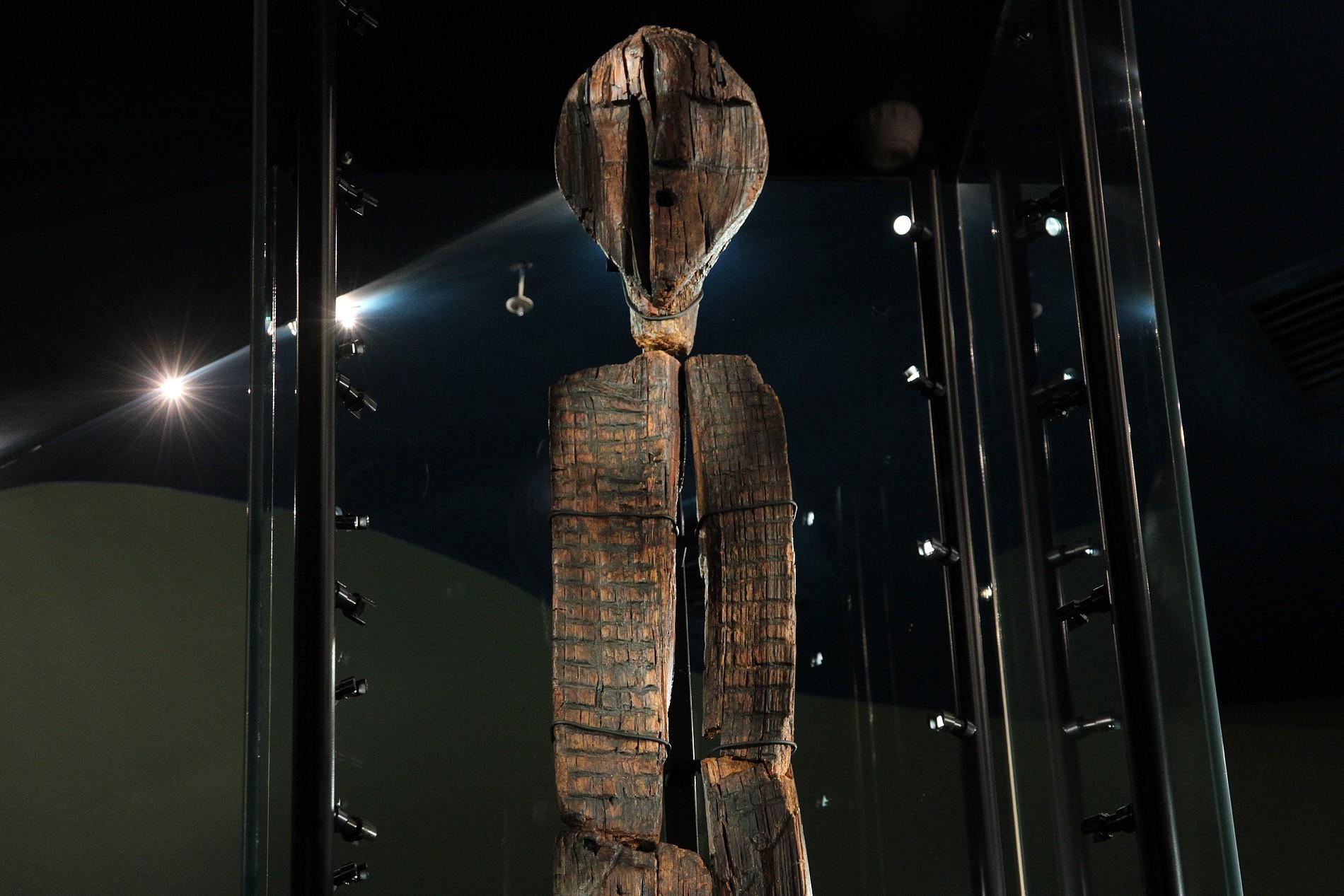
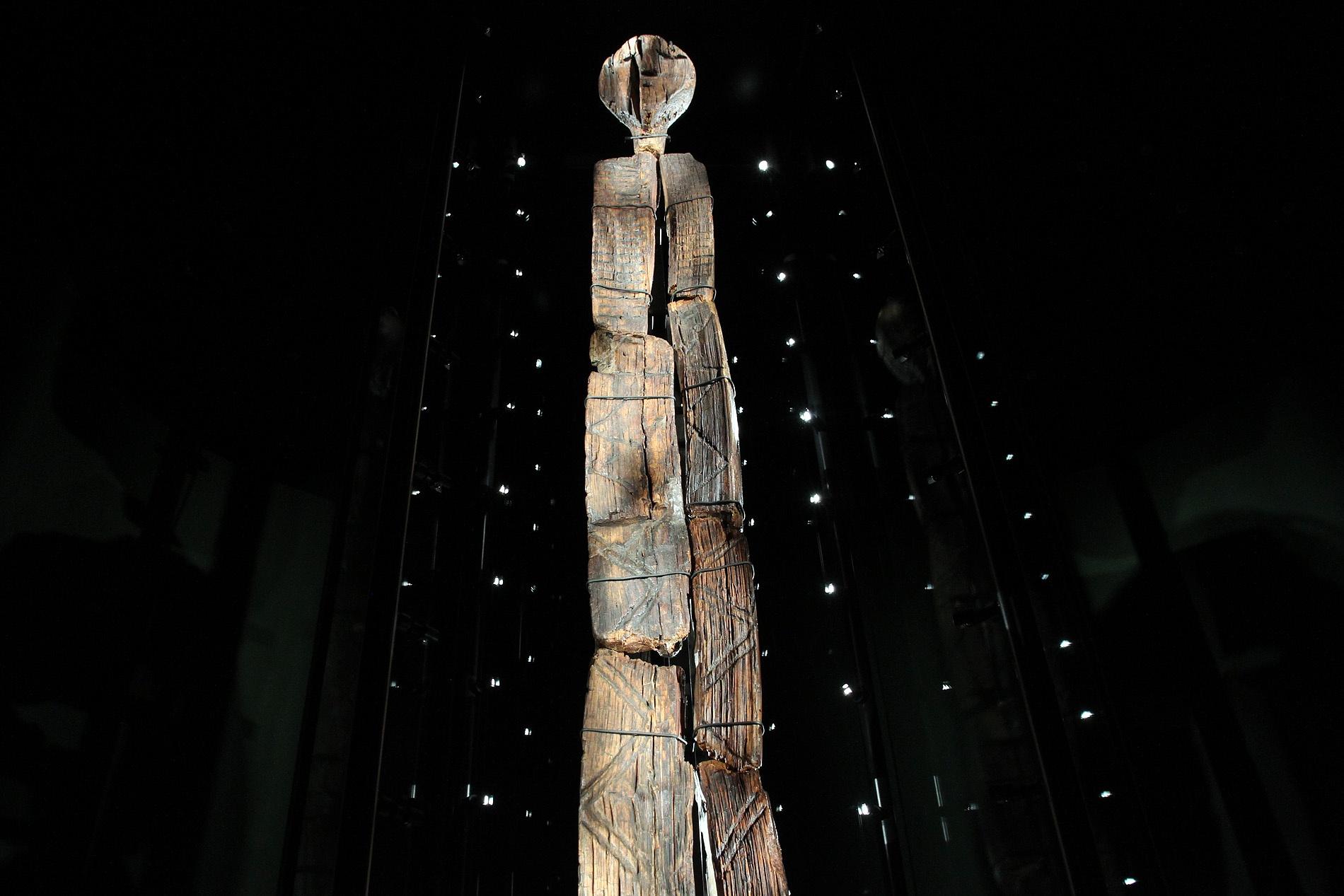
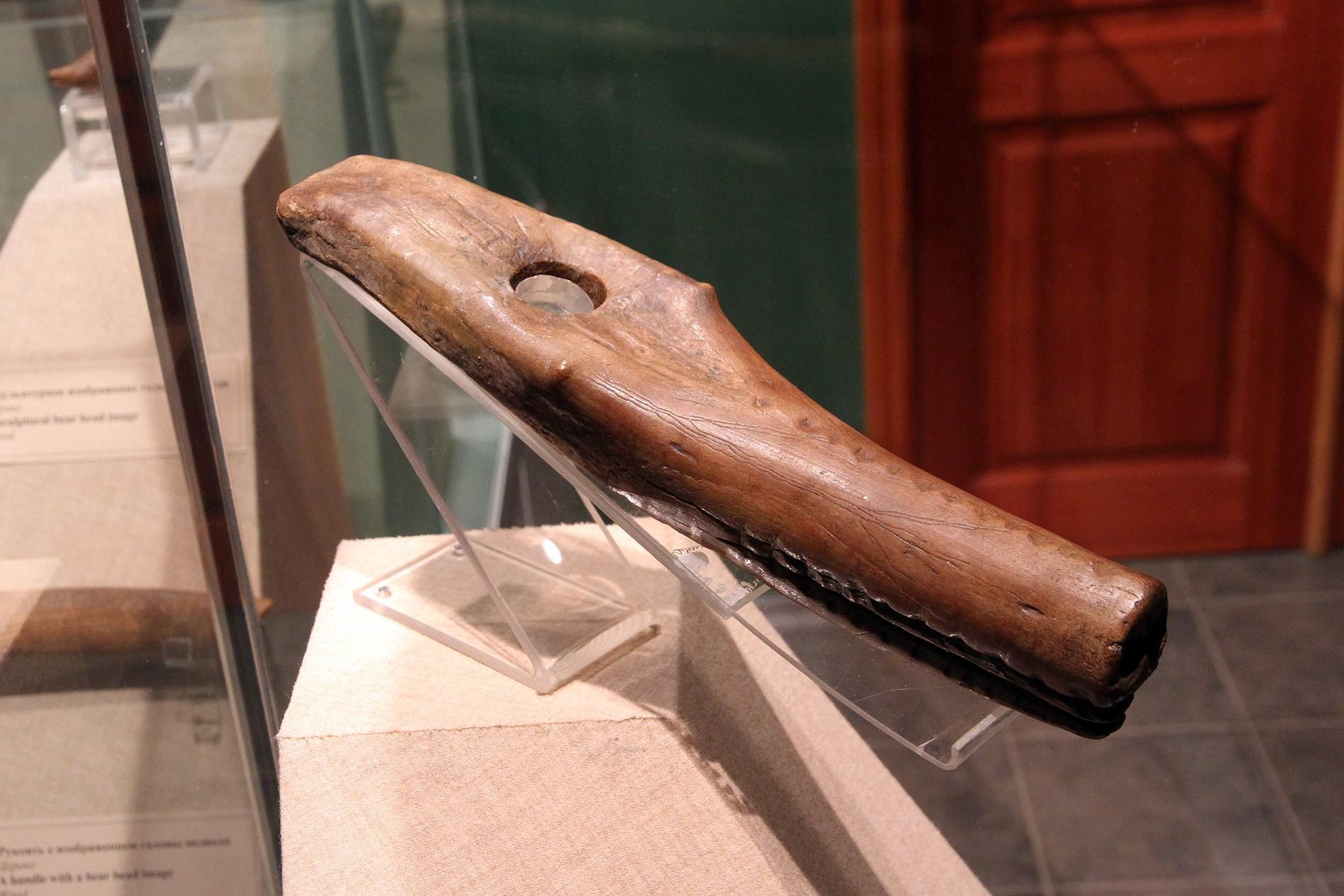
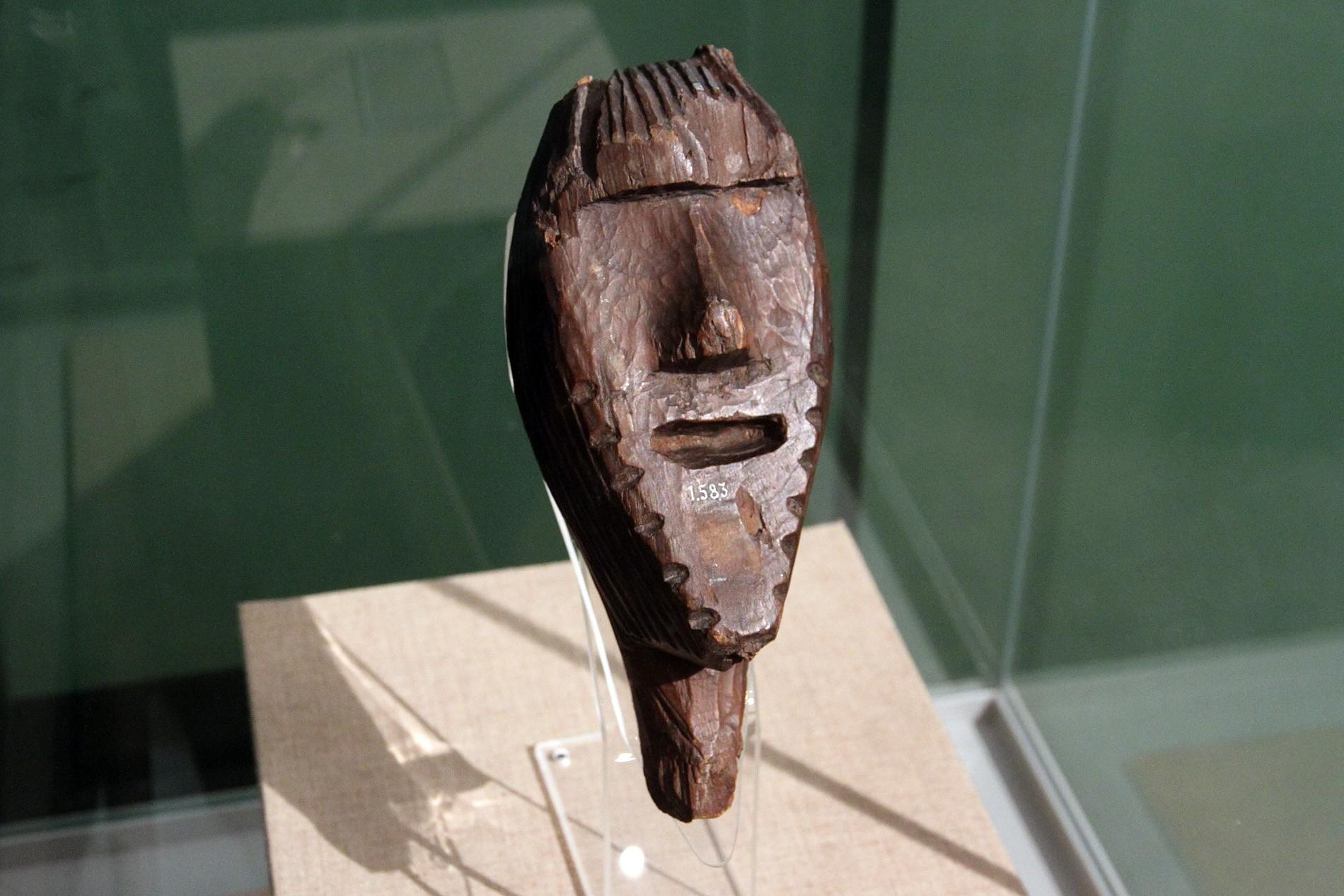
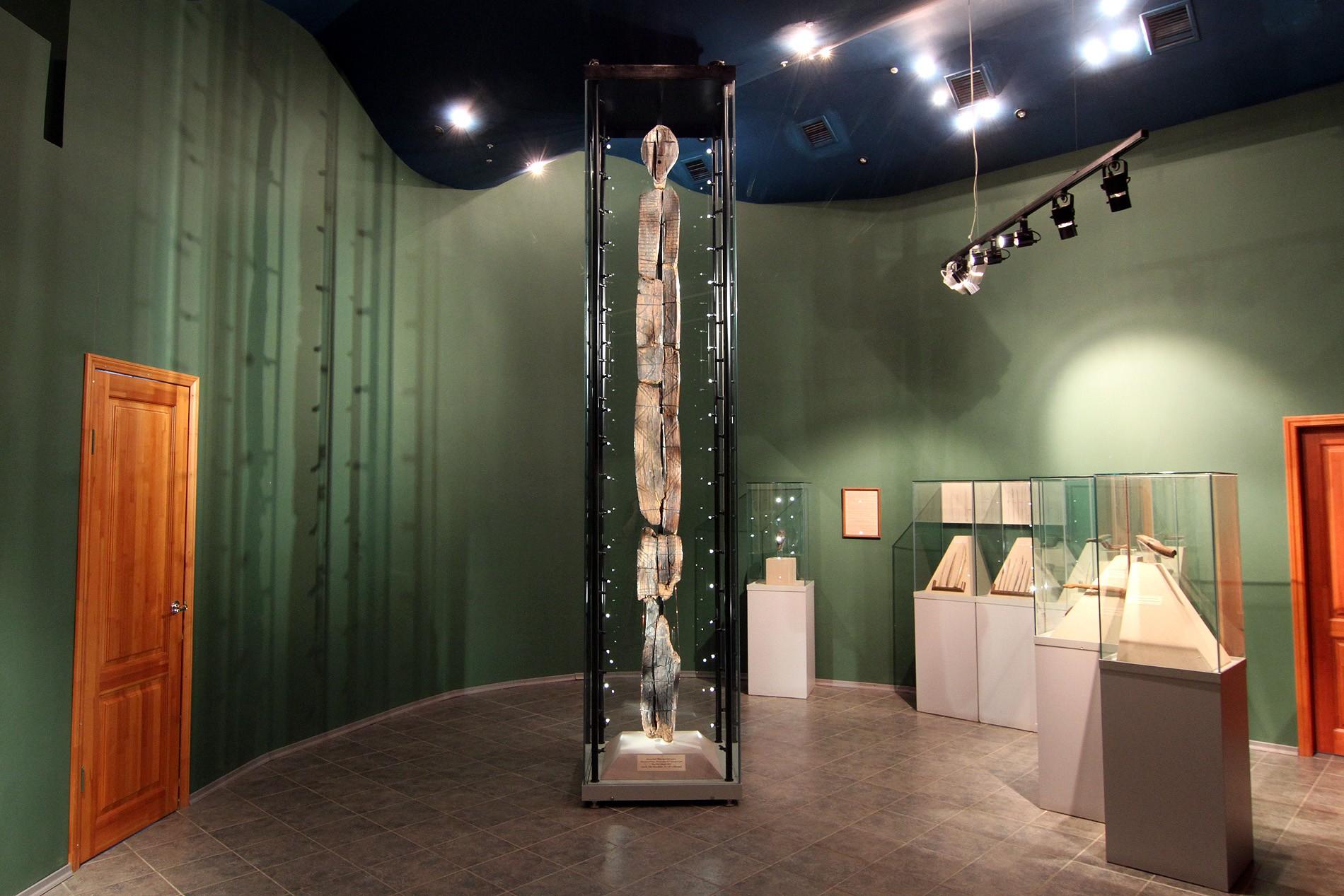
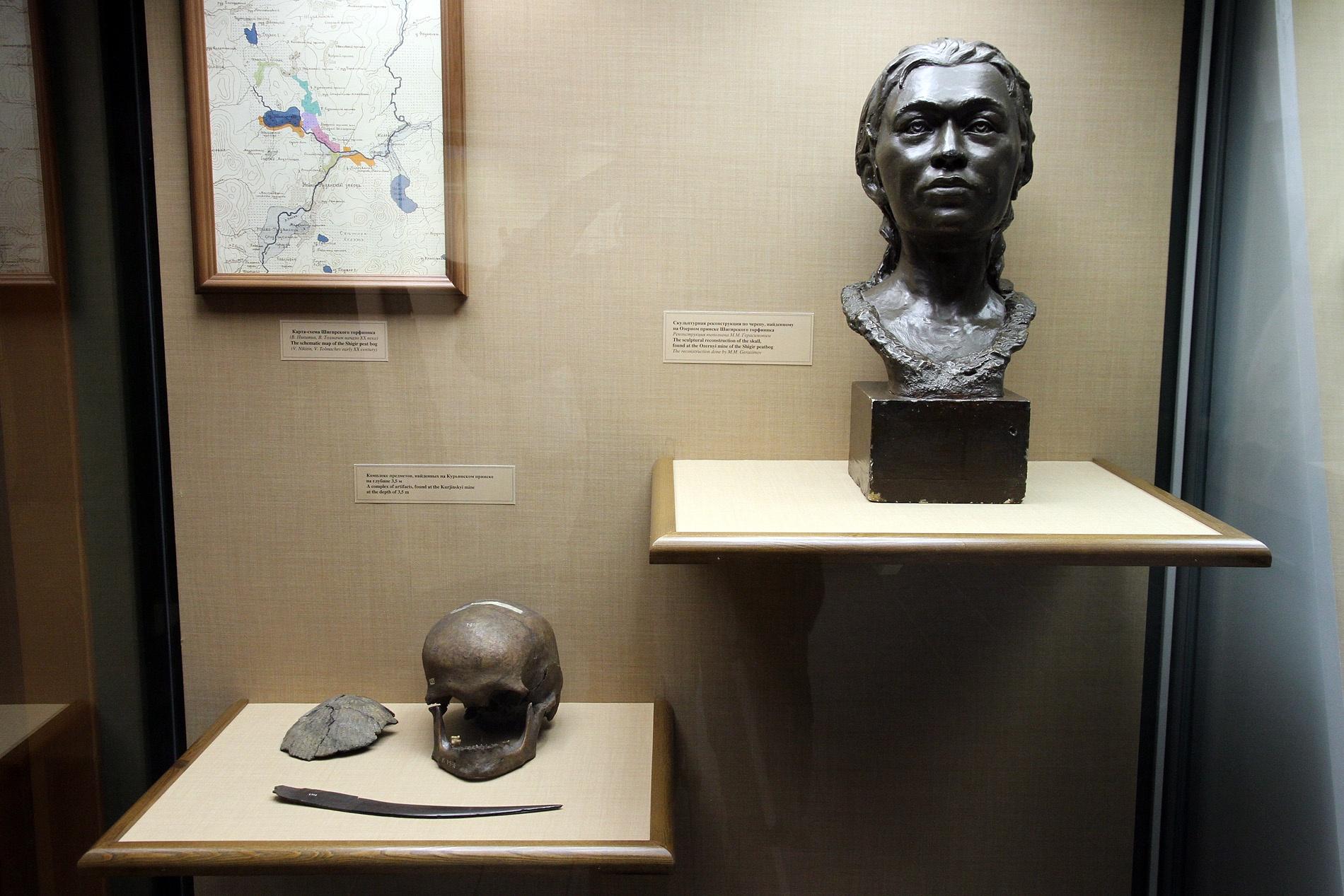
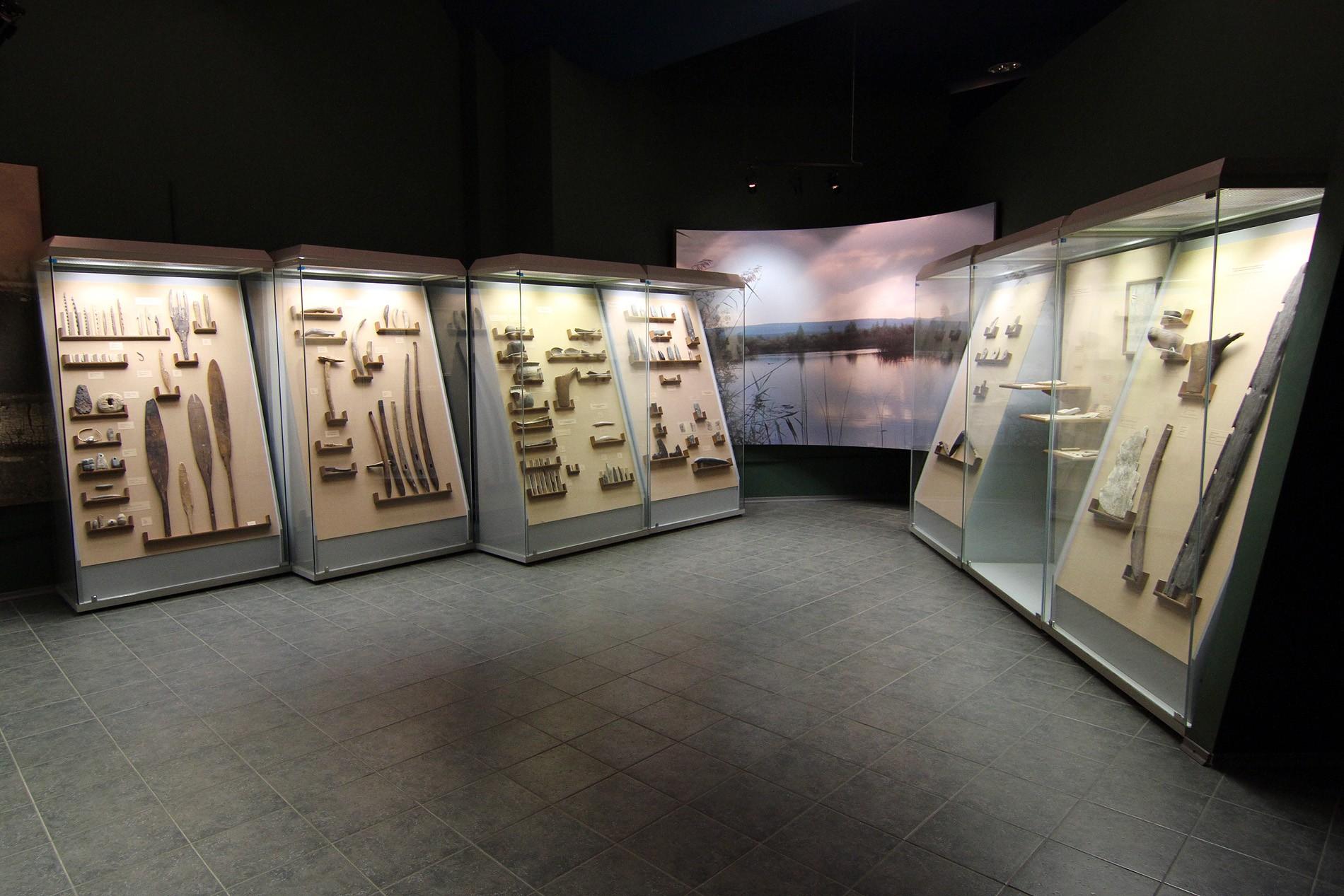
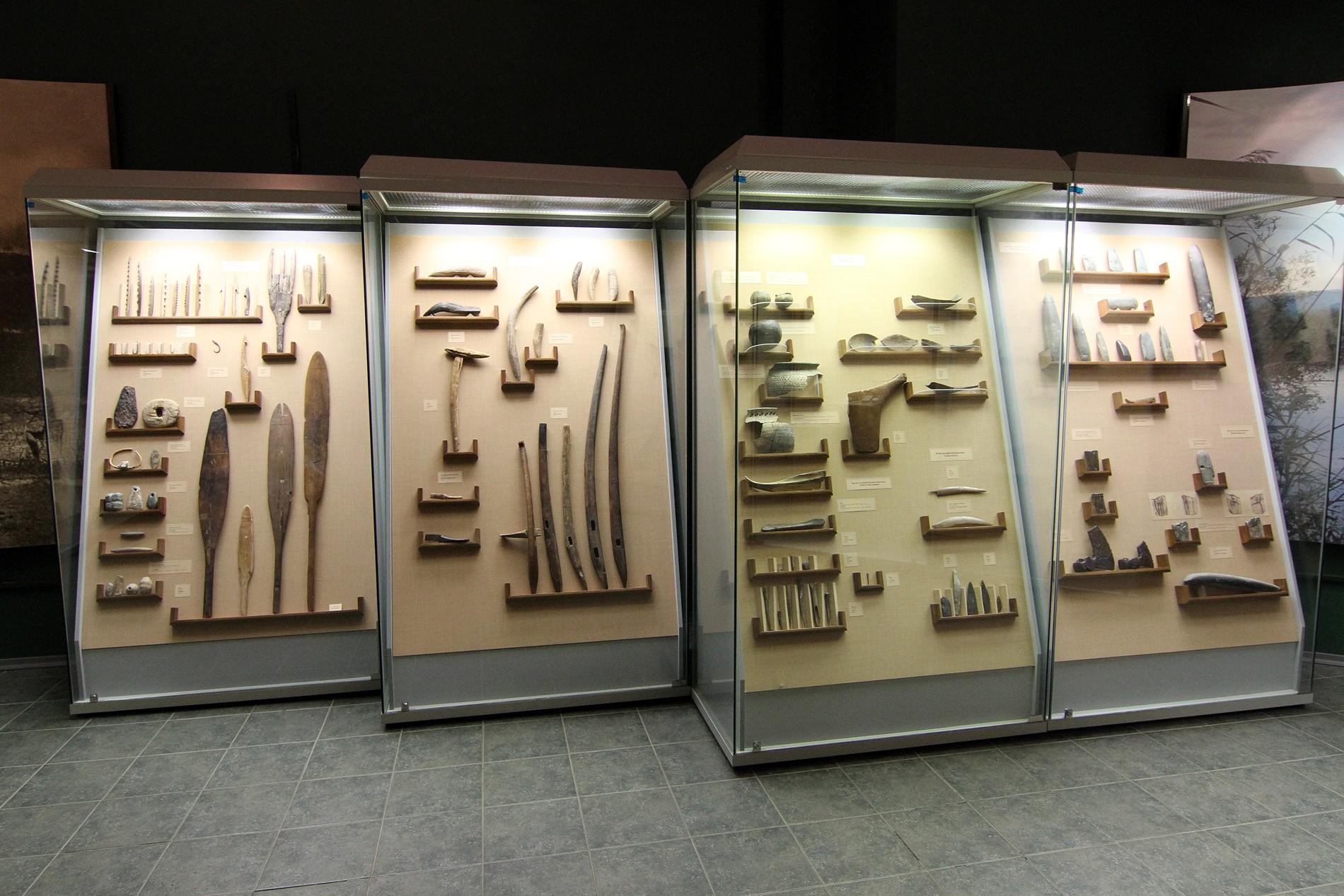
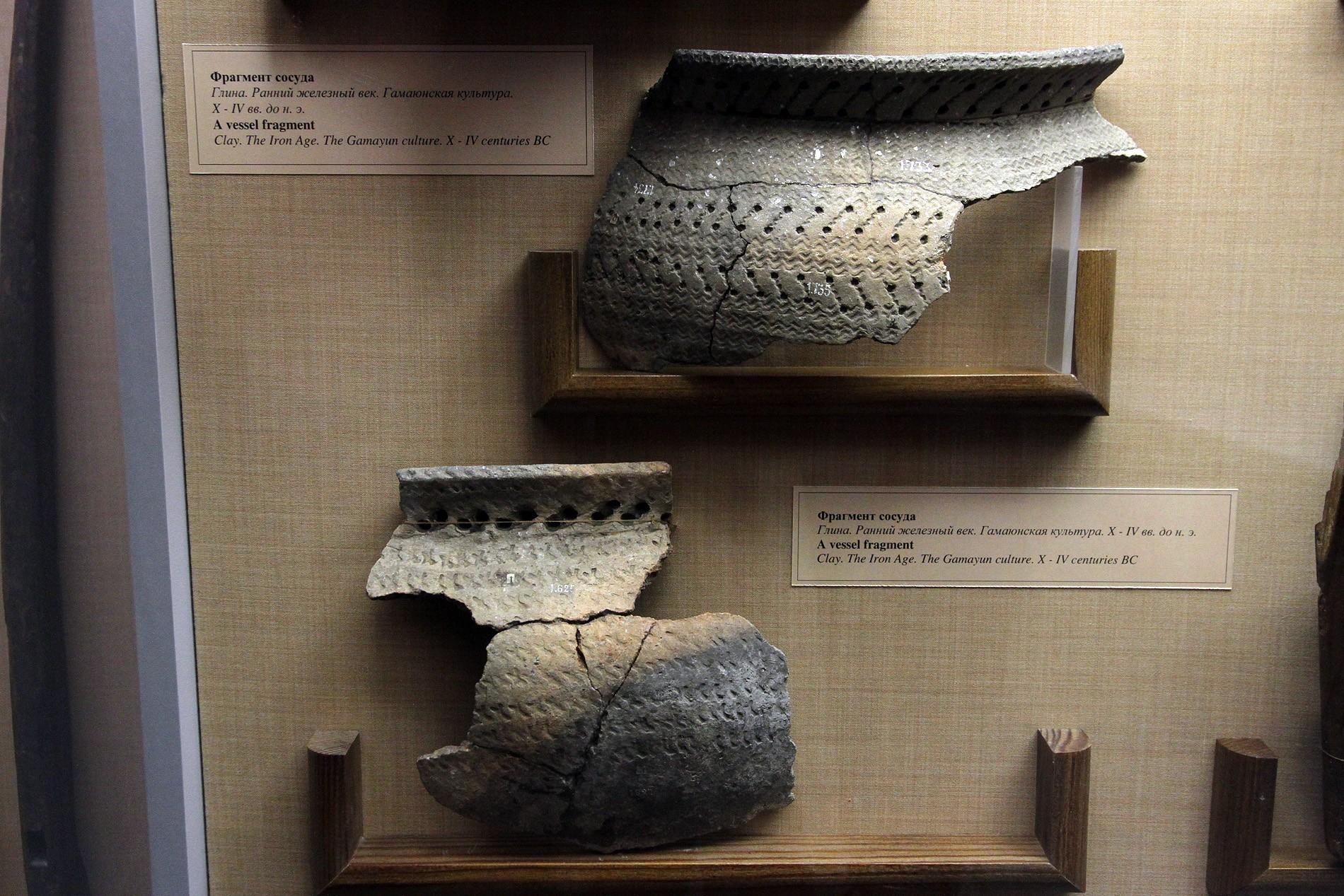
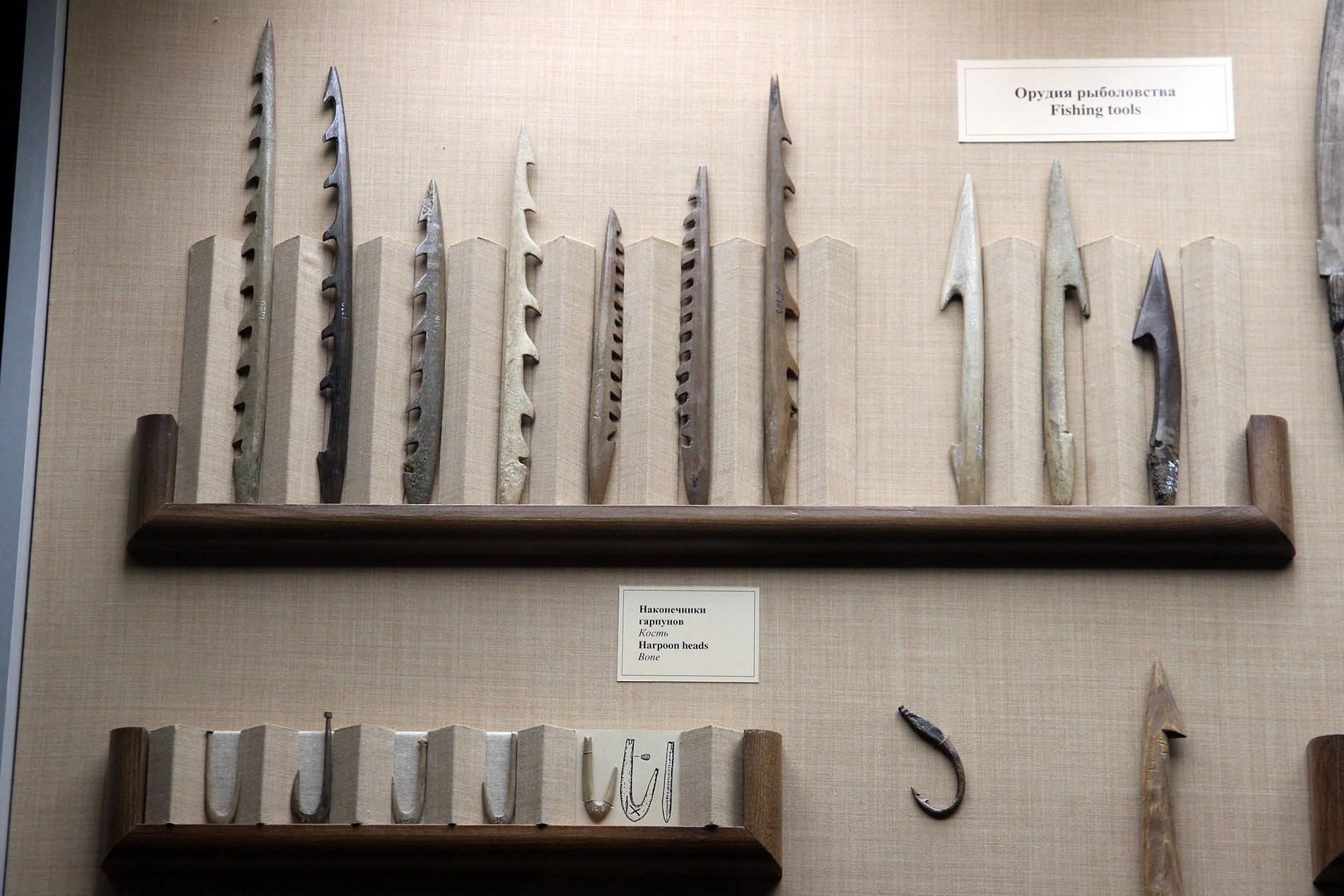
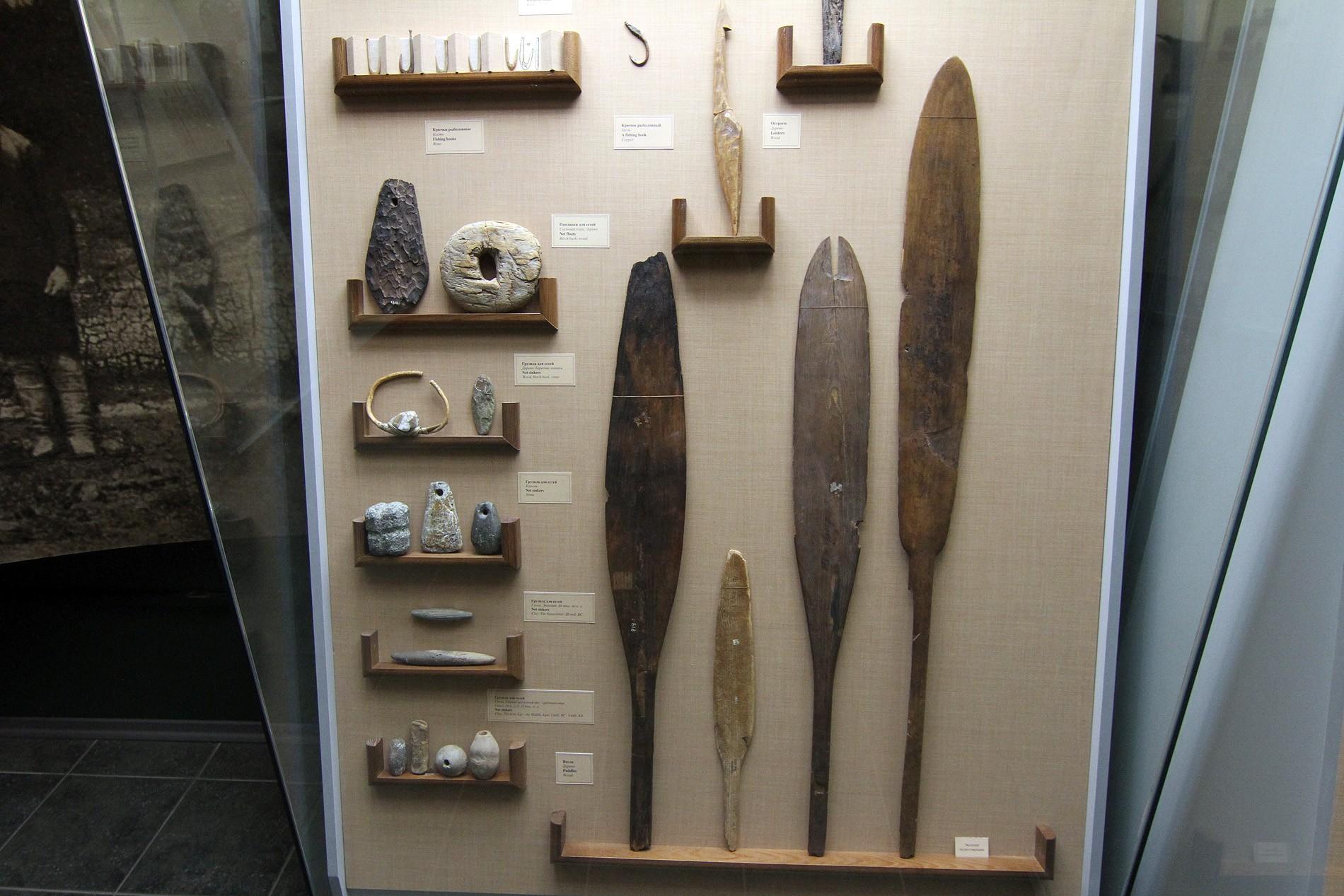
The exhibition introduces visitors to a collection of unique ancient objects made of wood, bone and horn that are extremely rarely preserved and only under specific temperature and humidity conditions. Across most of Eurasia such items have still not been found. The collection was assembled during gold extraction at the Shigir peat bog in the late 19th – early 20th century, in the vicinity of the present-day town of Kirovgrad. Items were found at various mining sites and at different depths: in peat, in lake deposits (sapropel) and beneath them in sand. In 1888 the landowner, Count Alexey Stenbok-Fermor, donated 40 finds to the museum of the Ural Society of Naturalists, forming the basis of the Shigir collection. The collection was later supplemented by private donations, purchases from prospectors, and by modern archaeological excavations. The collection includes hunting weapons (arrow and spear points, bone daggers, a wooden bow), fishing implements (points for fish spears and harpoons, fish hooks, floats and net sinkers, wooden fish spears and paddles), household items, woodworking tools (stone axes and adzes, copper celts, iron axes), and items of ancient metallurgy. The most famous exhibit — the Large Shigir Idol — was found on 24 January 1890 in peat at a depth of 4 meters and, by the Count's order, was donated to the museum. Close analogues of the Shigir Idol are still unknown. Today it is the largest and oldest monumental cult wooden sculpture on Earth.
