Sign up
You have successfully registered, a confirmation email has been sent to the email address you provided.

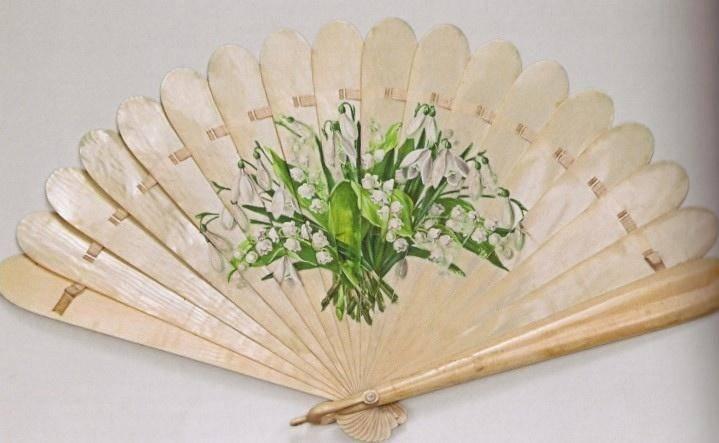
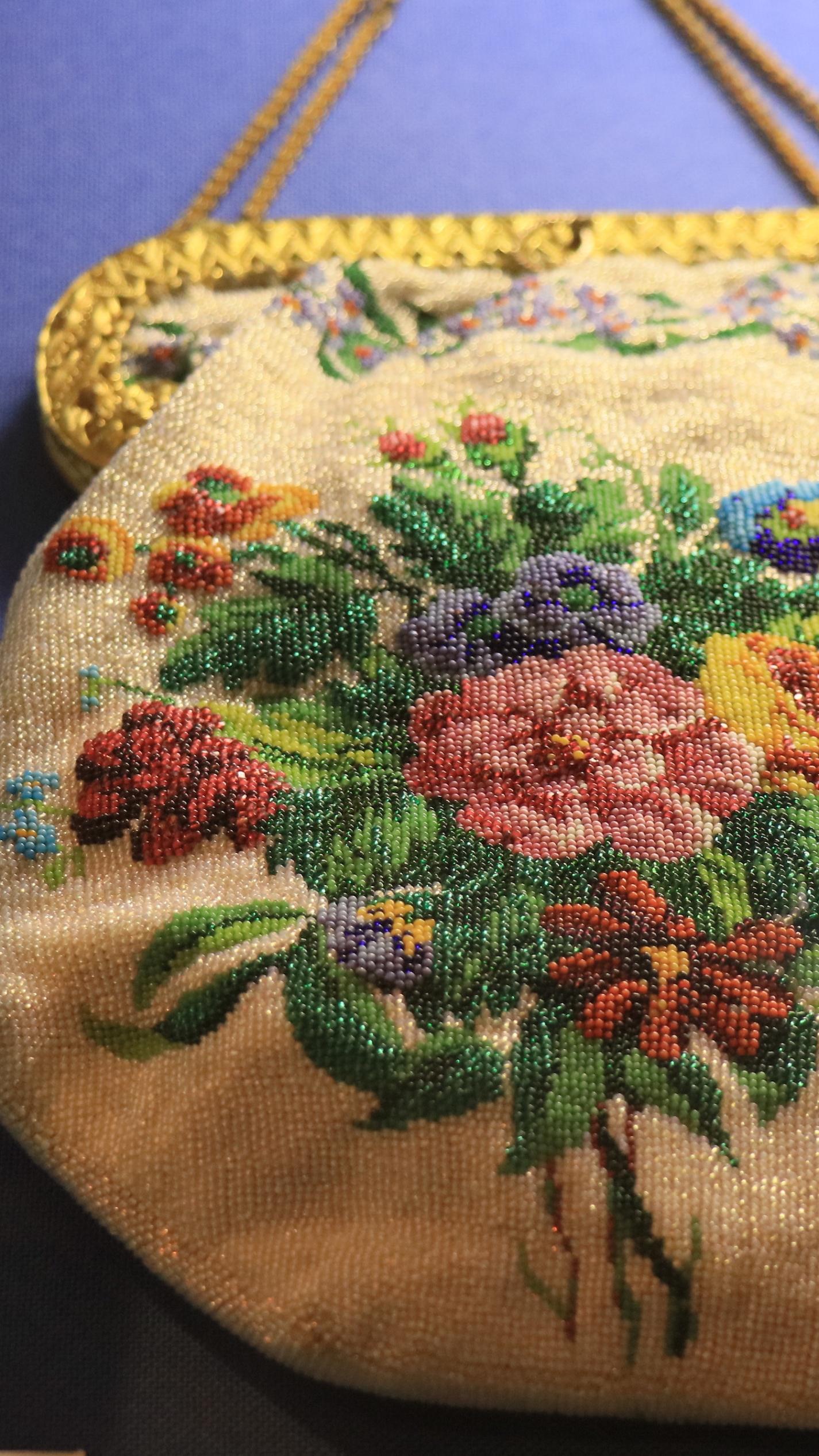
The fashion for “selams” — interpretations of the symbolic meanings of flowers — came to Europe from Persia in the 18th century. “Flower dictionaries” devoted to the secret language of flowers were widely published in France and Victorian England. The exhibition takes its name from the book “Selam, or the Language of Flowers” by the Russian poet D.P. Oznobishin (1804–1877), published in 1830 in St. Petersburg. The author presented about 400 flower meanings, which were not scientific but rather fanciful associations. The book was very popular among the fashionable youth. Oznobishin also popularized a parlour game called “Flirt of Flowers.” Such a 19th-century card-based parlor game will be on display at the exhibition. The exhibition will feature around 200 decorative-applied and fine art objects from the 19th–20th centuries from the collection of the State Museum of the History of St. Petersburg: paintings and graphic works, furniture, bronze items, porcelain, costumes and textiles, and accessories (fans and handbags) with floral motifs. The centerpiece is a flower album (florilegium) by the French artist Pierre-Joseph Redouté (1759–1840). His botanical illustrations are noted for the delicacy of their drawing and their scientific accuracy. Redouté was the court artist to Queen Marie Antoinette and was nicknamed the “Raphael of flowers.” Many works will be exhibited to the public for the first time. These include the watercolor toy-book “Bouquet” by Tatyana Glebova, the color lithograph “Still Life” by N. A. Tyrsa, curtains with a lambrequin and floral embroidery, and a large beaded tablecloth dating from the 1850s–1870s.
