Sign up
You have successfully registered, a confirmation email has been sent to the email address you provided.

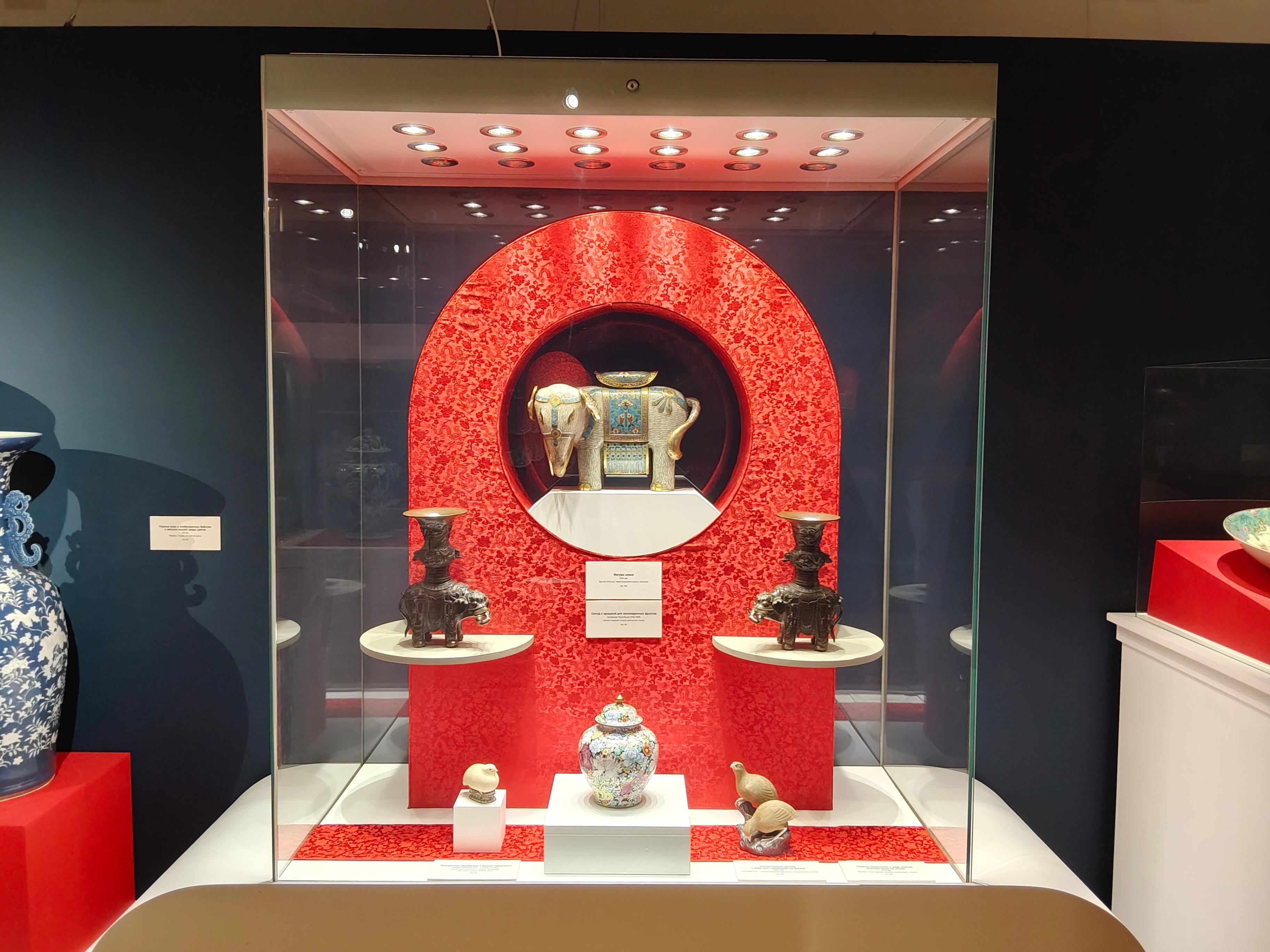
Contents of the exhibition: over 200 items from the Department of the East of the State Hermitage: nianhua (popular printed pictures), as well as decorative and applied arts — porcelain, cloisonné and painted enamels, metalwork, carvings in jade, wood, ivory and lacquer, inlaid furniture, silk garments, textiles and embroideries. The exhibition introduces the symbolism of Qing-era Chinese art (1644–1912) — the hidden, intricate language through which China’s material cultural monuments speak to their viewers. This symbolism reveals ideas about the most coveted "Five Happinesses" for the people of the Middle Kingdom — well-being, career success, wealth, longevity, and conjugal joy. The displayed objects, which illustrate the rich tradition of encoding well-wishes in works of art, could serve as gifts or as decorations in a wealthy home; popular prints were part of the ritual of renewing the household for the New Year. For children and adults the exhibition features engaging interactive zones that help visitors immerse themselves in the world of the Middle Kingdom and experience its characteristic smells and sounds.
