Sign up
You have successfully registered, a confirmation email has been sent to the email address you provided.

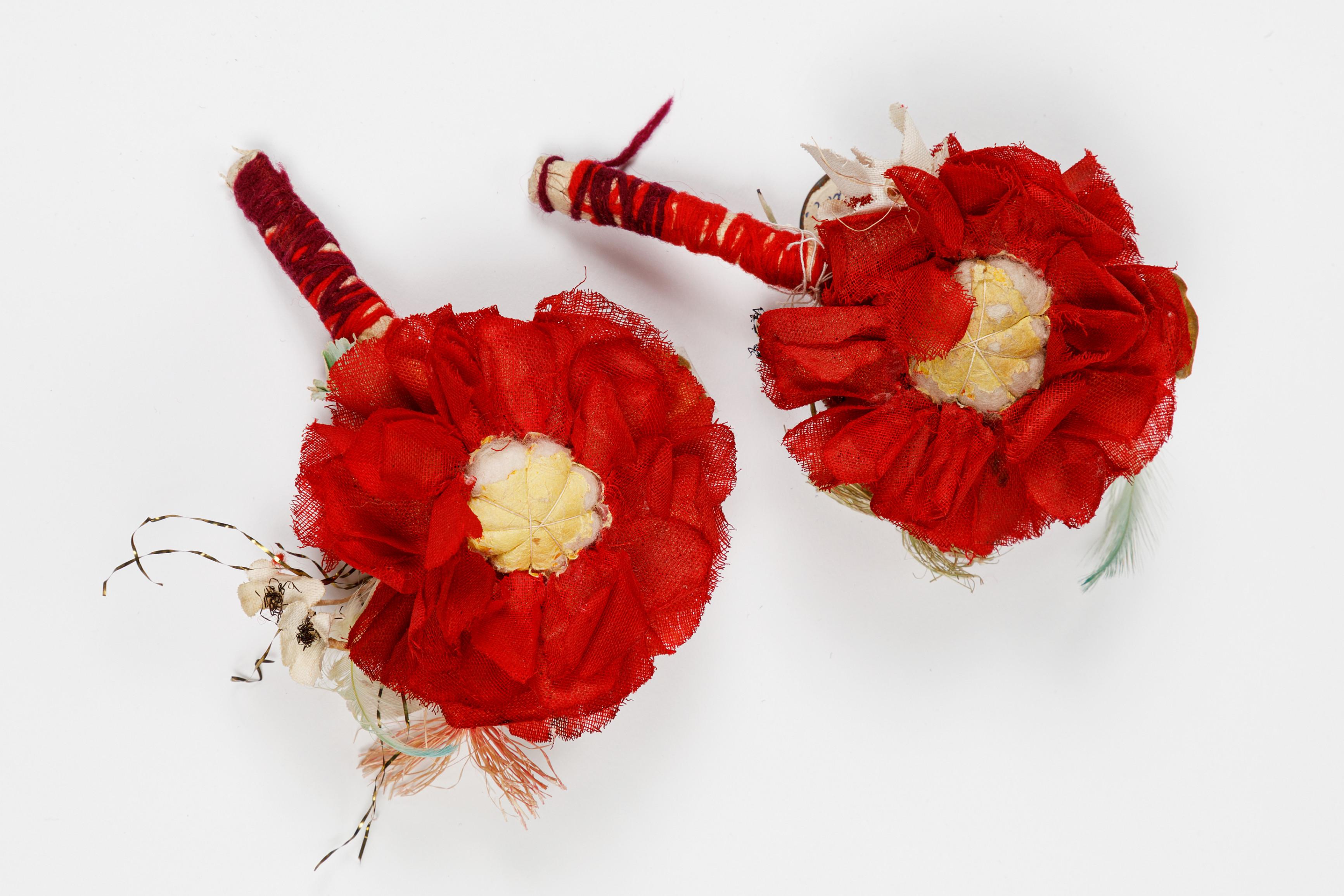
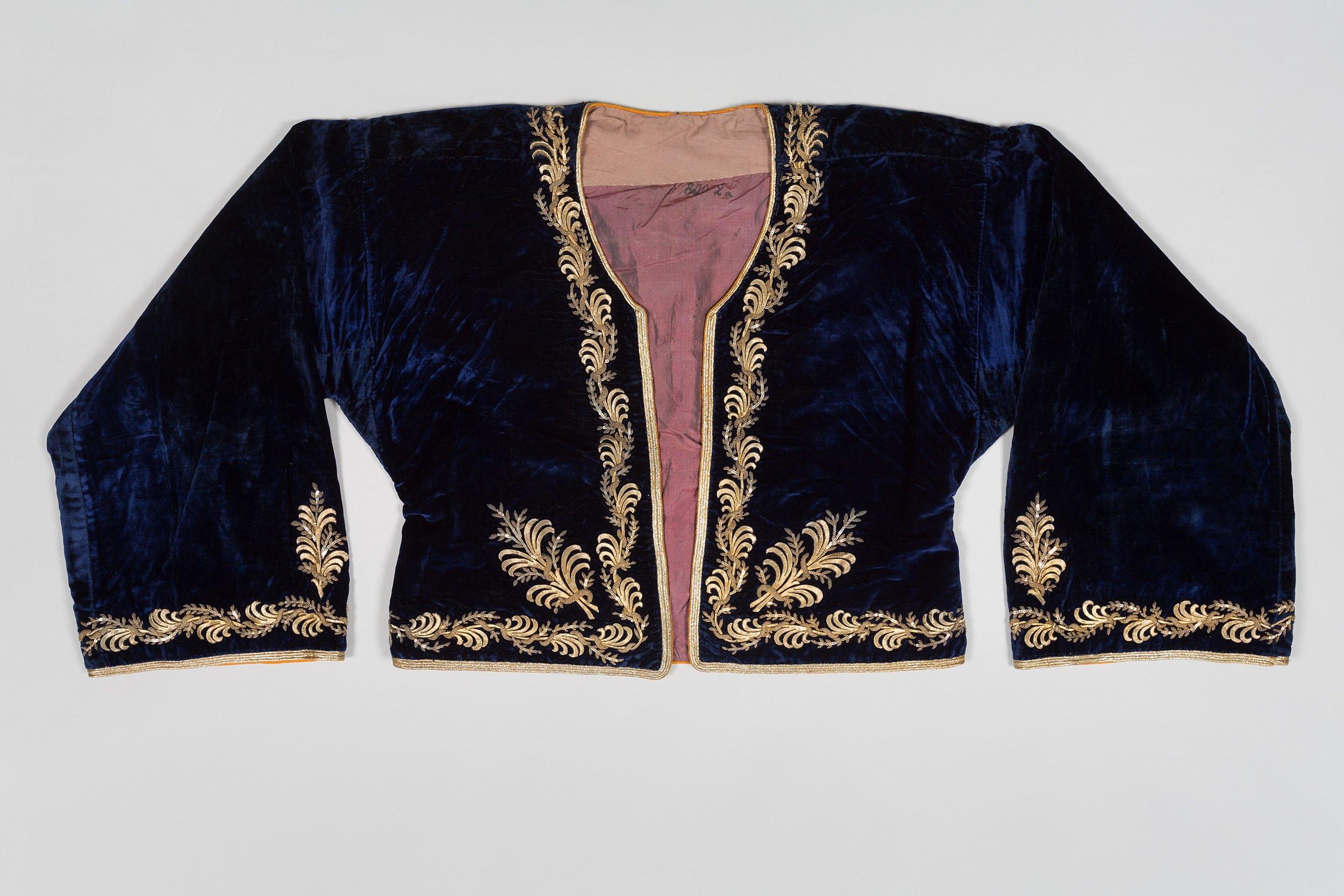
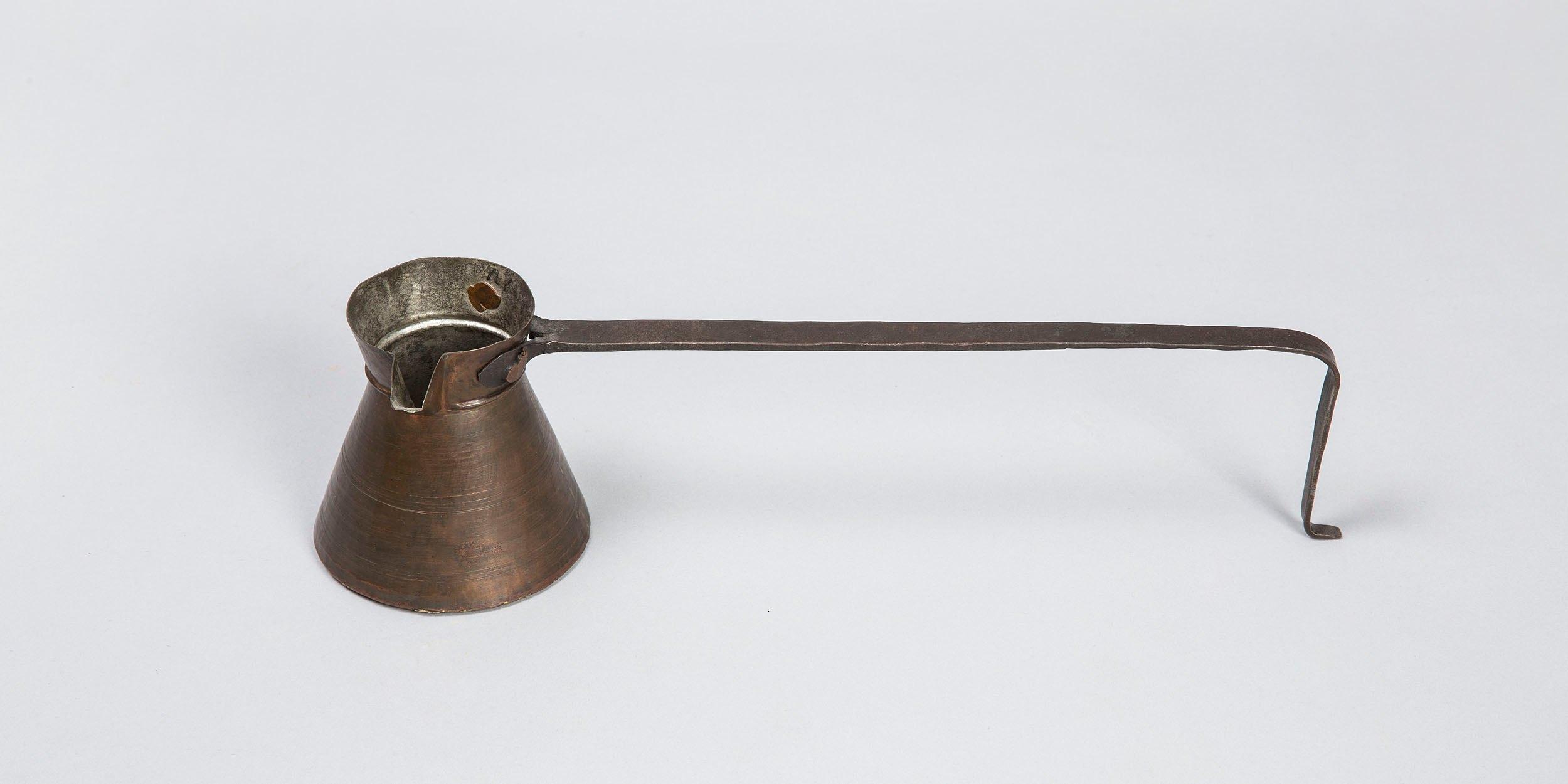
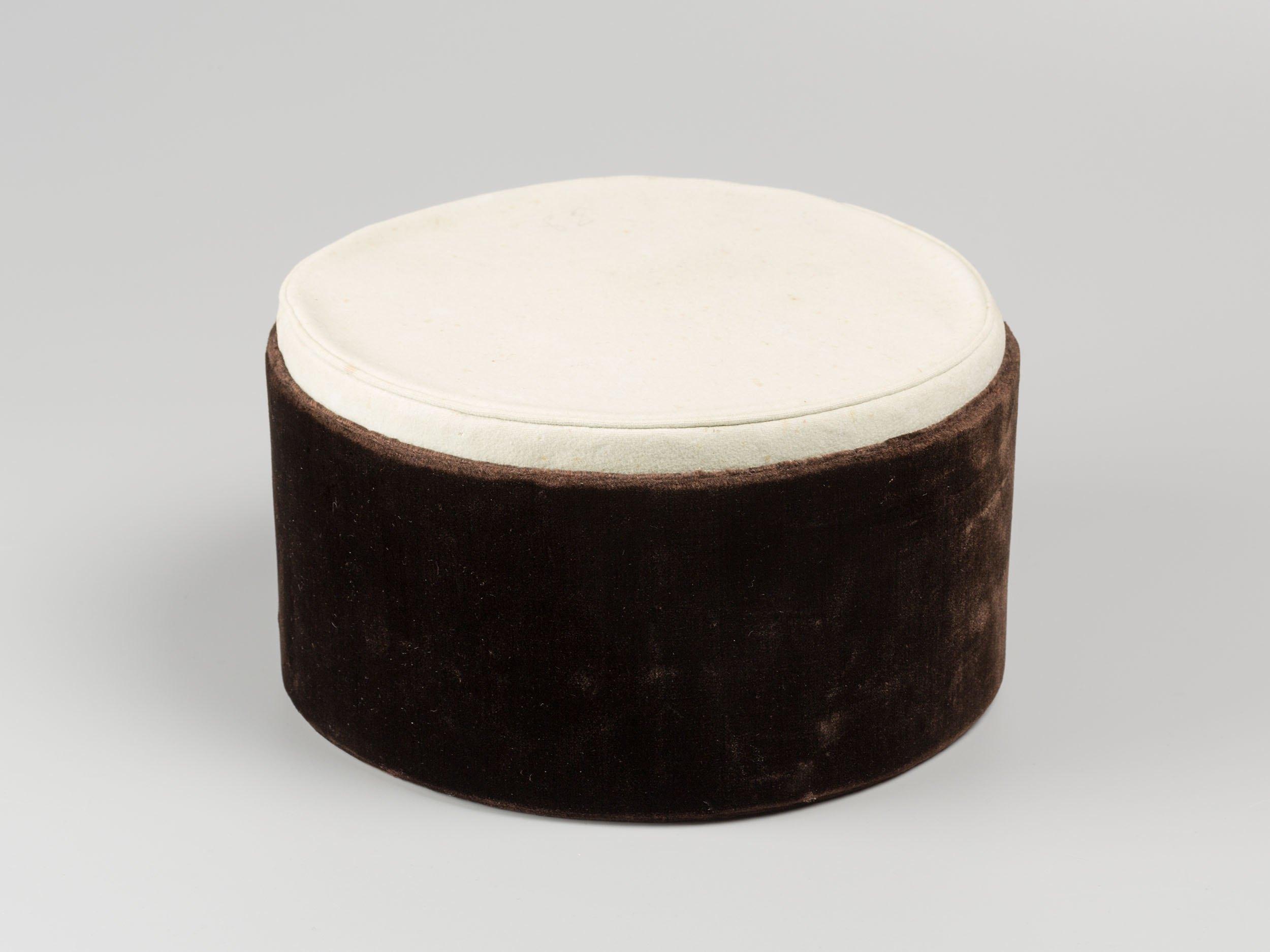
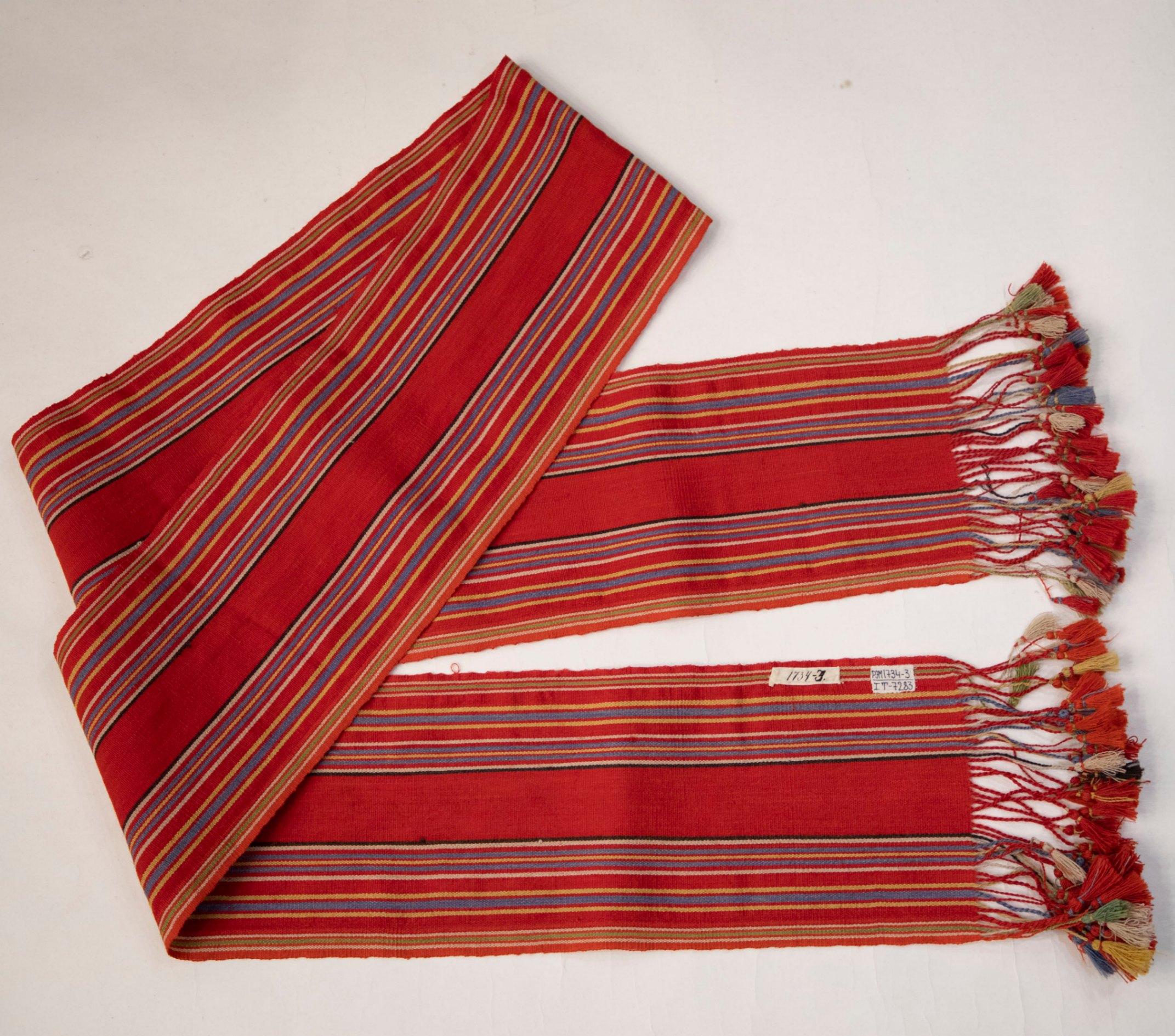
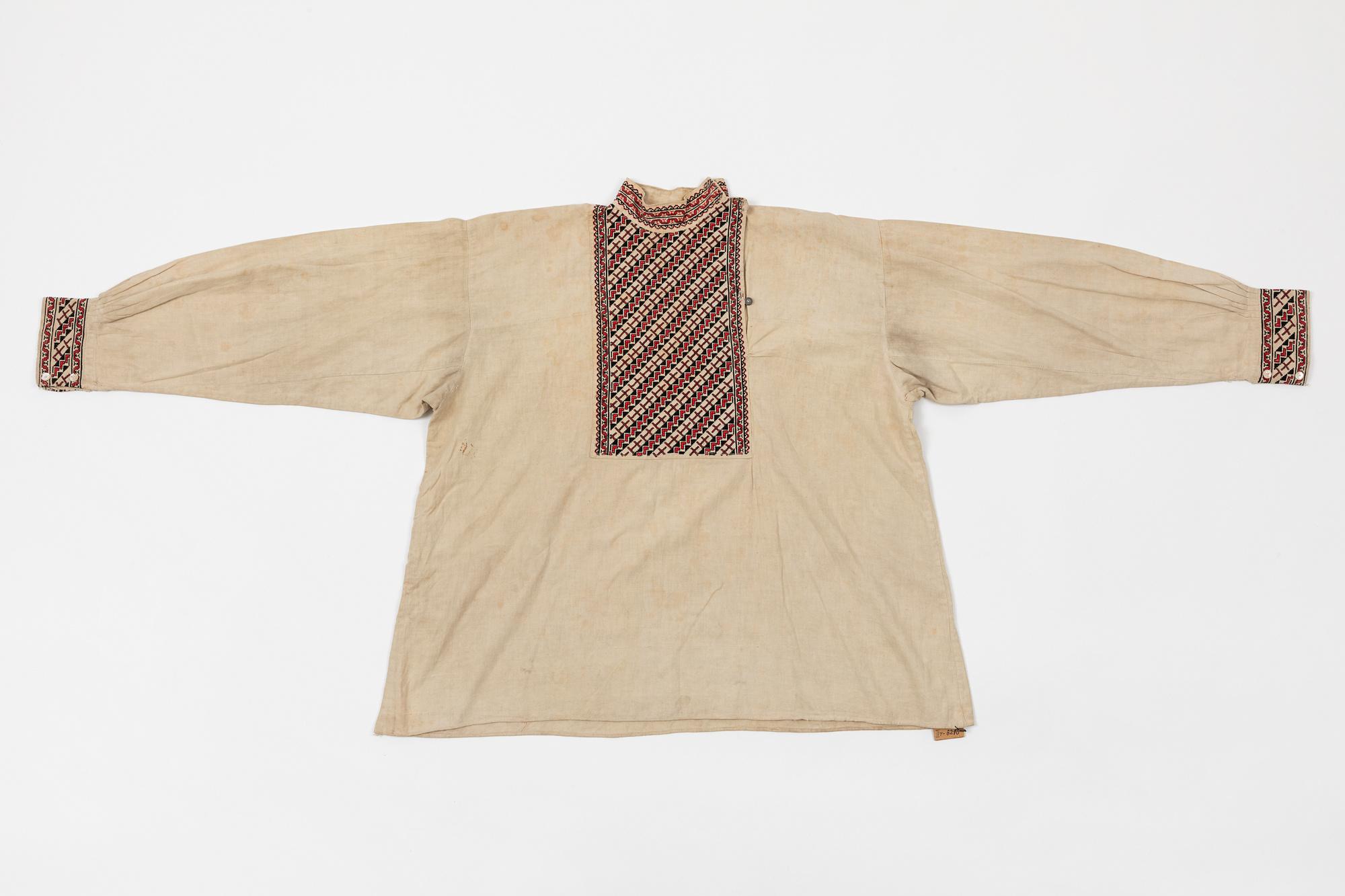
The exhibition presents the multinational culture of Crimea — a region with a rich history and extensive cultural heritage. Its primary aim is to reflect the regional culture of the late 19th–early 20th centuries, which developed through a synthesis of the traditions of Greek, Turkic, Armenian, Germanic, Romance and Slavic peoples who migrated to these territories at different times. For the first time in ethnographic exhibition practice, features characterizing Crimea in a civilizational sense are identified and represented. The overarching theme of interethnic interaction is explored in dialectical relation to the cultural particularities of the peoples who made Crimea their homeland. The cultural monuments of Crimea’s multinational population are an important part of the shared historical heritage of the peoples of Russia. The exhibition displays more than 250 artifacts of the traditional culture of the peoples of Crimea from the collections of the Russian Ethnographic Museum. These include costume ensembles of Crimean Tatars, Krymchaks, Greeks, Bulgarians, Russians and Ukrainians; examples of hammered copperware, jewelry, shoemaking and pottery crafts; richly decorated household textiles — towels, bedspreads and pillowcases; and ritual objects that reflect Crimea’s uniquely complex religious landscape.
