Sign up
You have successfully registered, a confirmation email has been sent to the email address you provided.

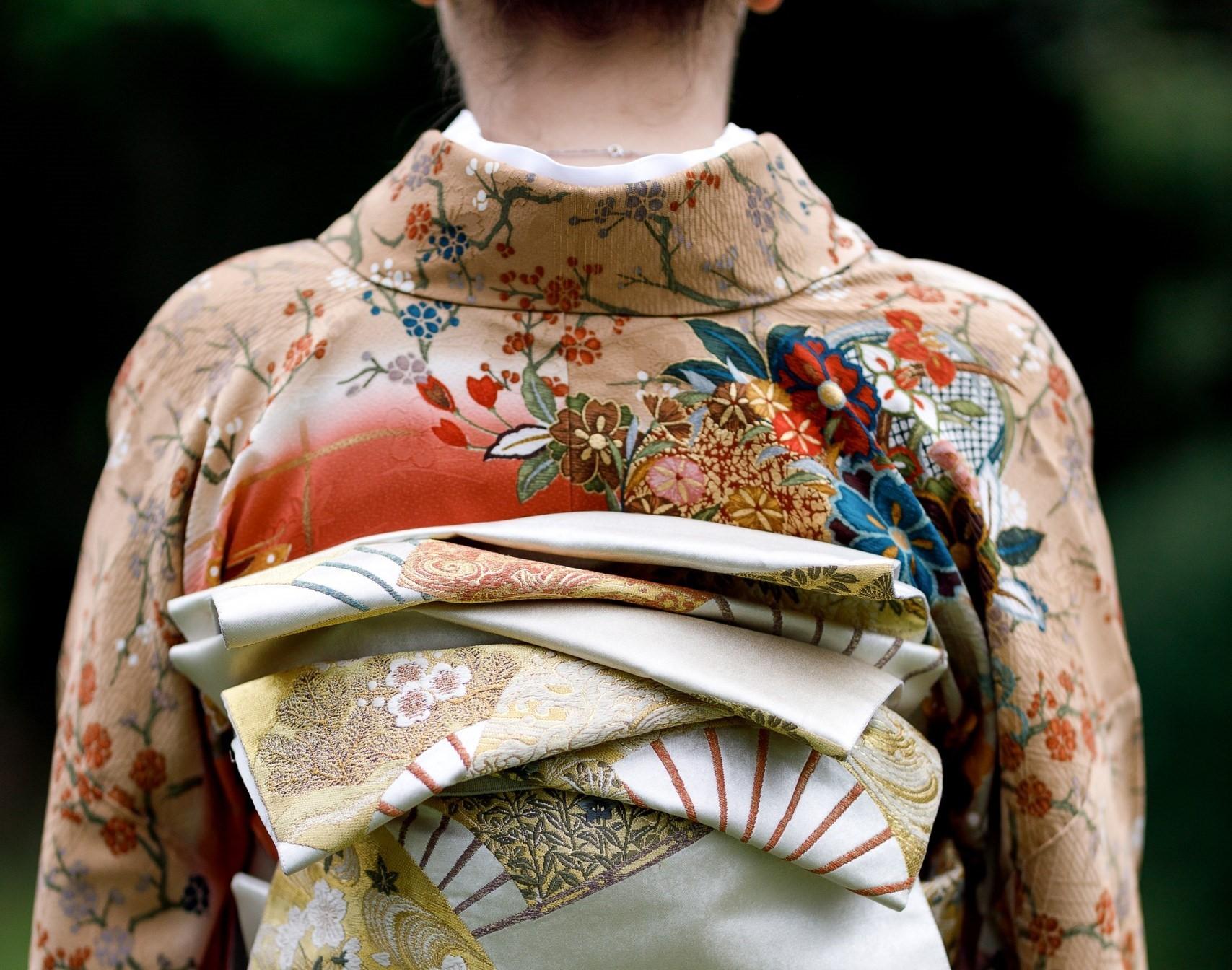
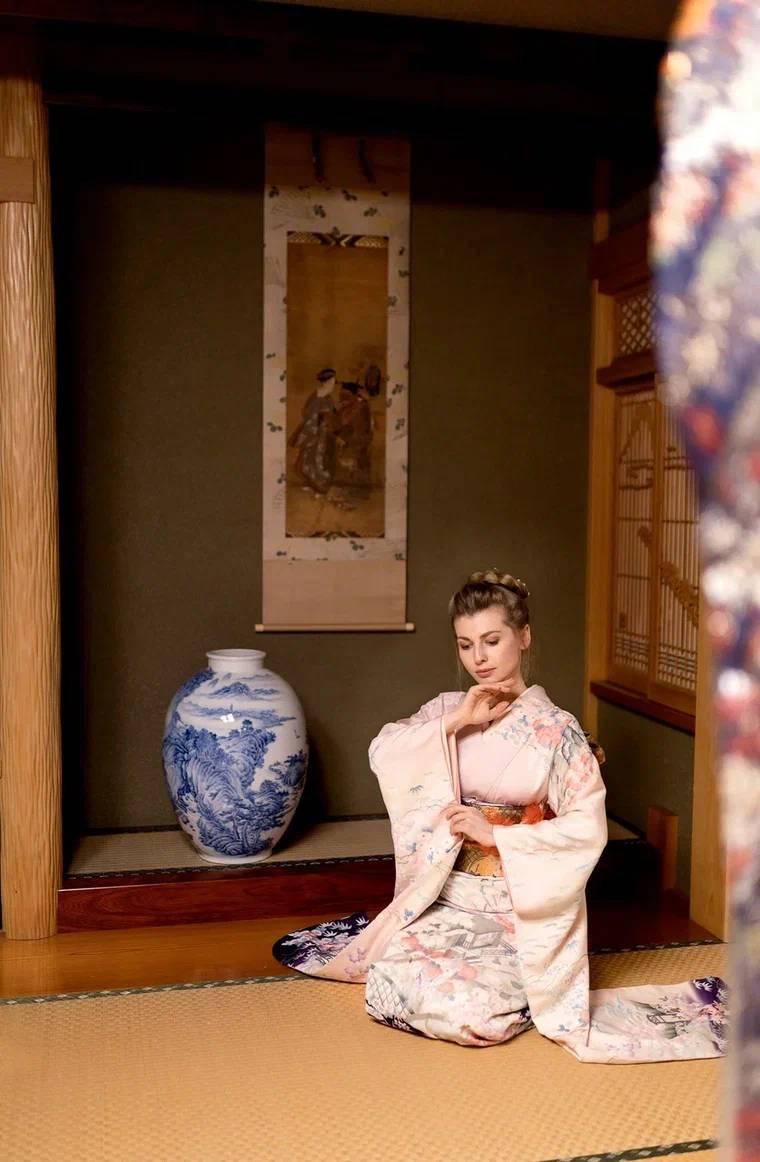
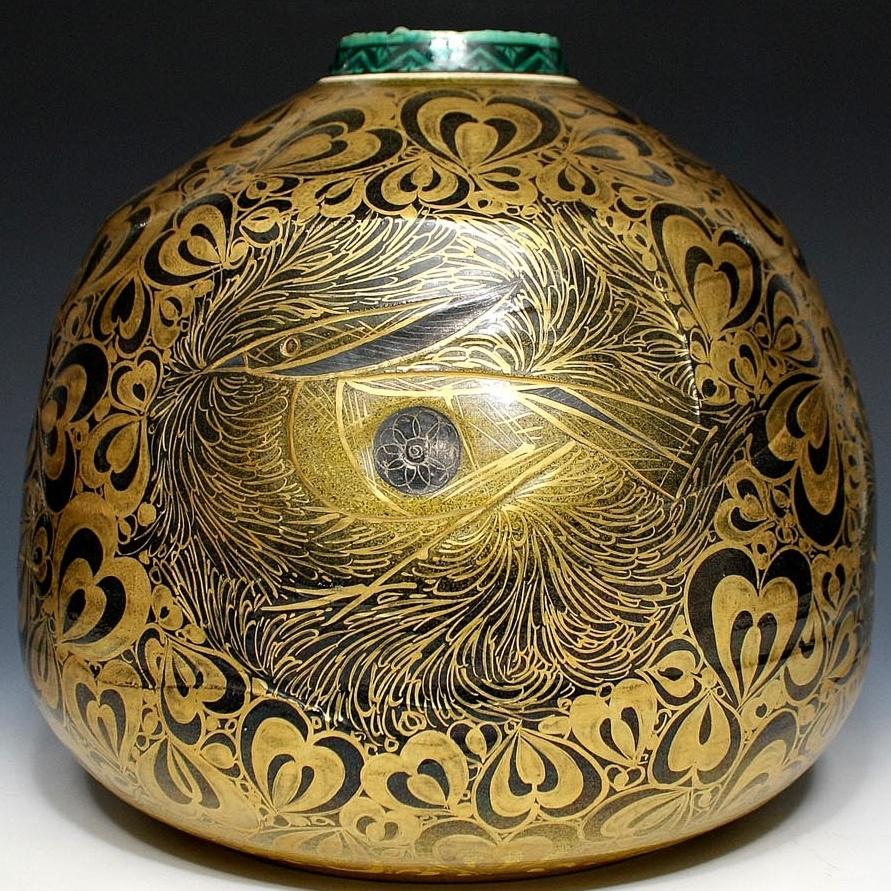
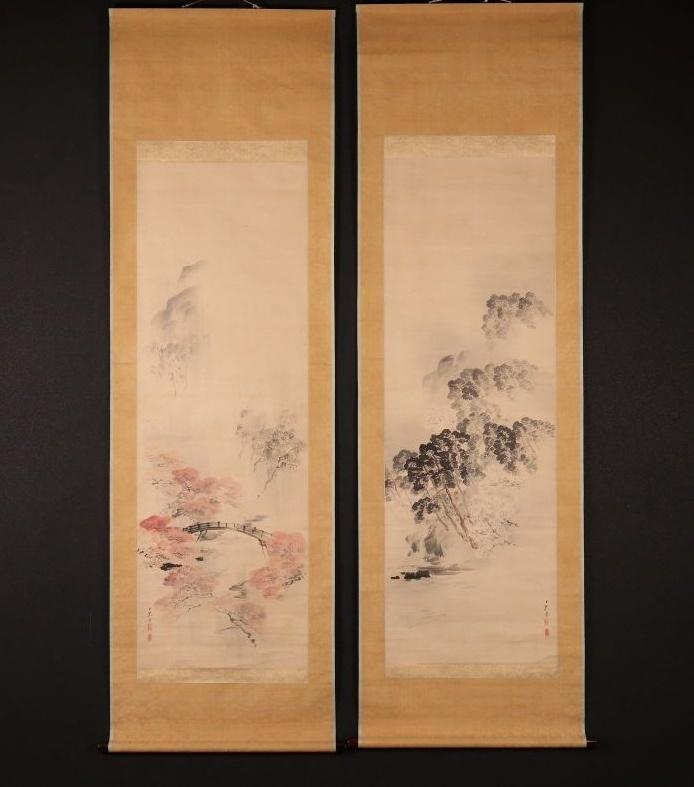
In Japanese culture each season is perceived as a distinct stage of life, closely connected with natural symbolism. Reflections of seasonal change can be found in the 20th-century kimonos and haori shown at the exhibition. The traditional garments are made of natural silk and cotton, decorated with painting and gold-thread embroidery. Symbolism is also evident in traditional silk sashes, decorative fans, and dolls. Picturesque Japanese landscapes were captured by contemporary Russian photographers working in Japan—their works complement the exhibition. Depending on the season, even the interior was traditionally changed. The exhibition displays scrolls by Japanese artists of the 19th-20th centuries, which were customarily used to decorate home interiors. Porcelain and ceramics of the 20th century, created by Japanese masters in various techniques, hold a special place: from austere unglazed Bizen ware to the bright multicolored Kutani painting.
