





Sign up
You have successfully registered, a confirmation email has been sent to the email address you provided.

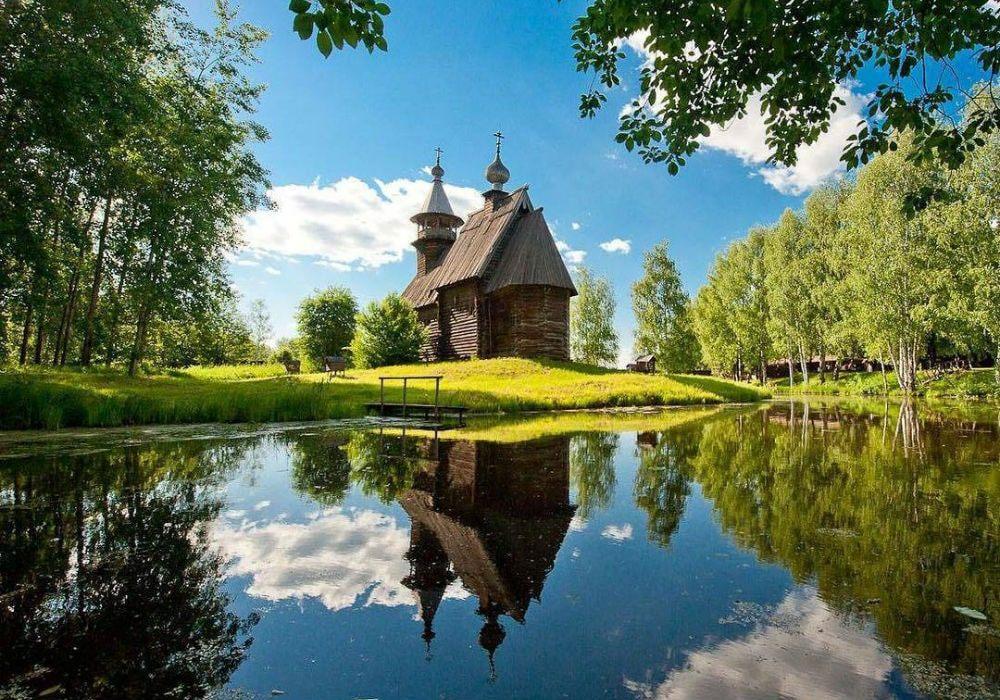
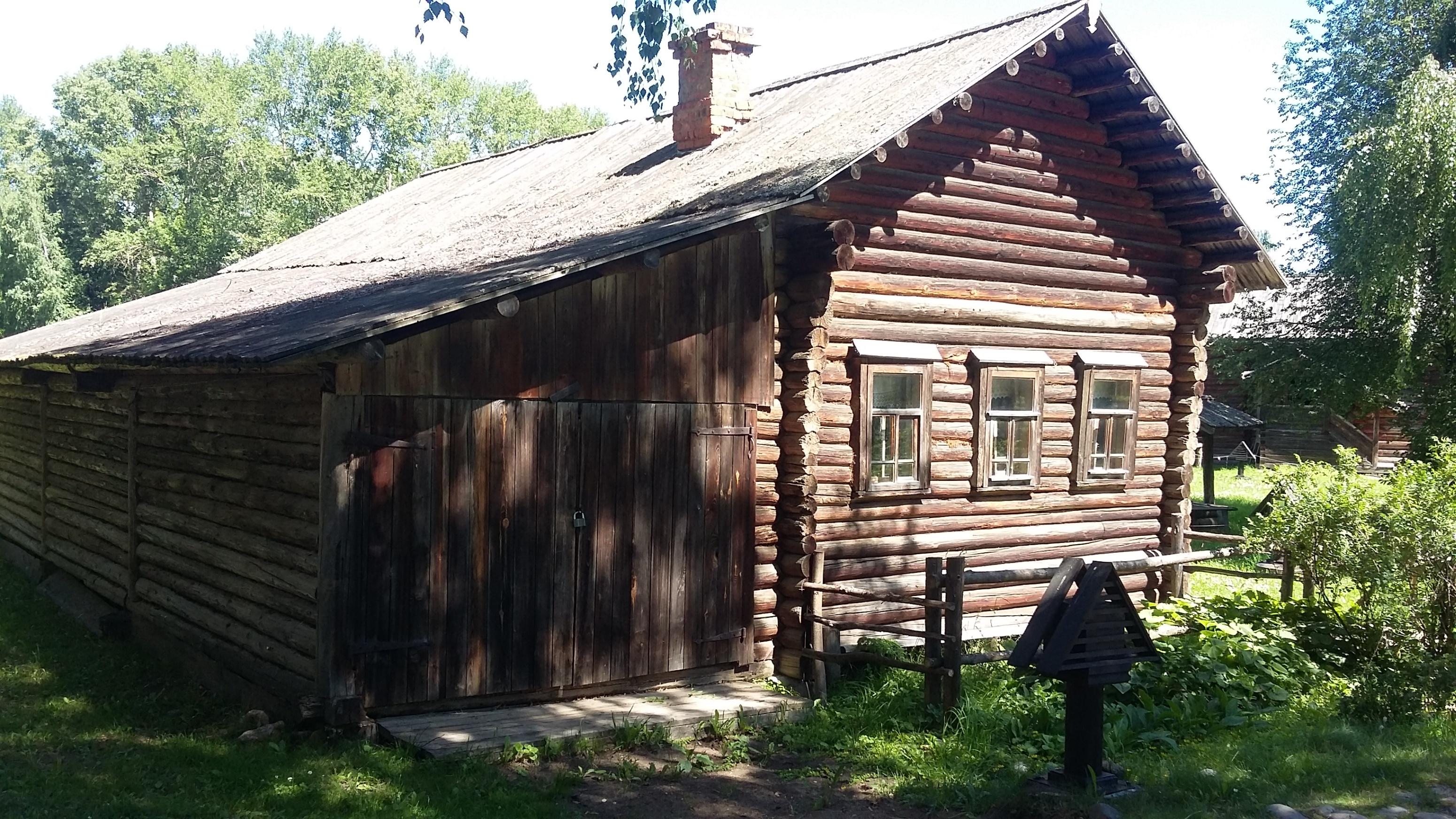
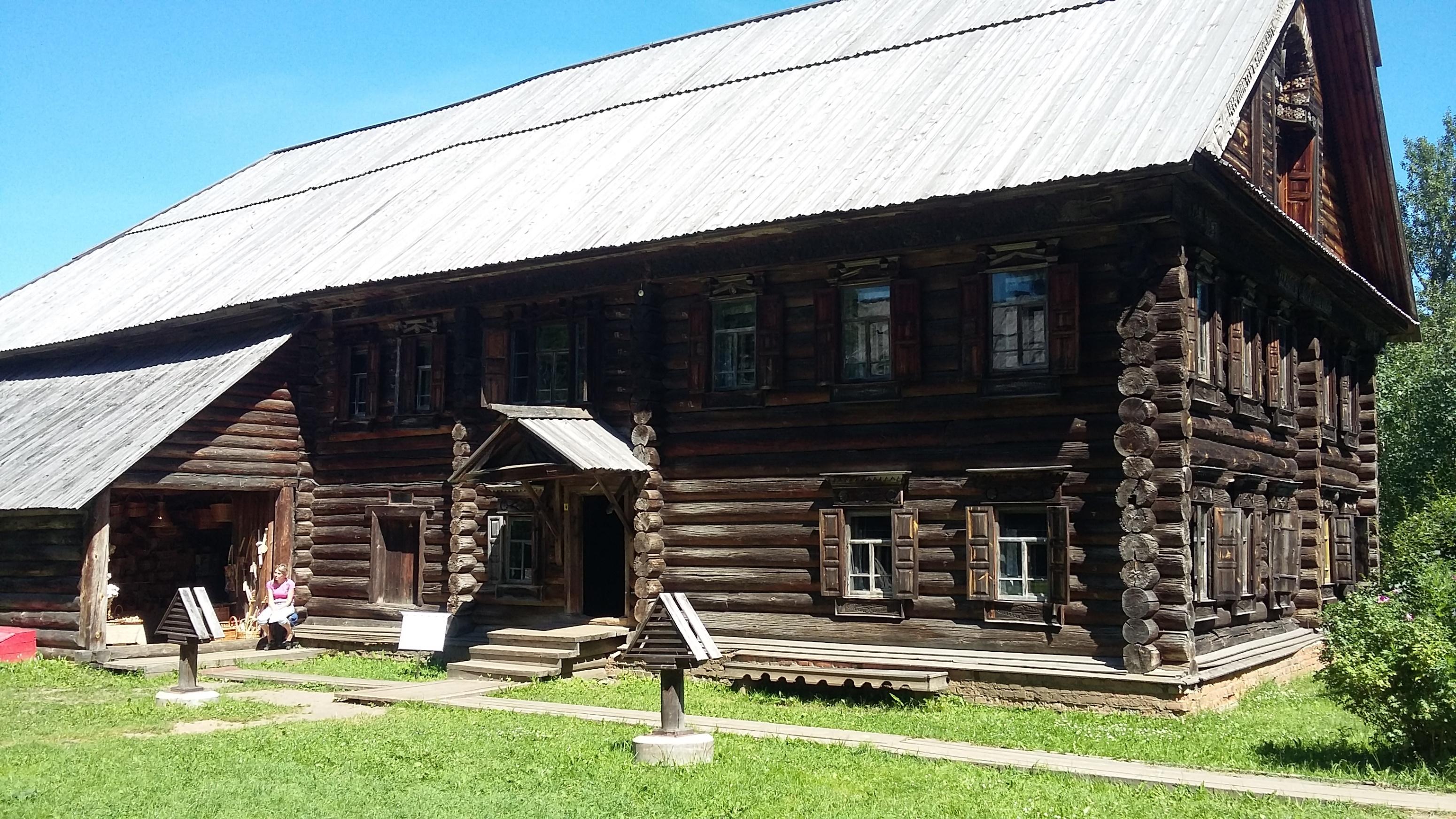
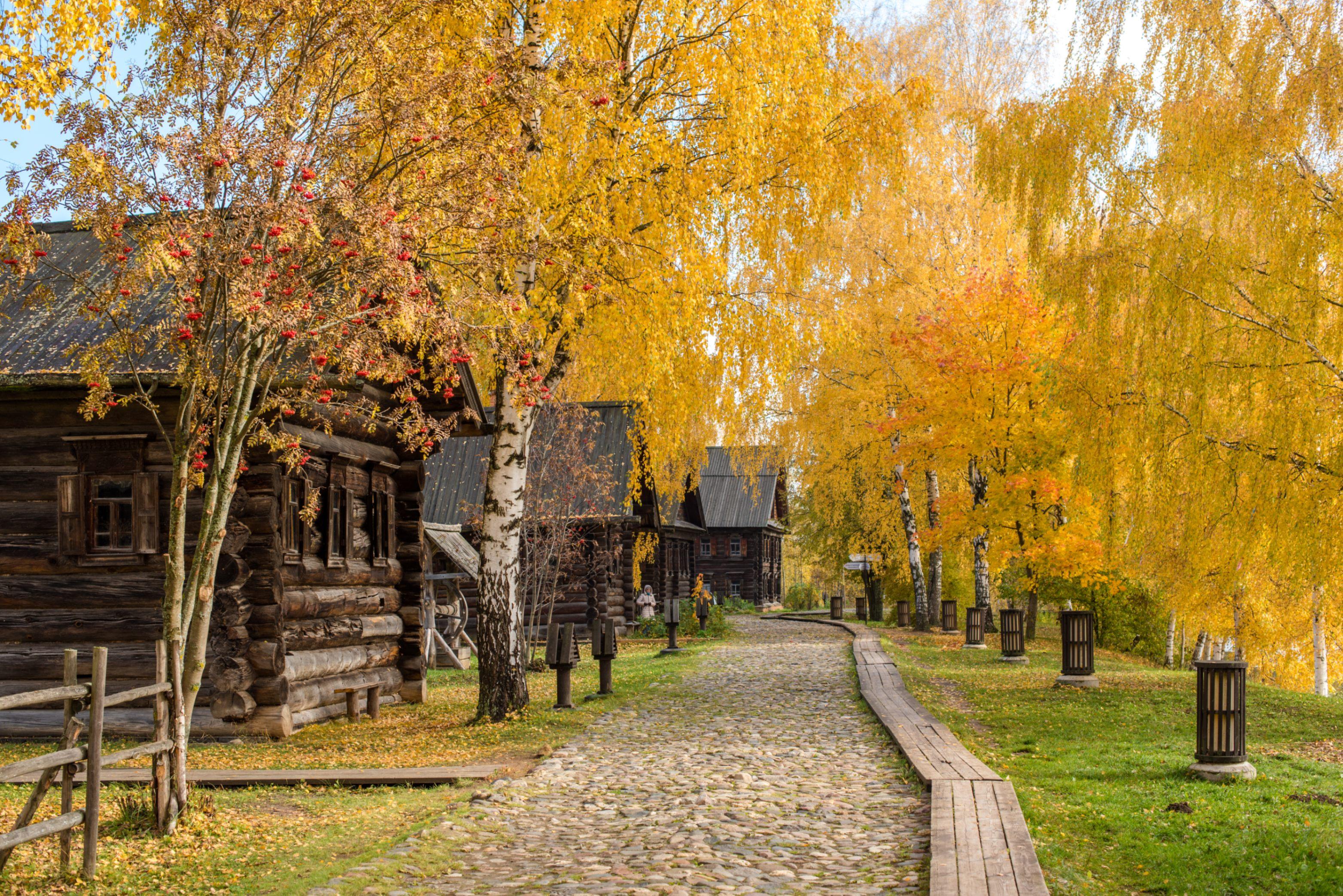
The Kostroma Museum of Wooden Architecture is located at the confluence of the Volga and Kostroma rivers. In the villages of that area there were unique wooden structures — a twenty-four-pile Church of the Transfiguration of the Savior (1713) from the village of Spas Vezhi and piled “black” (smoke) bathhouses from the village of Vederki, which constituted a cultural phenomenon of peasant architectural heritage. To preserve these monuments for future generations, they were moved in 1955 to the grounds of the Kostroma Museum-Reserve located within the walls of the Ipatiev Monastery. In the early 1960s monuments of vernacular architecture from more remote villages of the Kostroma region were brought in and installed. These include, above all, the Church of the Mother of God (1700) from the village of Kholm in the Galichsky District, the peasant house of Ershov from the Mezhevsky District, and others. The first monument placed on the former flooded monastery meadows was the Church of the All-Merciful Savior (1712) from the village of Fominskoye in the Kostroma District. To the right of the church, beyond the grove, post mills from the Soligalichsky District were installed, and along the left bank of the Igumenka River a village street gradually took shape, consisting of former residential houses of Kostroma peasants.
