

Sign up
You have successfully registered, a confirmation email has been sent to the email address you provided.

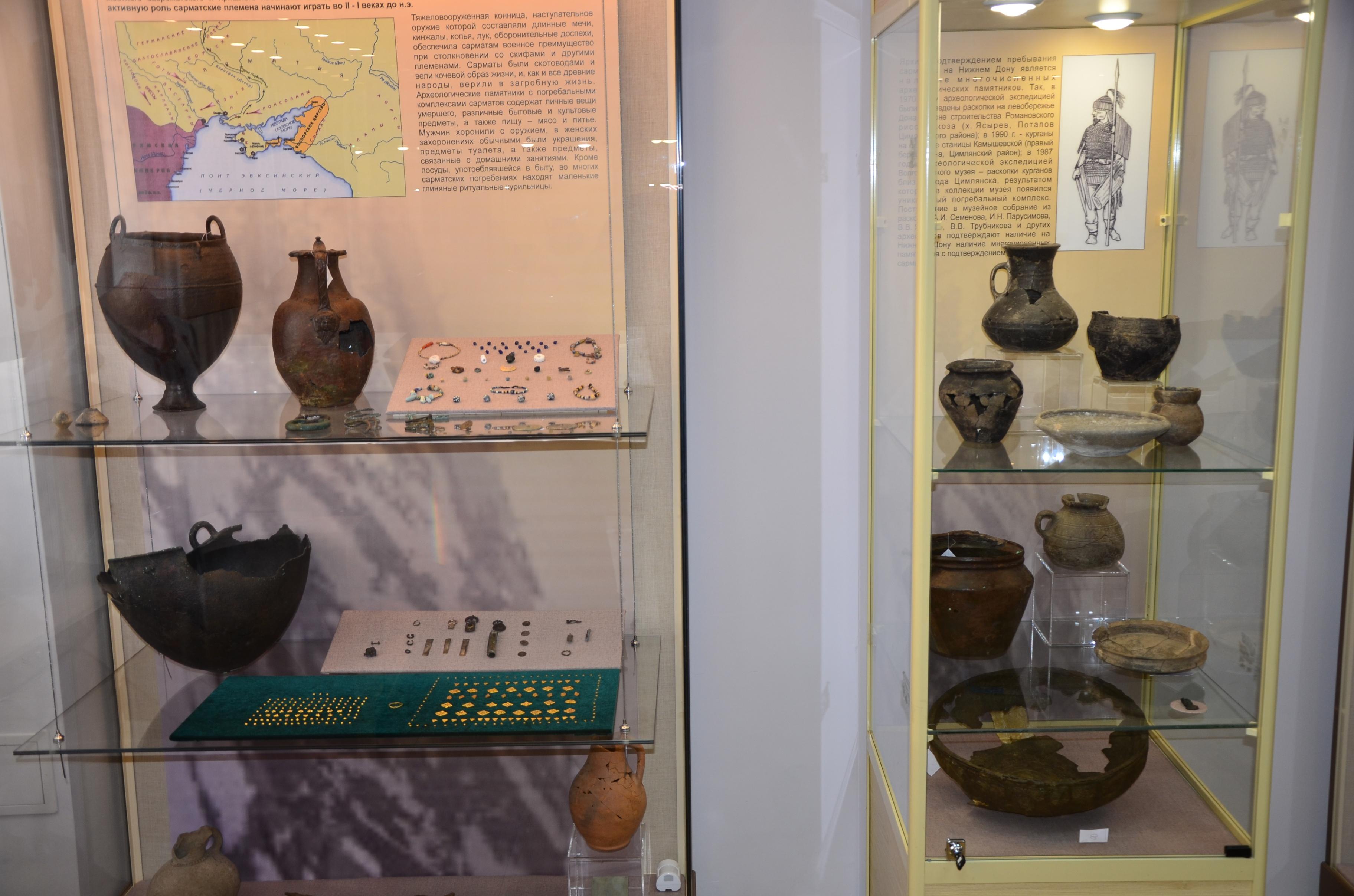
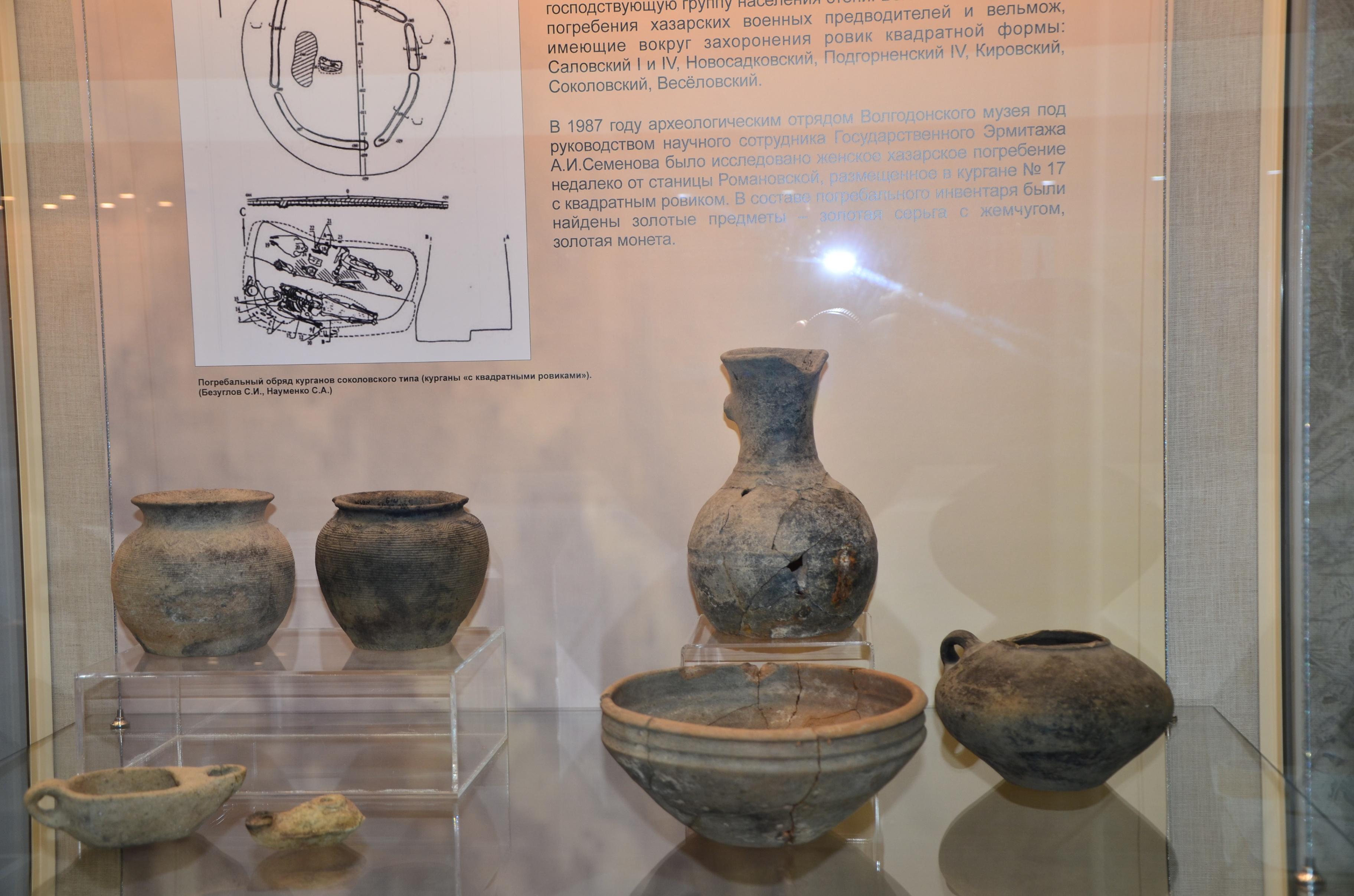
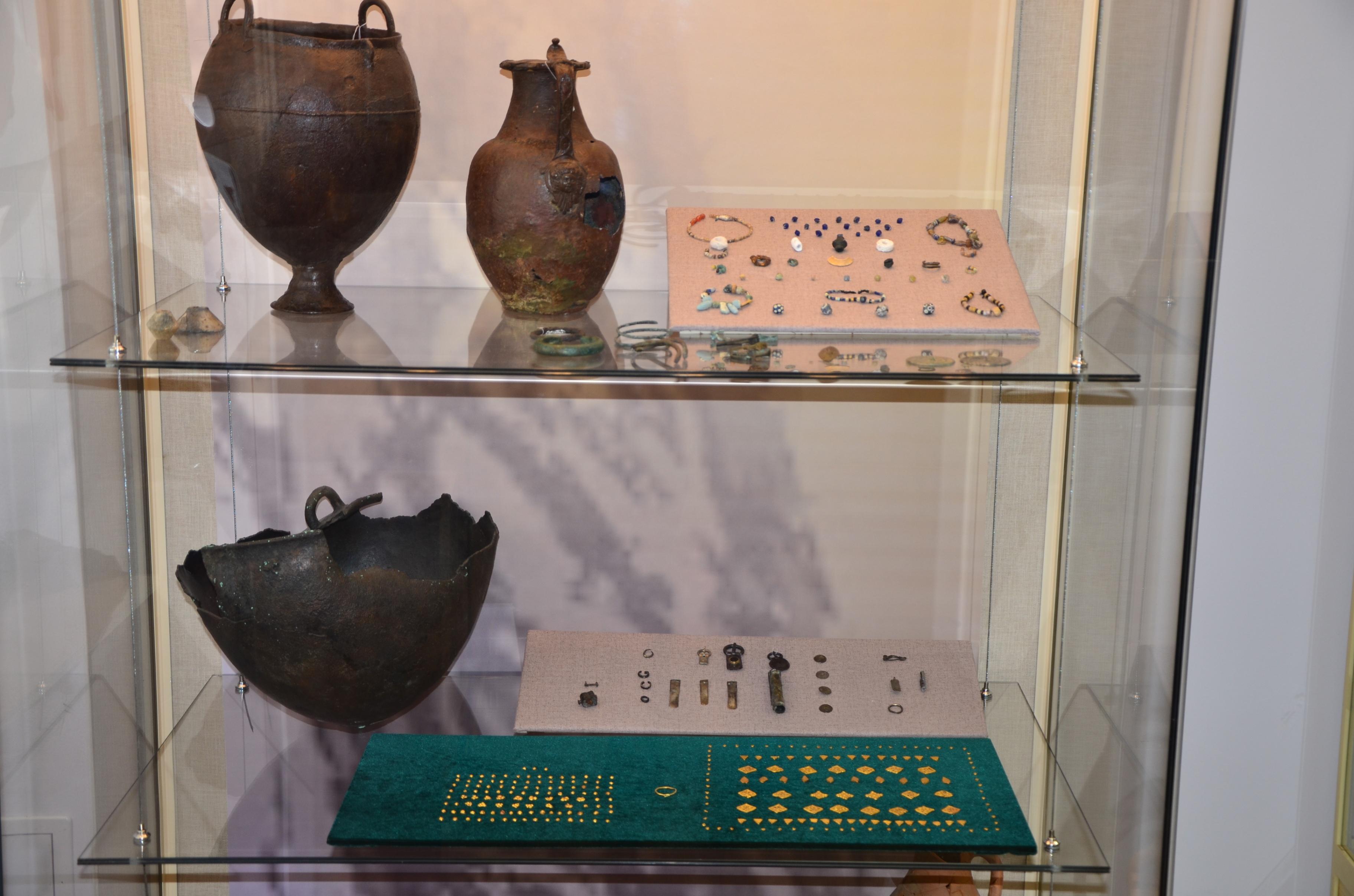
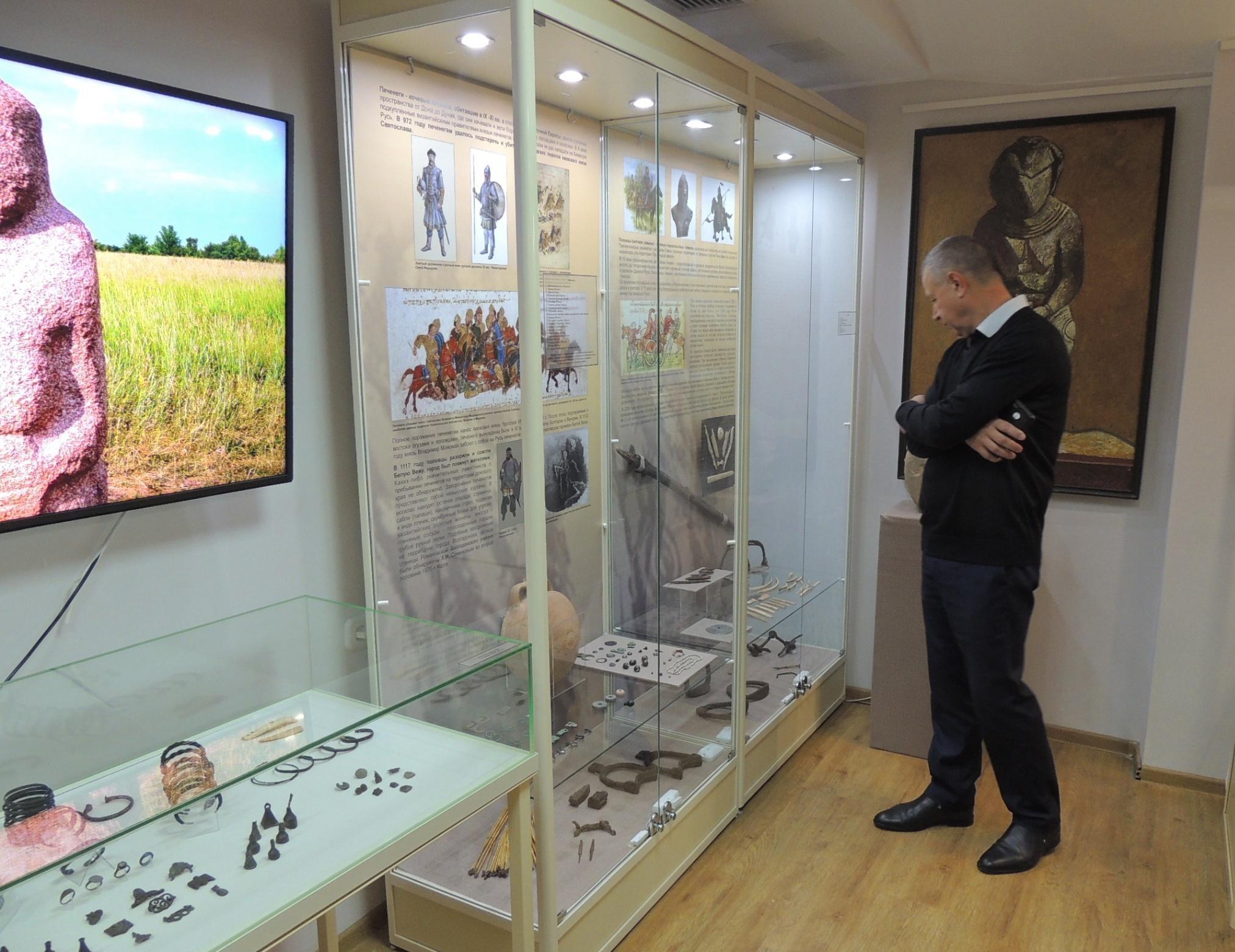
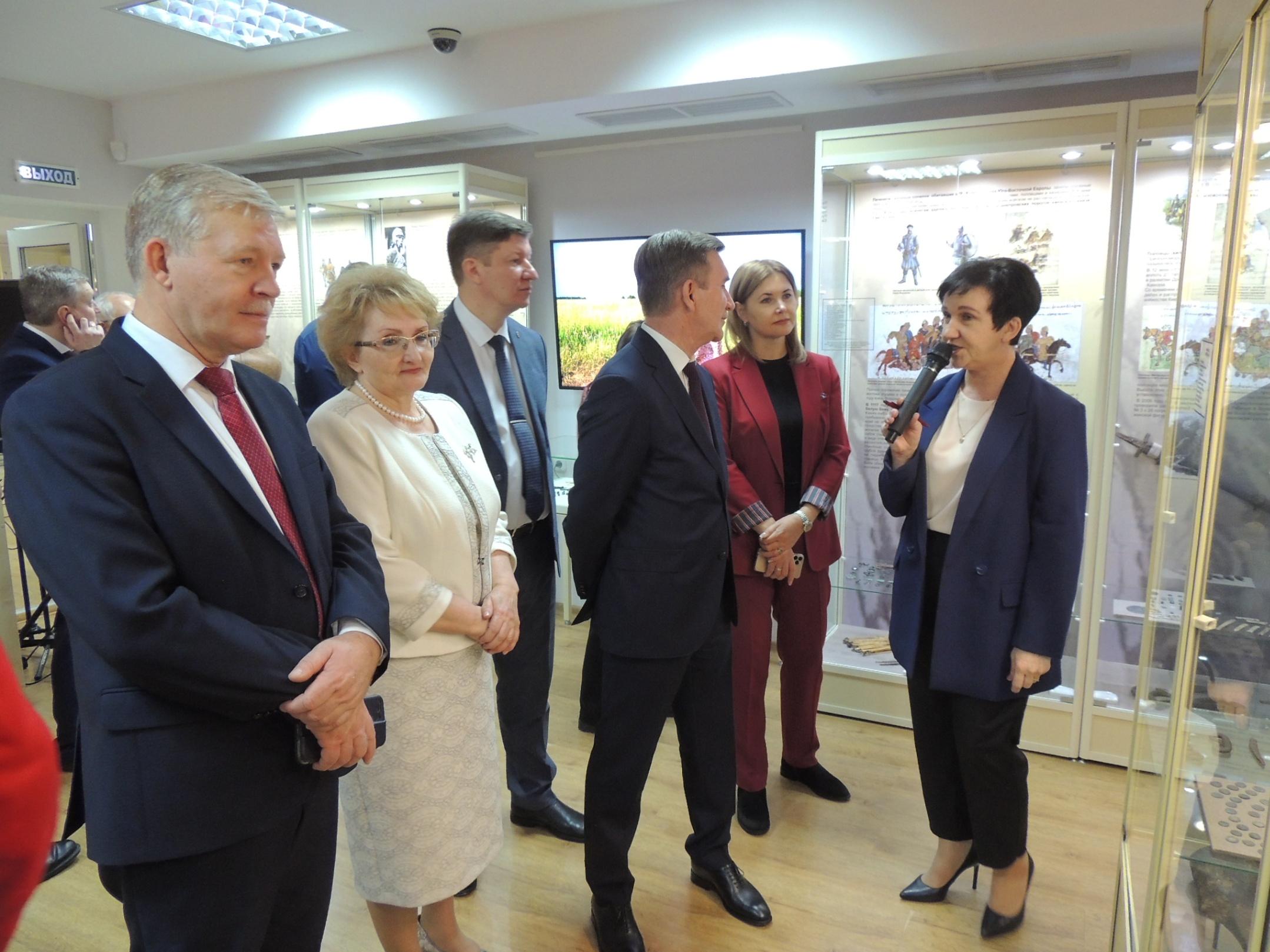
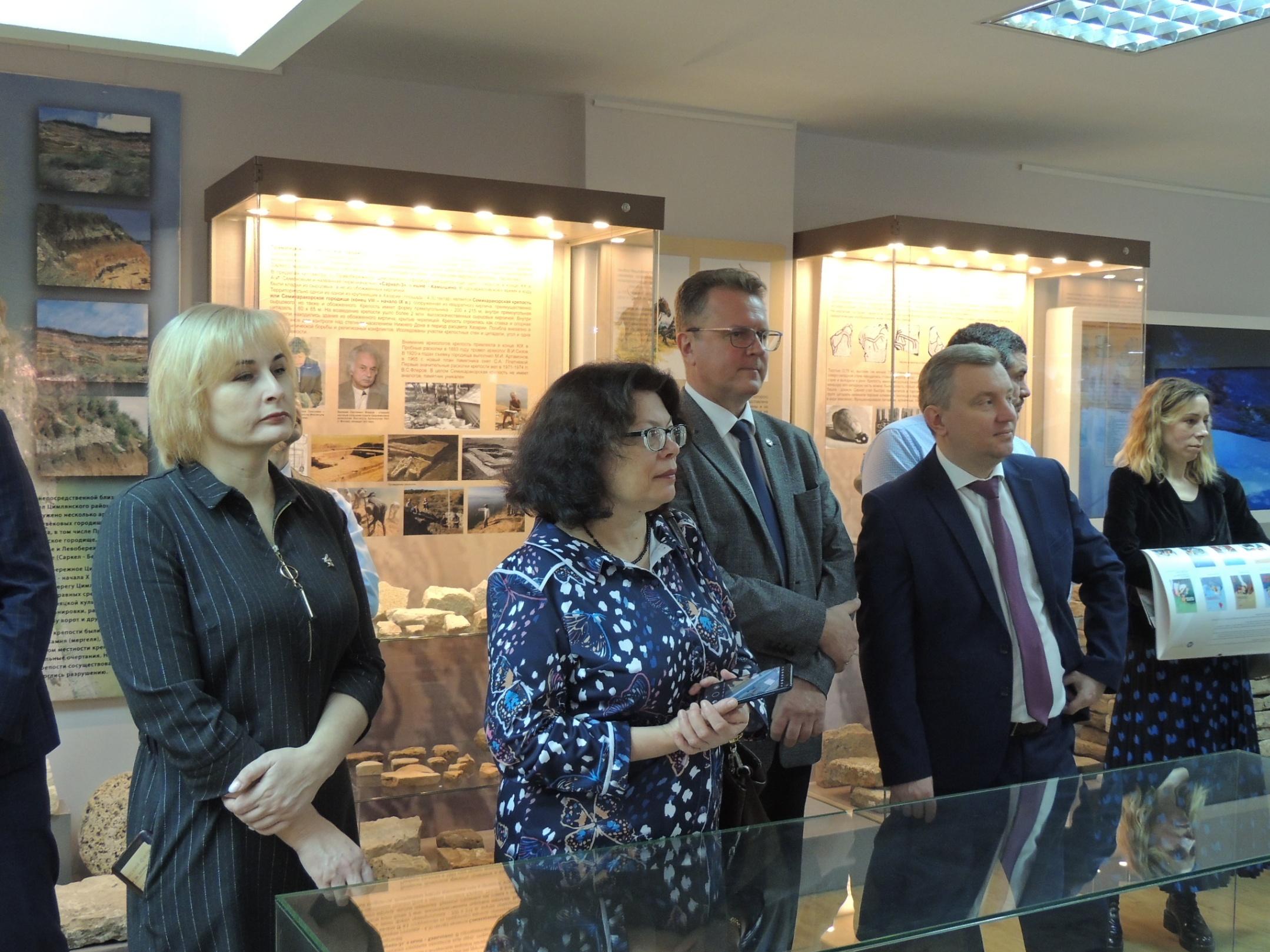
The exhibition presents the results of many years of scientific research by Russian and Don archaeologists, which reliably illustrate pages of the history of the ancient peoples who once inhabited the Don steppes: tribes of the Paleolithic and Neolithic, various Bronze Age cultures, Scythians, Sarmatians, Cimmerians, Huns, Alans, Khazars, Polovtsians, Pechenegs, Tatar-Mongols and many other peoples. The exhibition introduces works by masters of pottery, casting, blacksmithing and jewelry crafts and reveals the secrets of ancient burials, kurgans, hillforts and settlements. Among the exhibits are original household items, weapons and gold ornaments of the steppe nomads, and reconstructions of the military-historical costume and equipment of Scythian and Sarmatian warriors. The jewel of the collection is a very rare, well-preserved wooden sculpture of the 12th–13th centuries from a Polovtsian sanctuary— a burial site near the khutor Ryabichev in the Volgodonsk district of Rostov Oblast. World-renowned historical monuments of federal significance in the Don region—the fortress Sarkel (Belaya Vezha), flooded in the 1950s by the Tsimlyansk Reservoir, and the medieval Khazar fortresses of the Right-Bank Tsimlyanskoye and Semikarakorskoye hillforts—are extensively represented in the exhibition. For the first time, material from long-term underwater and terrestrial archaeological investigations of unique archaeological monuments carried out by the team of the Underwater Archaeological Society (Moscow) is presented. The exhibition is accompanied by extensive video content.
