Sign up
You have successfully registered, a confirmation email has been sent to the email address you provided.

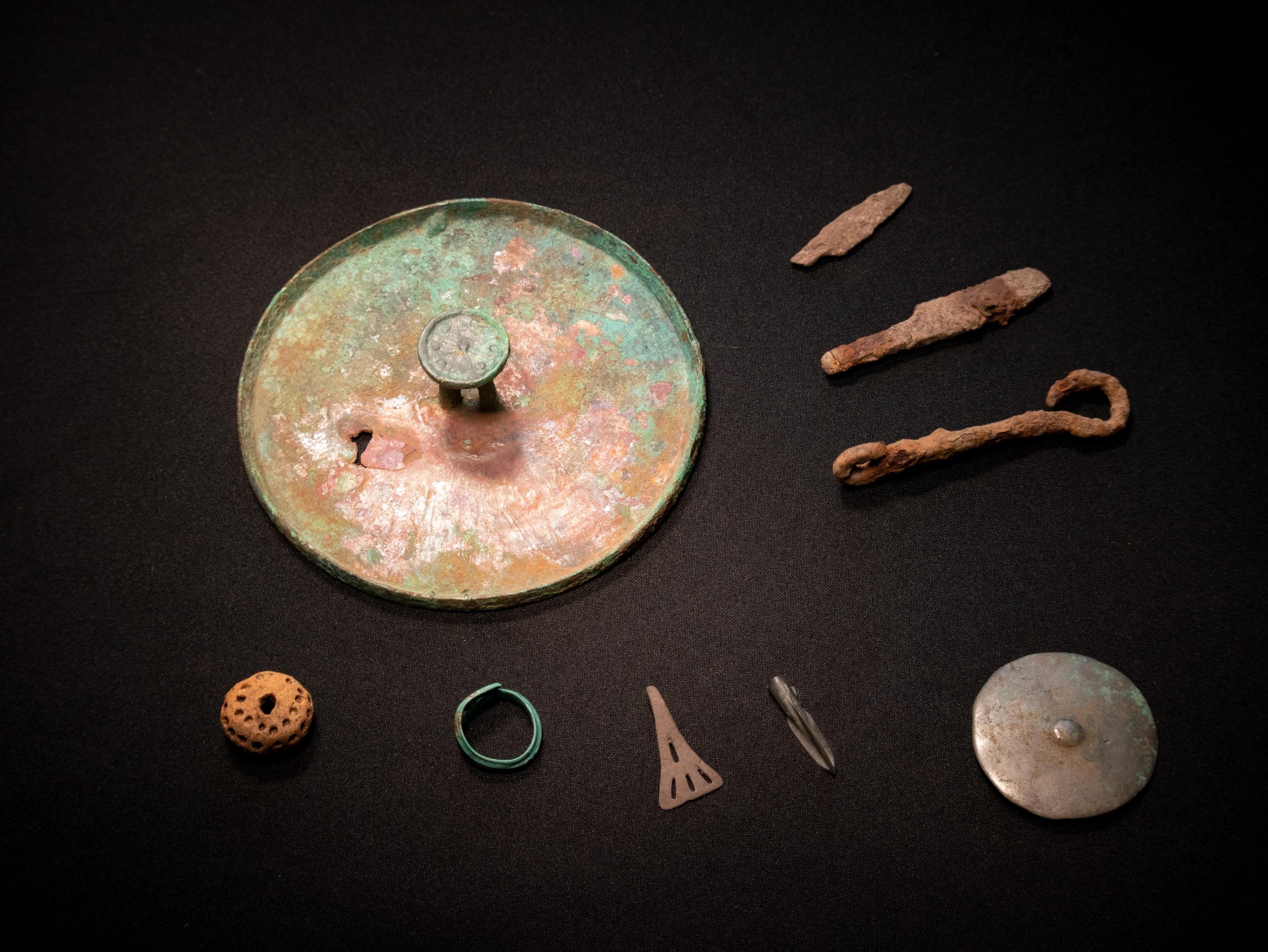
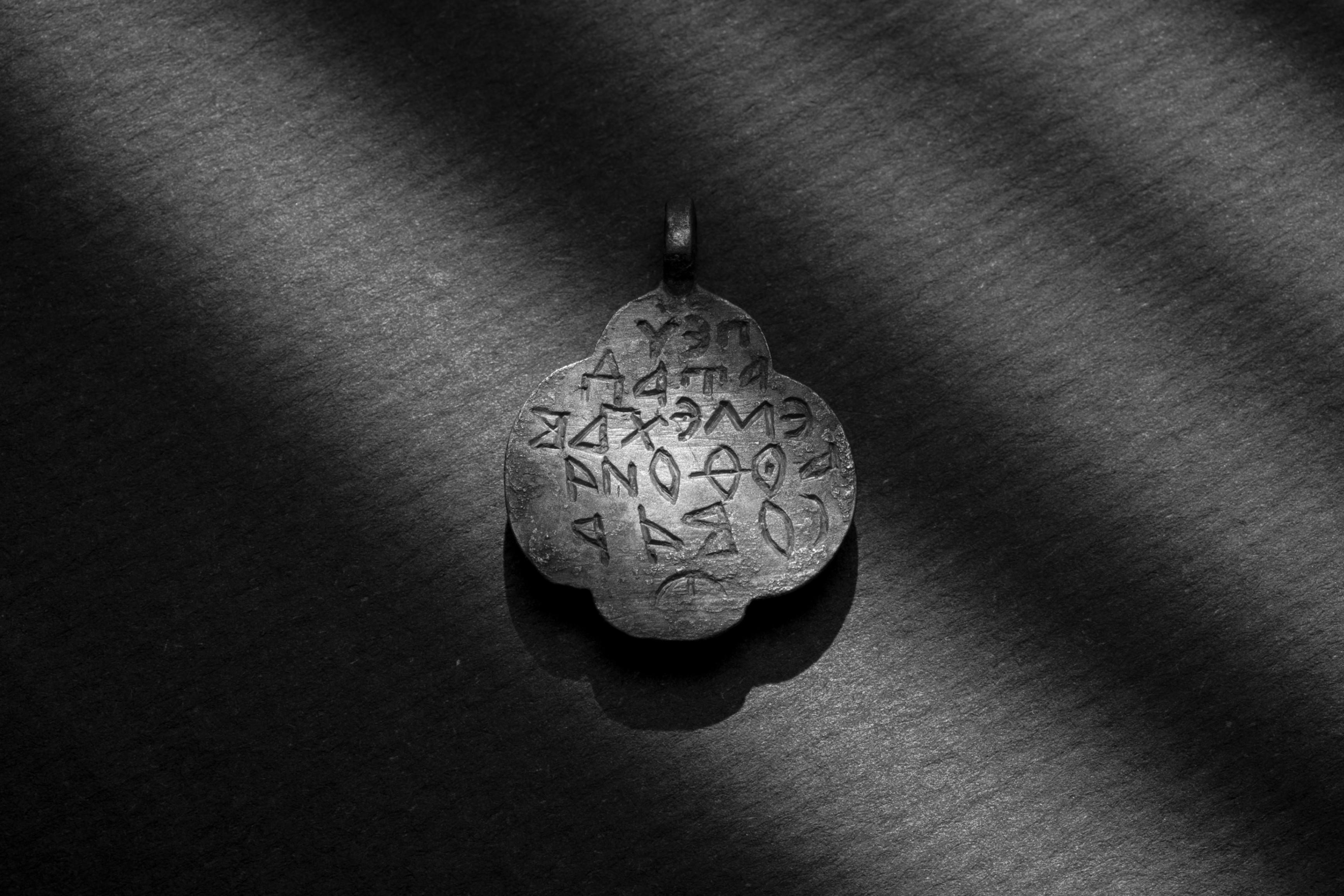
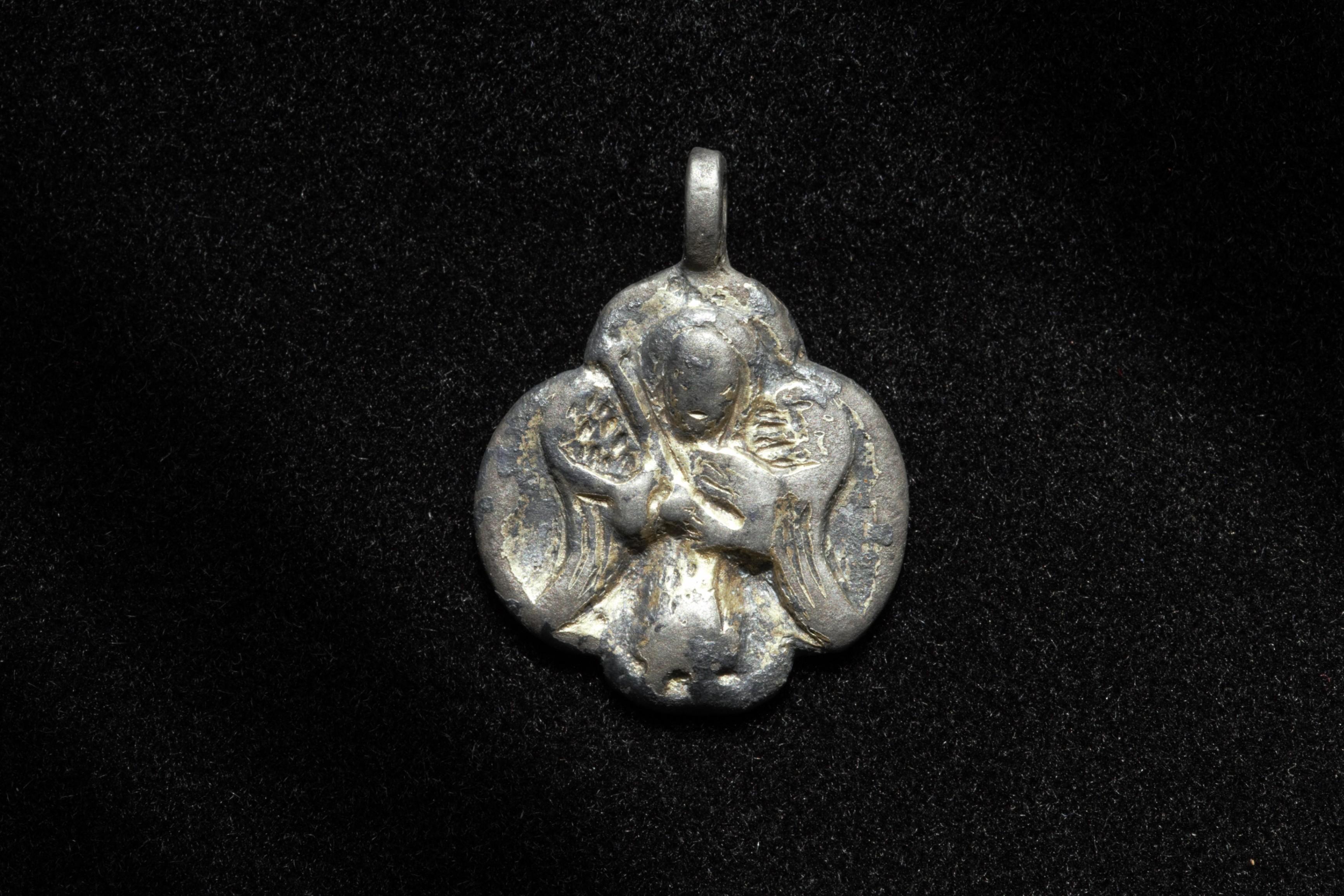
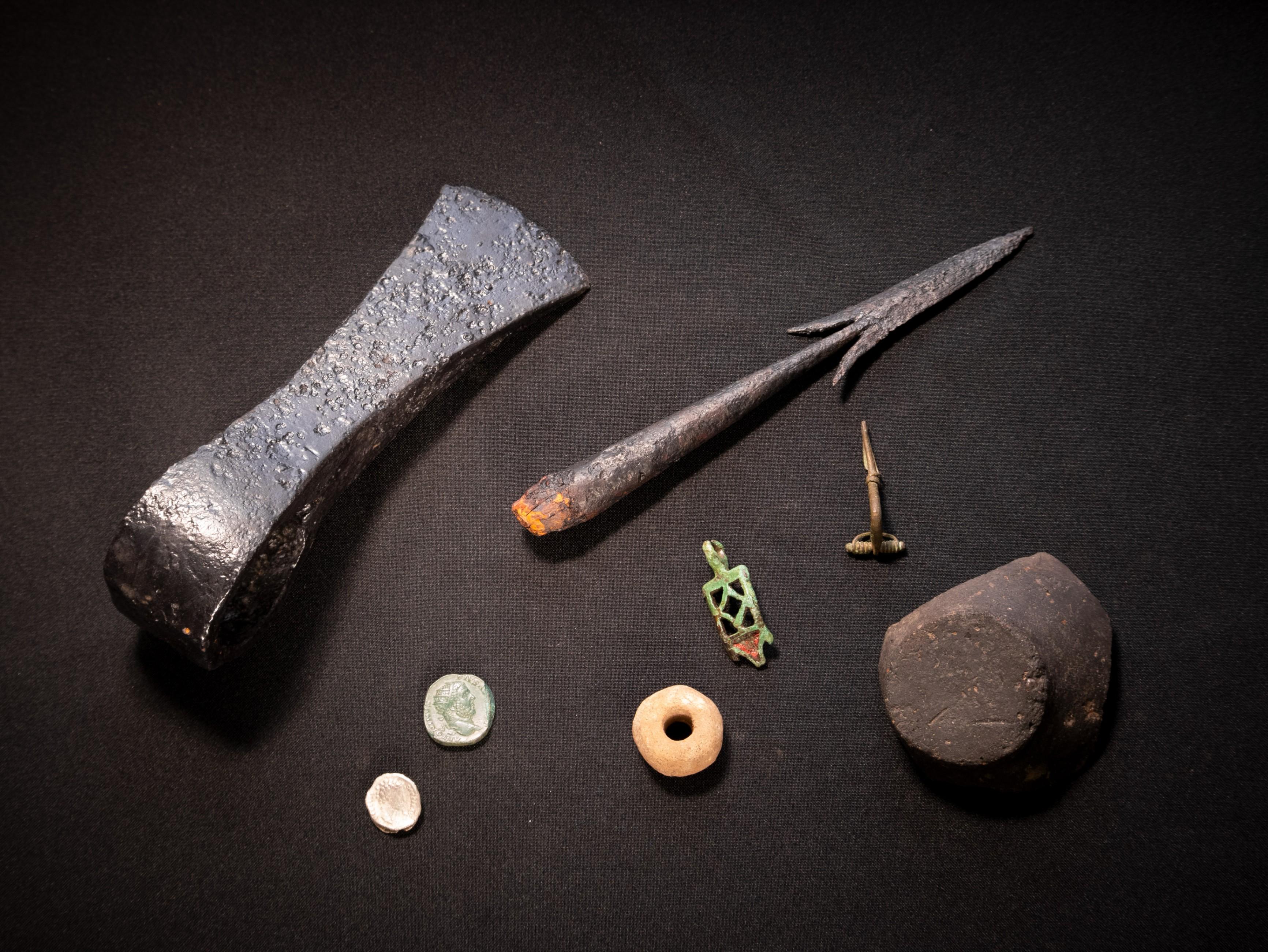
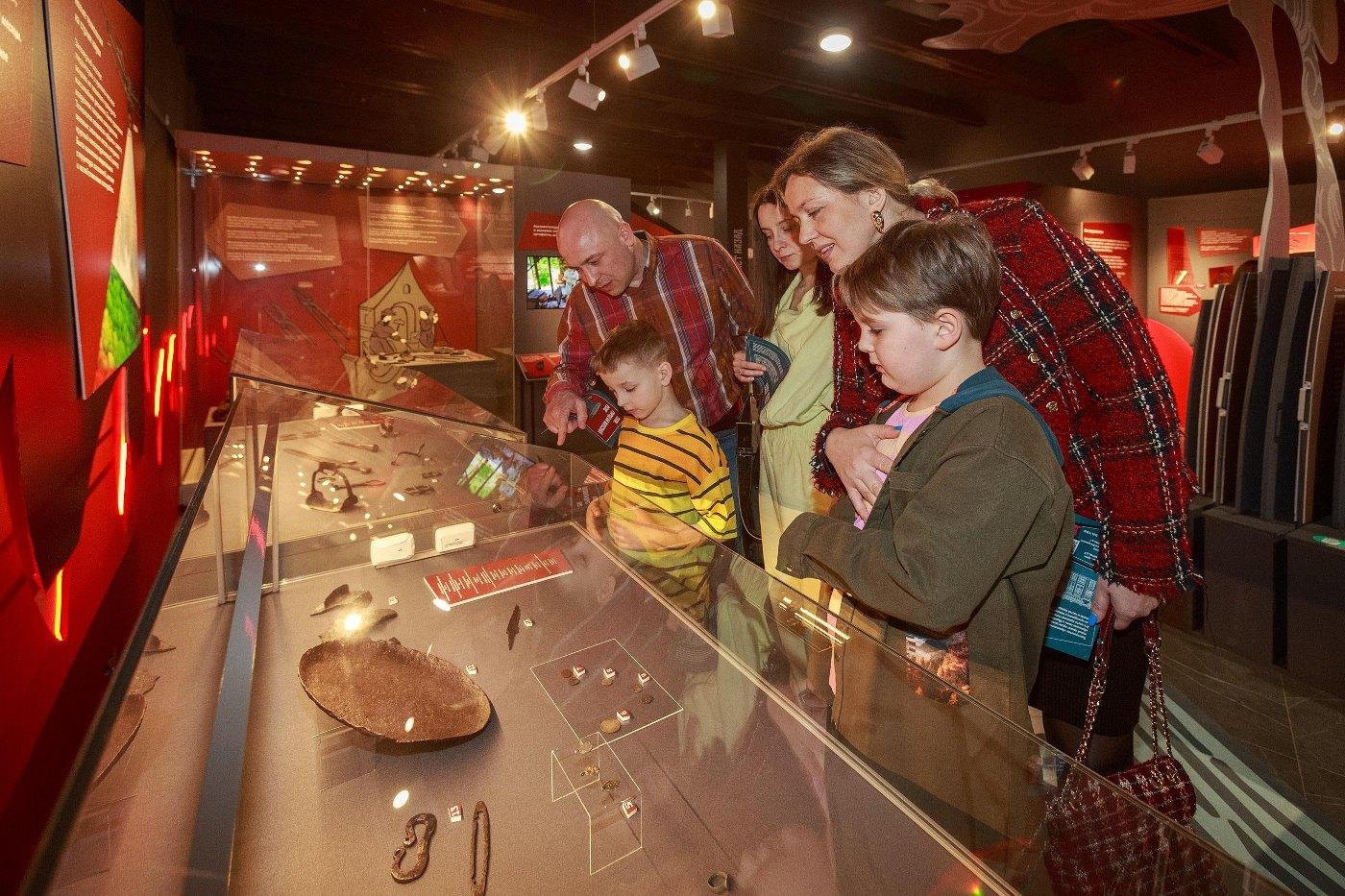
Since ancient times metal has held a special place in human society. The discovery and use of metal is considered one of humanity’s greatest achievements. Modern life is unimaginable without it. We still live in the “Iron” age. The exhibition “Tula. City on the Iron River” tells about the remarkable properties of iron and its role in people's lives, and introduces the centuries-long history of metallurgy and metalworking in the Tula region. You will see how technological progress changed civilization. The staff of the State Museum-Reserve "Kulikovo Field" suggest beginning an acquaintance with the history of metallurgy from the ironworks of the Dutch merchant Andrey Vinnius, established near the ancient settlement of Torhovo on the Tulitsa River in the first half of the 17th century. "The exhibition ‘Tula. City on the Iron River’ is a detective-like narration in which we gradually go back into the past, debunking established myths about humanity’s acquaintance with metal, and about the professions of blacksmith and metallurgist," says the project curator, head of the exhibition department of the State Museum-Reserve "Kulikovo Field", Kristina Stolyarova. "As a starting point we decided not to take modern metallurgical plants but the first plants in Russia. Accordingly, we refute a major myth: everyone thinks the first plants appeared in the Urals. In fact they were opened in the heart of Russia, in Tula, by Andrey Vinnius." At the Gorodishchensk plants the blast-furnace process was implemented on an industrial scale for the first time, cast-iron foundry production was established, and the conversion of pig iron into iron was organized. Visitors to the new exhibition learn about the personality of the Dutchman Vinnius, the layout of the plant and its masters, and about the products made there; the exposition then poses questions and answers them: why was the first point on the map where large-scale metallurgical production arose placed in Tula; what is the difference between the professions of metallurgist and blacksmith; how many hands were needed in the past to make a single metal object; and many others. To understand the professions of metallurgist and blacksmith, which in ancient times were revered as almost magical, exhibits from the collections of the State Museum-Reserve "Kulikovo Field" and multimedia will help. All the elements were known and tamed by the craftsmen in their work. Iron ore was sought near water, and at the Gorodishchensk plants water power was used to bellows. The coal burner skillfully controlled the air to obtain quality raw material for smelting metal from ore. Both the metallurgist and the blacksmith pumped air through the bellows into the smelting and smithing furnaces, maintaining the flame at the required temperature. Without fire you cannot carbonize wood to make charcoal, smelt low-grade iron (bloom), or forge a metallic object from it. Clay was dug from the ground to build the smelting furnace (domnica)… Water, air, fire, clay, iron ore—and at the center the craftsman: all of them met on the banks of the great “iron river” Tulitsa, shaping the region into Russia’s arms-making capital. The exhibition “Tula. City on the Iron River” features more than 200 authentic artifacts—witnesses to the labor glory of Tula’s metallurgists and blacksmiths over many centuries. These are finds from the Tula archaeological expedition from the territory of Vinnius’s Gorodishchensk plants near the village of Torhovo, from the settlement of ancient metallurgists near the village of Malaya Strekalovka, from the hillforts Spitsino and Strakhovo, and from the Kuznechnaya sloboda in Zarechye. Among them are: shot and molds for casting tools, a fragment of wooden pipes, a hoard of furnace blooms and commercial blanks for sale to smiths, personal items of the militarized nobility who defended the metallurgists’ settlement, blacksmith tools and products of masters of various specializations, a hoard of copper ornaments, and a collection of useful minerals from which iron was obtained in ancient times. Some artifacts required a separate display case or became highlights in presenting important themes. One such item—a piece of slag from the 1st century AD—closes the historical investigation of persistent myths about metallurgists. "In the collection of the State Museum-Reserve 'Kulikovo Field' we can find many items from that time related to metallurgy, but we cannot say for certain that they were produced on the territory of the Tula region," says the curator of the exhibition "Tula. City on the Iron River," Kristina Stolyarova. "Slag is a by-product of metallurgical production, now as in the past. It was completely useless to the craftsman, but it gives us the opportunity to say that 2,000 years ago the history of metallurgy began on Tula land." Another rare exhibit—a meteorite aged between 14 and 800 thousand years—also attracts visitors’ attention. It symbolically marks the starting point in the history of humanity’s use of iron, explains its sacredness and value, and illustrates early human experience in working metals—both those “sent” from the sky and those extracted from copper ore. Based on the technology for obtaining copper, humans invented a method for processing iron ore. The history of the settlement near the village of Malaya Strekalovka is given wide coverage in the new exhibition. In the forests of the Tula defensive belt, in 2015 archaeologists of the State Museum-Reserve "Kulikovo Field" discovered an ancient metallurgical center where, in the 14th–15th centuries, local inhabitants mined iron ore and made from it both metal for sale and a variety of objects—weapons and tools. The hoard of furnace blooms found there made it possible to carry out a unique experiment to date. Ryazan blacksmith-reenactor Mikhail Radkin forged a copy of a knife found at the Malaya Strekalovka settlement site from a medieval piece of low-grade iron. The experiment helped to reveal some of the secrets of the technological process of obtaining metal from iron ore and to evaluate the work of past craftsmen in light of modern knowledge. All stages—the lighting of the bloomery furnace, smelting iron from the bloom, and forging the metal object—were filmed. The videos and the result of the experiment—the knife—are presented in the exhibit at the Museum Quarter. The exhibition “Tula. City on the Iron River” became an important stage of the program to study the history of Tula metallurgy, developed at the initiative of the Governor of the Tula Region, Alexey Dyumin, and implemented with the support of the Industrial and Metallurgical Holding and JSC "Tulachermet." "With this completely unique and vivid exhibition, both in execution and finds, we sum up the first results of studying a topic that is iconic for the region—the history of metallurgy," says the director of the State Museum-Reserve "Kulikovo Field," Vladimir Gritsenko. "This is a successful example of how an important scholarly topic can be revealed thanks to the support of business and the heirs of the large family of Tula metallurgists. The topic is deep—and there may be many more sensational discoveries. It deserves a separate museum, which, in the tradition of celebrating major historical anniversaries in our country, could well appear in the city of Tula."
