Sign up
You have successfully registered, a confirmation email has been sent to the email address you provided.

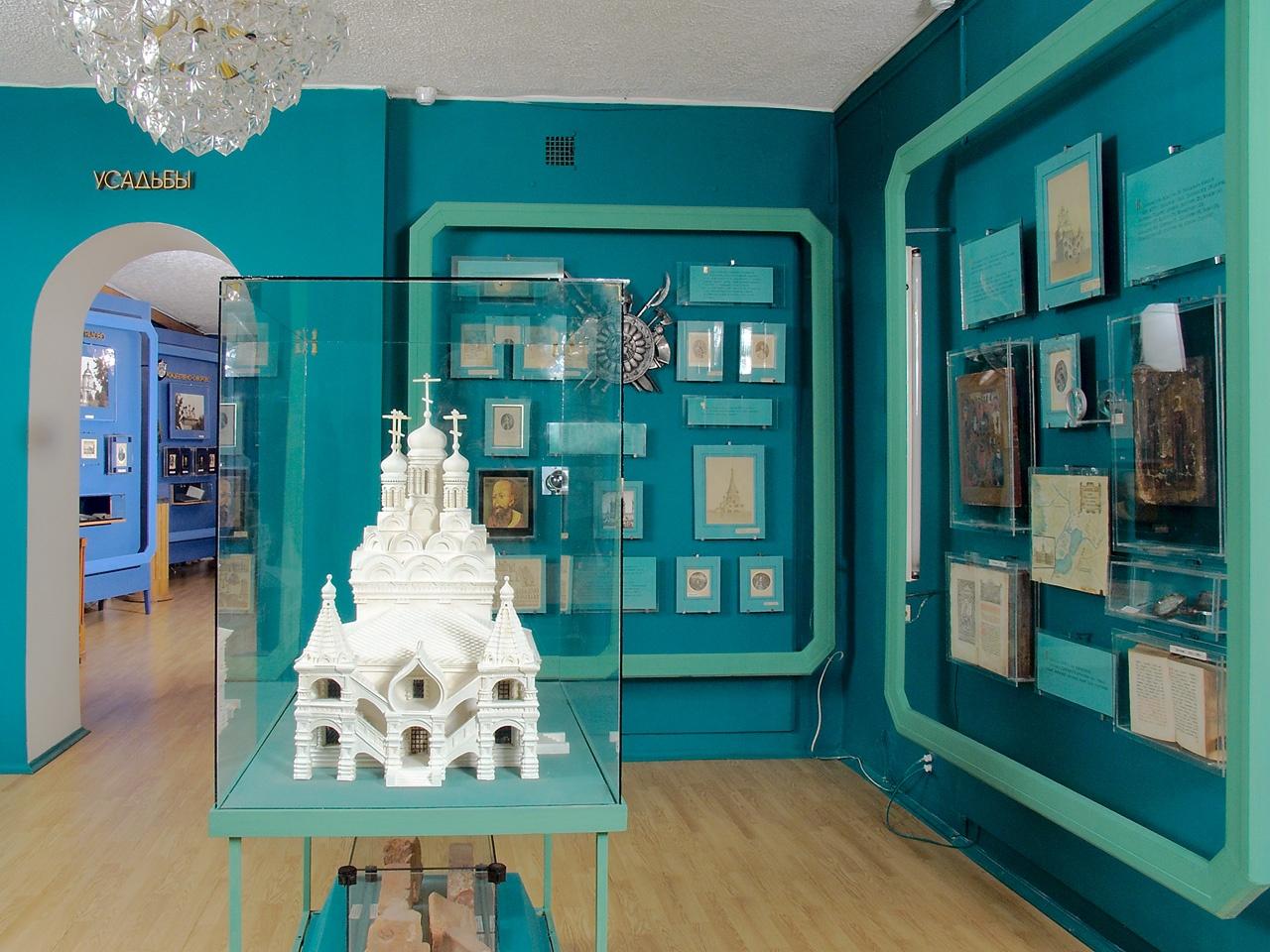
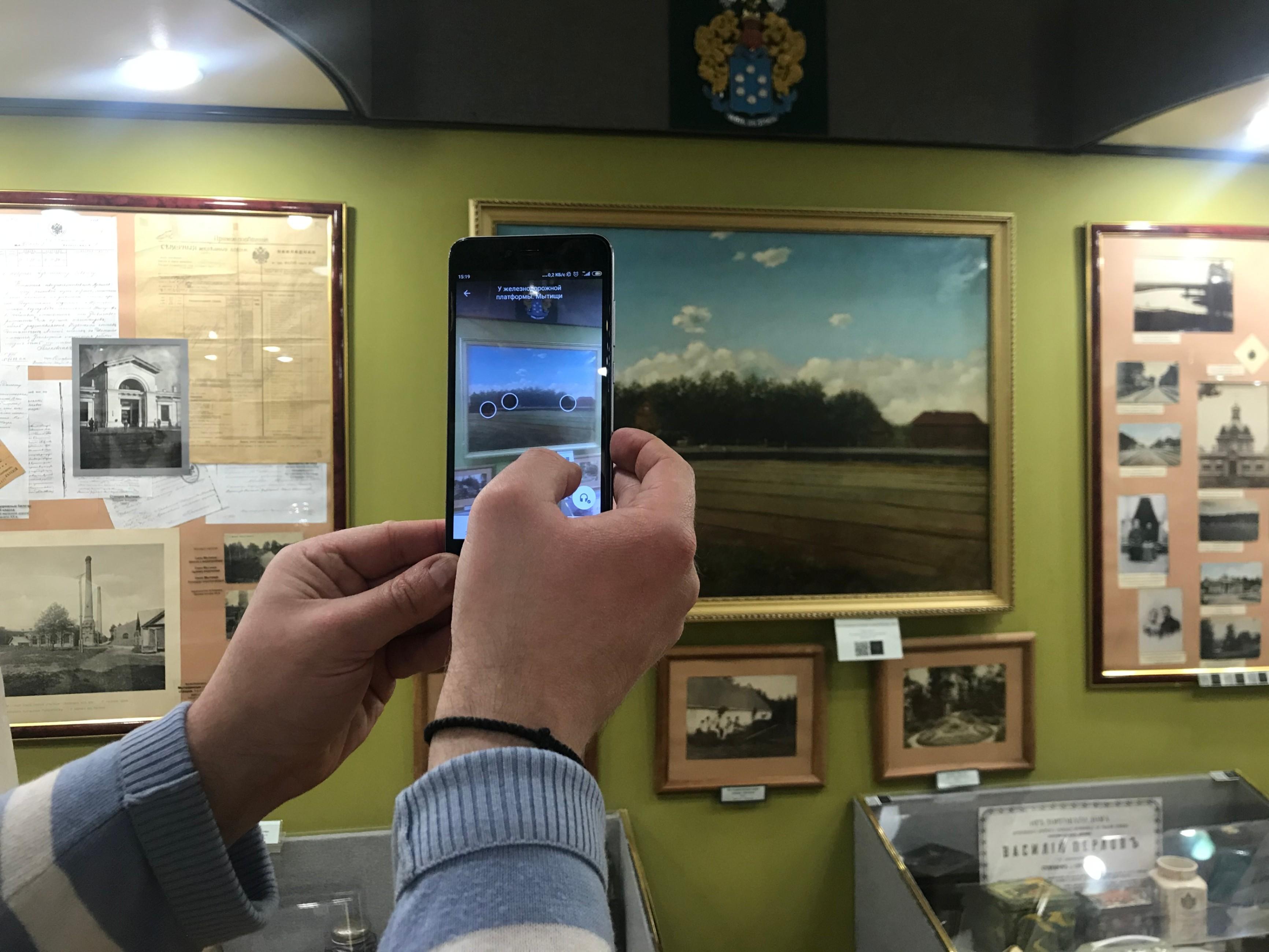
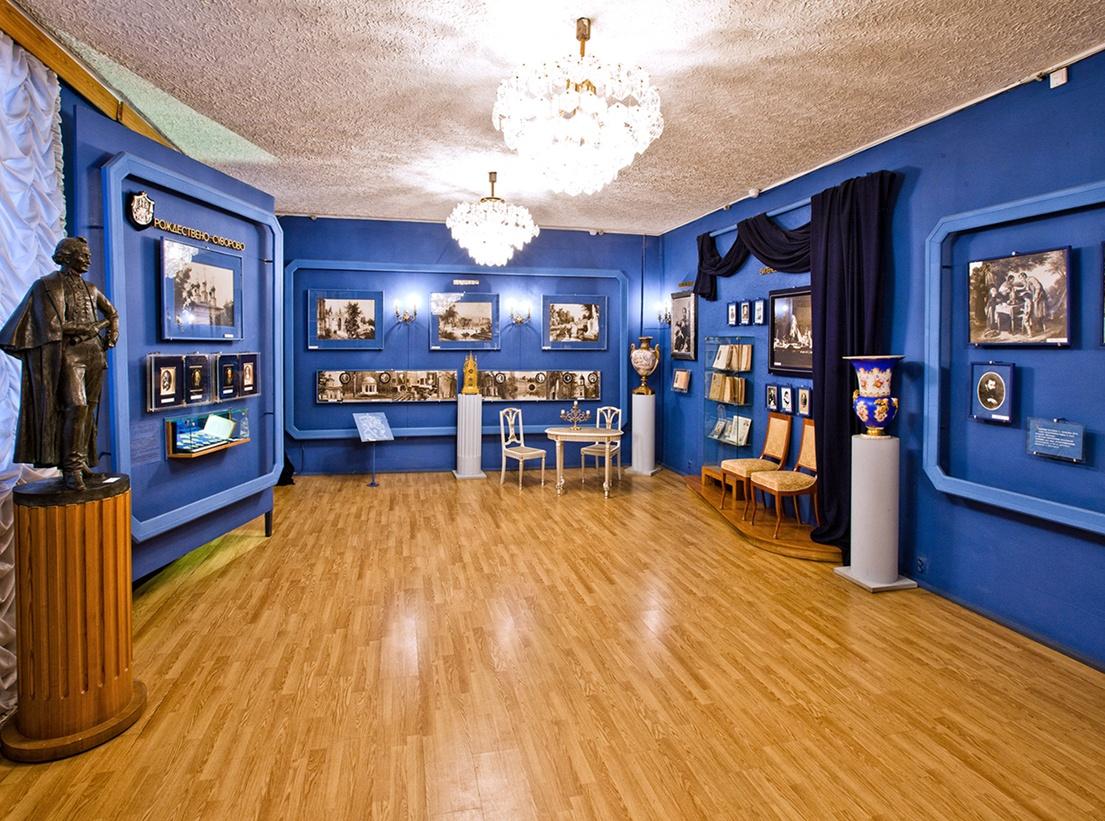
The history of the Mytishchi region stretches far back through the centuries, and the halls of the permanent exhibition of the Mytishchi Historical and Art Museum introduce visitors to it. Within the city of Mytishchi lies the village of Tayninskoye (formerly Toninskoye), known since the early 15th century — a hereditary estate of the grand princes of Moscow and the Russian sovereigns that served as their country residence. The museum's exhibition includes materials on the region's medieval history. Documentary materials recount the construction of the first gravity-flow water supply to Moscow (1779–1804), which provided the capital with drinking water from the famous Mytishchi springs. The "Estates" hall exhibition is dedicated to places that preserve the memory of notable figures of Russian history and culture of the 18th–20th centuries. The palace-and-park complex of the Marfino estate is uniquely beautiful, as are the Nikolo-Prozorovskoye and Rozhdestveno-Suvorovo estates, which belonged to the family of the outstanding commander A. V. Suvorov. The fabulist I. A. Krylov spent two years in Vinogradovo, and the Vitenyevo estate was owned for 15 years by M. E. Saltykov-Shchedrin. L. N. Tolstoy's stay in Mytishchi is reflected in the novel "War and Peace." Famous painters V. G. Perov and V. I. Surikov worked on their classic canvases in Mytishchi. The third hall's exhibition vividly presents the history of Mytishchi at the end of the 19th and the beginning of the 20th centuries. The historical section of the exhibition concludes with the Great Patriotic War hall (1941–1945). Many materials are related to the fighting on the Lobnya defensive line of Moscow in November–December 1941.
