Sign up
You have successfully registered, a confirmation email has been sent to the email address you provided.

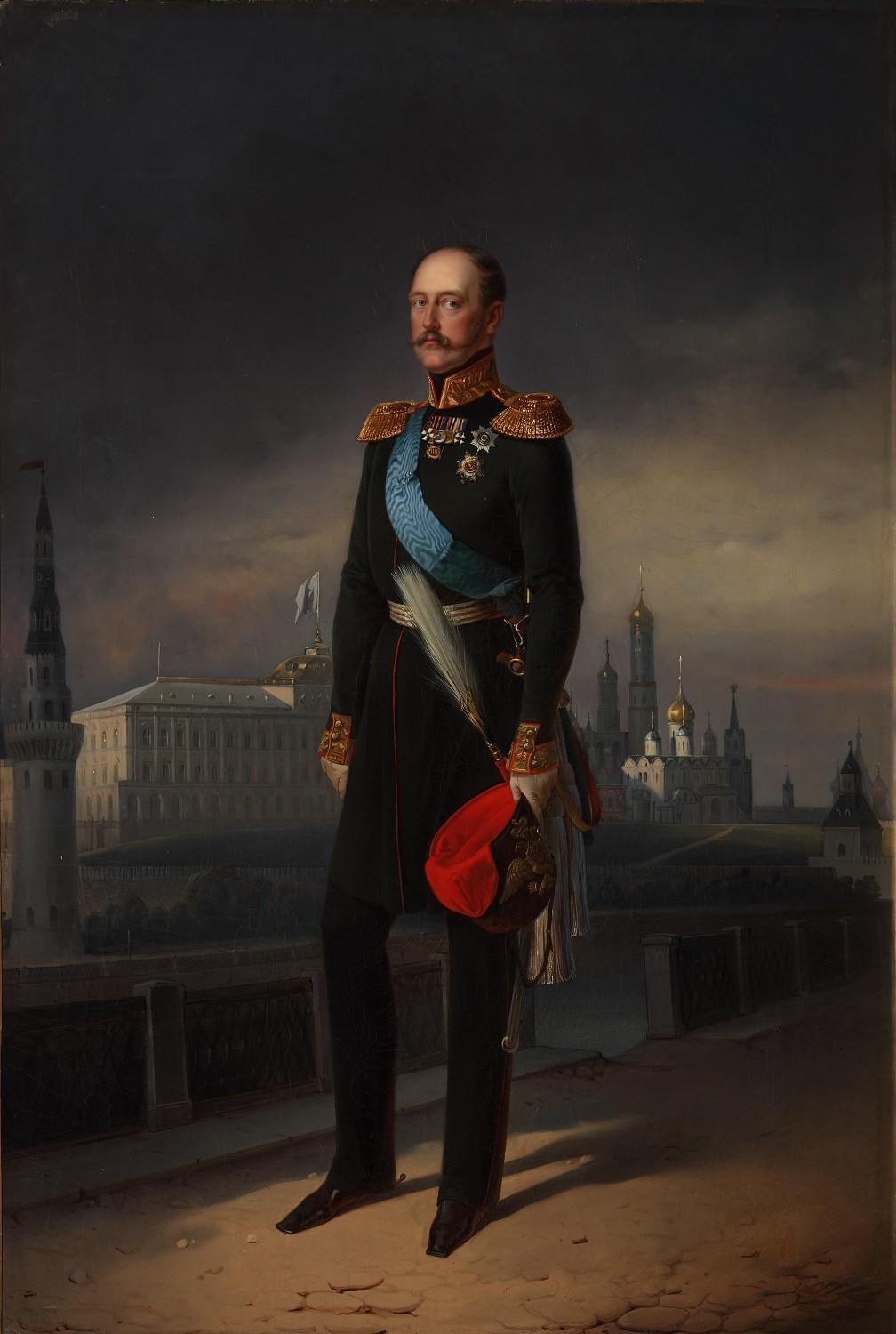
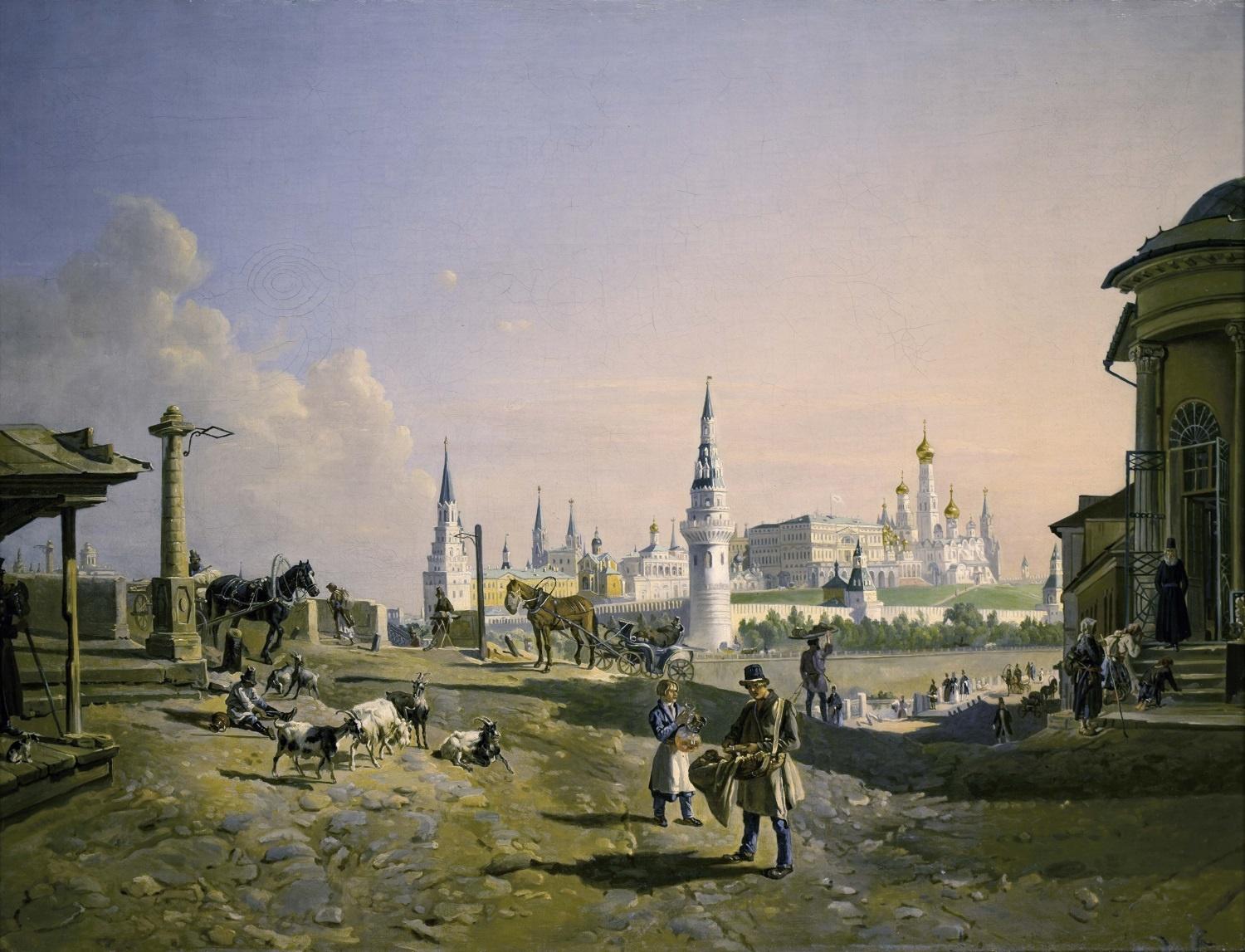
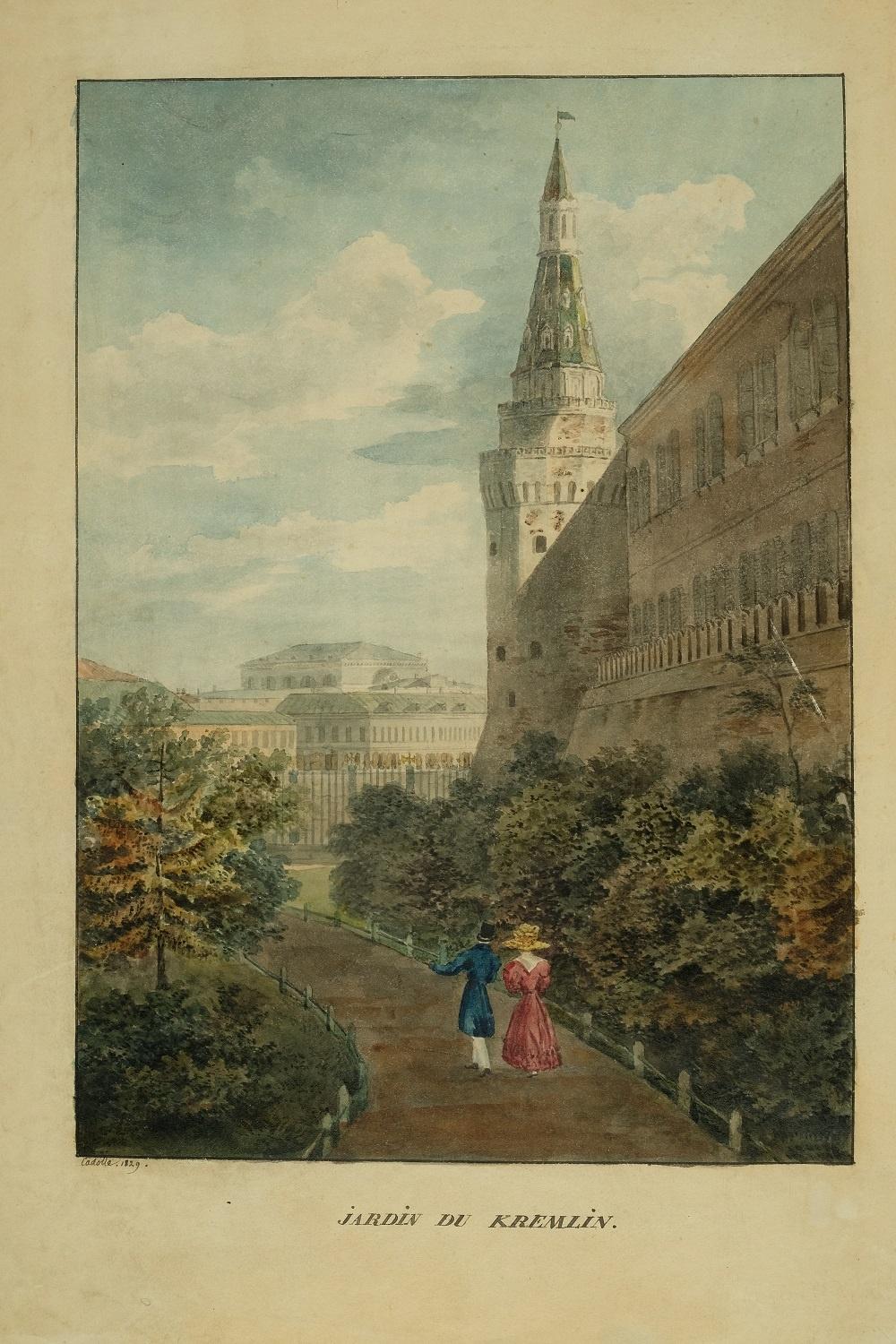
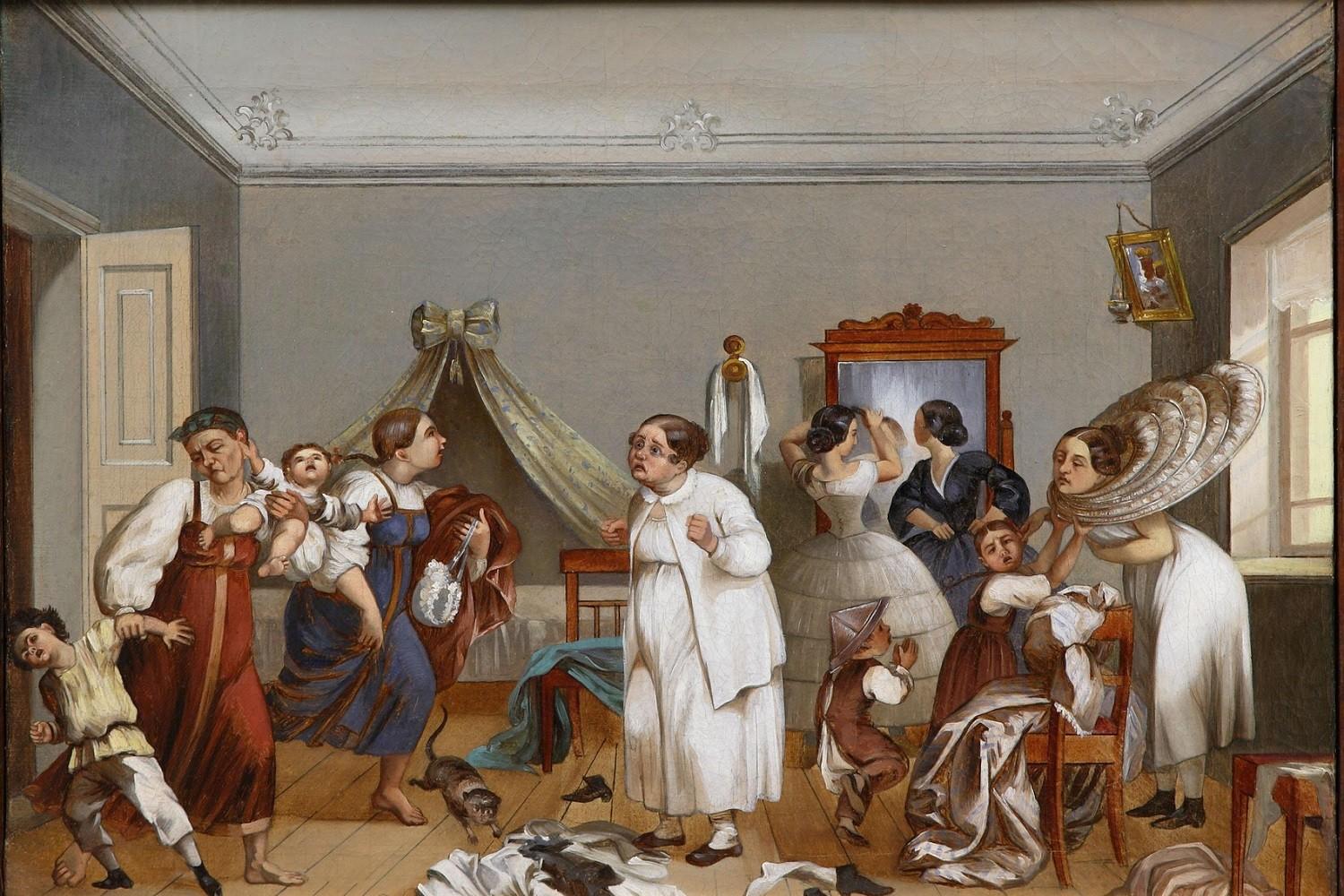
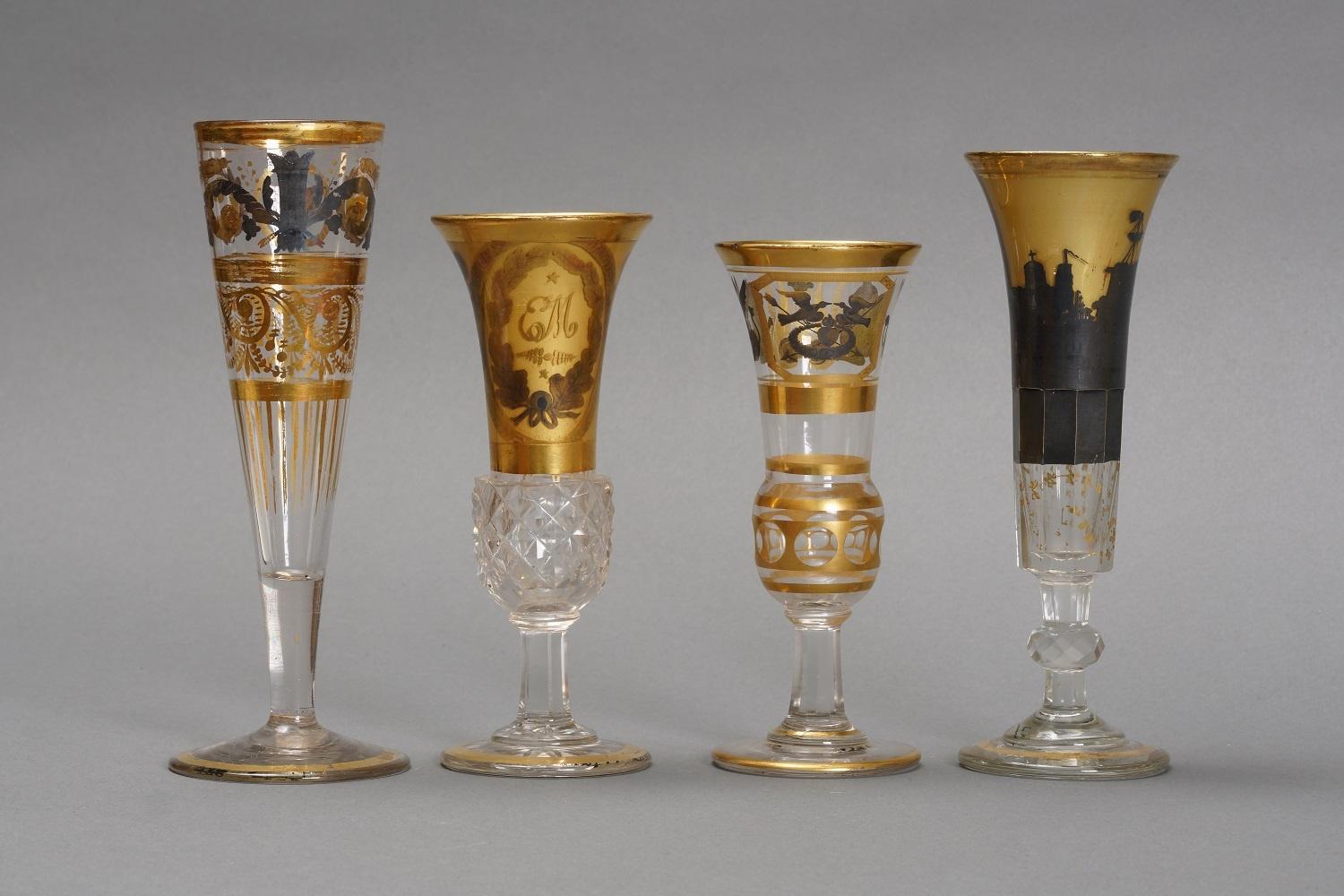
At the Tsaritsyno Museum-Reserve, on October 11 the exhibition “Moscow and Muscovites in the Era of Nicholas I” opens — about what the city was like in the Nicholas era, from 1825 to 1855. Tsaritsyno presents a large inter-museum project “Moscow and Muscovites in the Era of Nicholas I,” devoted to the city and its residents, their everyday life and morals, as well as the sweeping changes that took place during the reign of Nicholas I. The exhibition includes paintings, lithographs, formal portraits, archival documents, books, and objects of decorative and applied art. In total, more than four hundred items from the collections of twenty-one museums, three private collections and one (but the most important) library. Chronologically the exhibition covers twenty-nine years of Nicholas I’s reign, beginning with his arrival in Moscow for the coronation celebrations on 21 July (3 August) 1826 and ending in March 1855, when mourning for the late emperor was declared in Moscow. Thanks to carefully selected artifacts and modern museum technologies, the exhibition recreates vivid features of the Nicholas era: the construction of the Bolshoi and Maly Theatres, the opening of rail service between Moscow and St. Petersburg, salons where the intellectual elite gathered informally, taverns where — unlike restaurants — dishes of Russian cuisine were served rather than French, and much more. Visitors will attend the coronation ball in the Faceted Chamber; peek into the parlor of a merchant’s house in Zamoskvorechye; learn how Moscow experienced the dramatic events of the Crimean War of the 1850s; sit at a tavern table; witness a heated debate between a Westernizer and a Slavophile; and study the interior of the imperial railway carriage — in the train that ran between Moscow and St. Petersburg on the Nicholas Railway opened in 1851. Children will especially enjoy the exhibition, because history is taught there playfully through computer games: for example, assembling an architectural puzzle (you must find and correctly place on a 19th-century map of Moscow the buildings erected during Nicholas I’s reign) and engaging in heart-to-heart “tavern conversations” with a traveling merchant, a poor student and a representative of the creative intelligentsia. “Our exhibition is timed to the 200th anniversary of Nicholas Pavlovich’s accession to the Russian throne,” says the exhibition curator Alexander Valkovich. “I am sure there will be particular interest in the hand-colored lithographs of views of Moscow after life drawings by the French artist Auguste Cadol, the formal portraits of members of the imperial family by the English painter George Dawe, and paintings by Vasily Tropinin, the leading painter of 19th-century Moscow. At the exhibition you will be able to see his sketches of Moscow streets, portraits of merchants, capital ladies and children.” Walking through the exhibition, one can learn all about the urban-development boom of the Nicholas era: the construction of the Grand Kremlin Palace, the Cathedral of Christ the Saviour on Volkhonka, and the Nicholas Railway, which linked the two capitals in 1851. Also covered is the emergence of a professional theatrical scene in Russia, which likewise fell in the Nicholas era. After the construction of the Maly and Bolshoi Theatres, the intellectual and cultural life of the capital surged with renewed vigor. At the Maly Theatre in November 1831 they staged Griboedov’s Woe from Wit (in full for the first time, having previously been banned by censorship), and in May 1836 Gogol’s The Government Inspector. At the Bolshoi there were premieres of Mikhail Glinka’s operas A Life for the Tsar and Ruslan and Lyudmila in the mid-1840s. But one cannot live by art alone, so the exhibition reconstructs the interiors of an early 19th-century Moscow tavern, where authentic household items and menus from famous Moscow restaurants can be seen. A separate hall is devoted to the dramatic events of the Crimean War and to how fundraising and militia formation were organized in Moscow. “Moscow and Muscovites in the Era of Nicholas I” is a continuation of Tsaritsyno’s successful exhibition project devoted to the history of Moscow. The previous exhibition was called “Moscow and Muscovites in the Era of Alexander I” and told how the city endured the occupation of Napoleon’s army and the Fire of 1812. In 2022 that exhibition became one of the ten most visited exhibitions in Russia.
