Sign up
You have successfully registered, a confirmation email has been sent to the email address you provided.

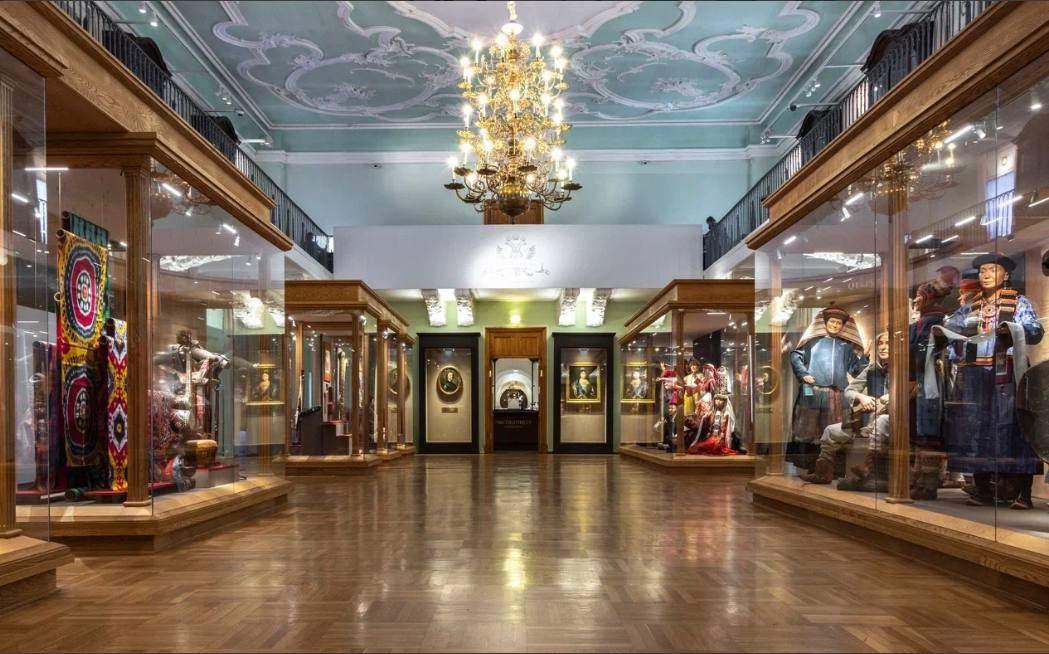
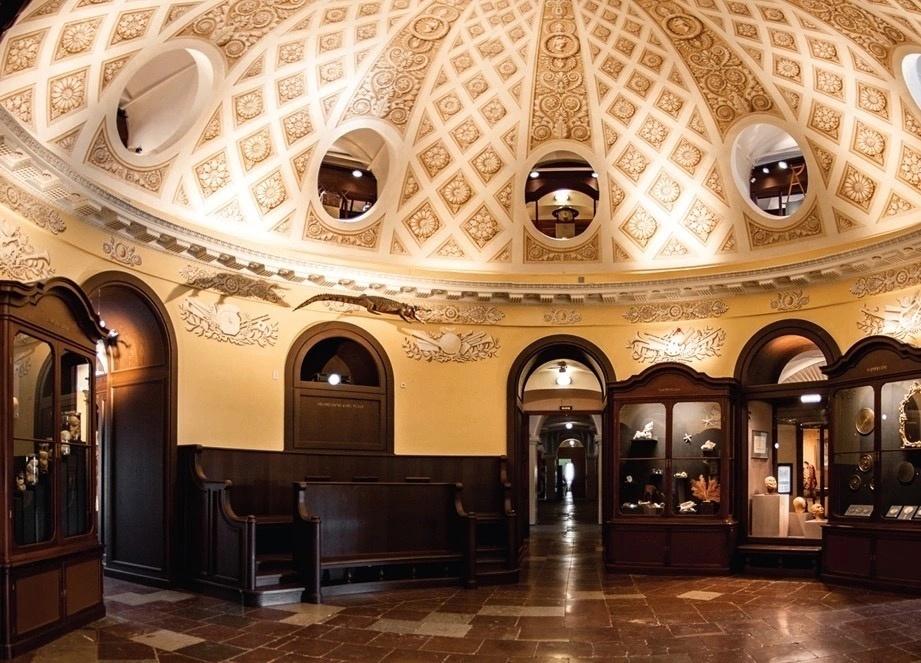
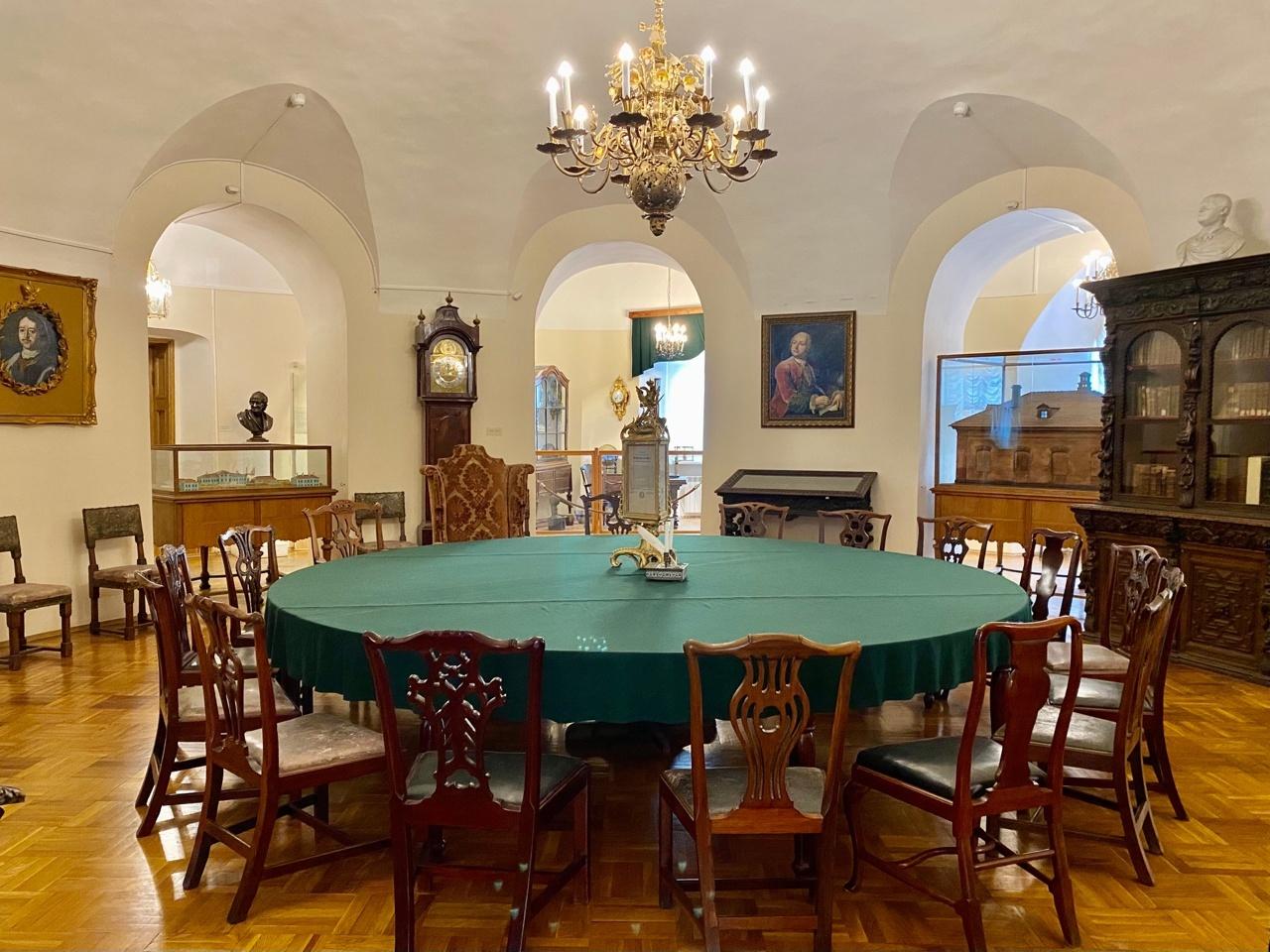
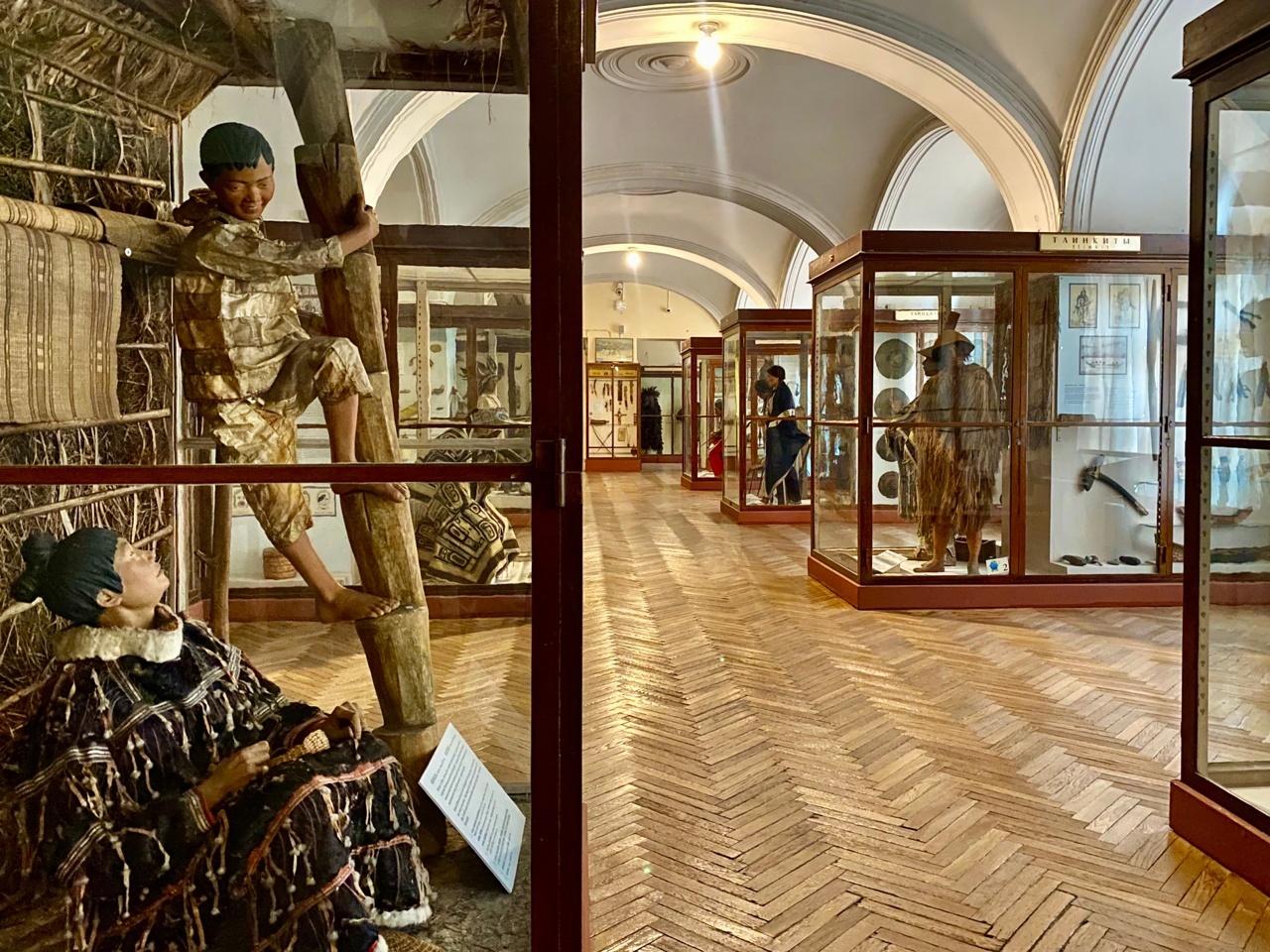
The Peter the Great Museum of Anthropology and Ethnography (Kunstkamera) is one of the largest and oldest ethnographic museums in the world. It is the successor to the Kunstkamera — the first state public museum of Russia. The priceless ethnographic collections displayed in the museum’s exhibitions were assembled over three centuries by travelers, scholars, statesmen, and ordinary people. These collections allow a vivid picture of the everyday life and distinctive cultures of the peoples of Asia, Africa, and the Americas. The exhibition “Peter’s Kunstkamera, or the Tower of Knowledge” (“naturalia,” “rarities,” and “curiosities,” including the famous collection of the Dutch anatomist Frederik Ruysch) gives an idea of what a person at the beginning of the 18th century knew about the world. The exhibition “Imperial Hall: Multiethnic Russia” consists of two sections: “Discoverable Russia (parade of peoples)” and “Imperial Gifts.” In the 18th century the Kunstkamera building housed the Saint Petersburg Academy of Sciences founded by Peter the Great, one of whose first academicians was the Russian scientist and encyclopedist Mikhail Vasilievich Lomonosov. Part of the museum’s exhibition in the Kunstkamera tower tells of the early history of the Russian Academy of Sciences. The exhibition includes valuable collections such as the few surviving personal belongings of M. V. Lomonosov, mosaic portraits made in his workshop, unique scientific instruments and tools from the 14th–19th centuries, and books.
