




Sign up
You have successfully registered, a confirmation email has been sent to the email address you provided.


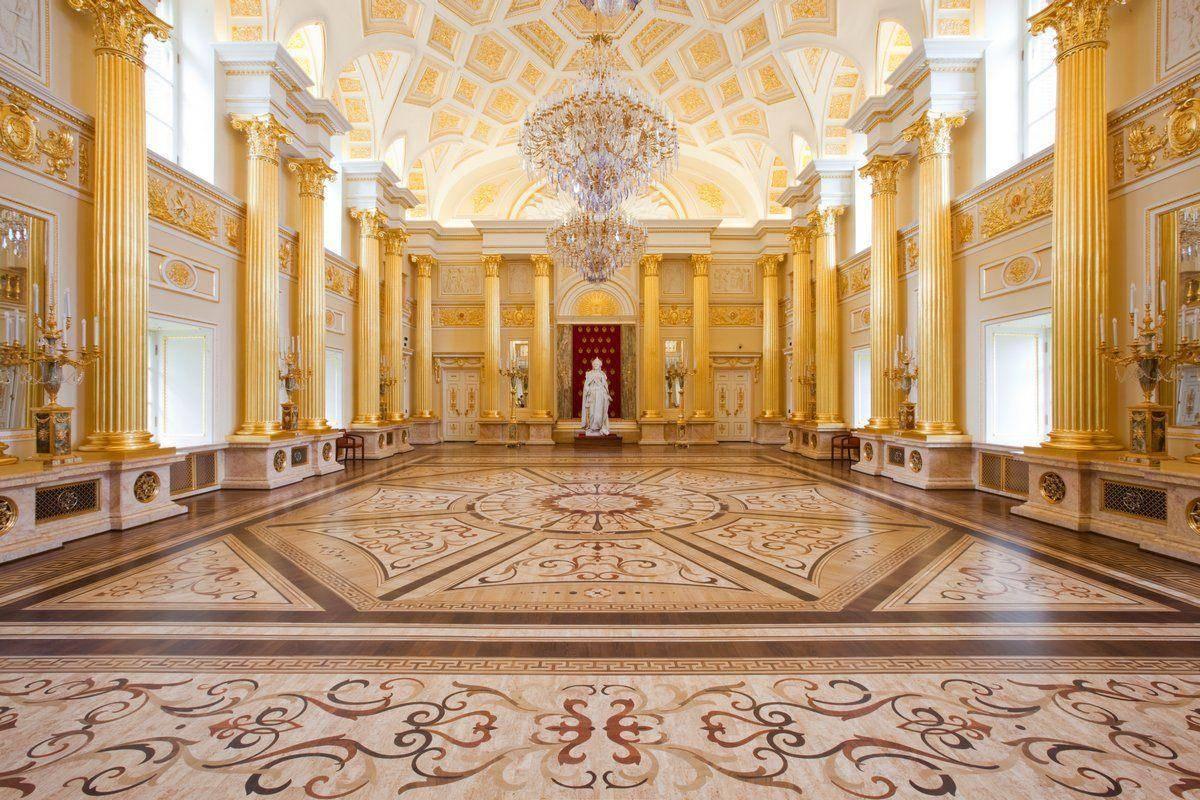
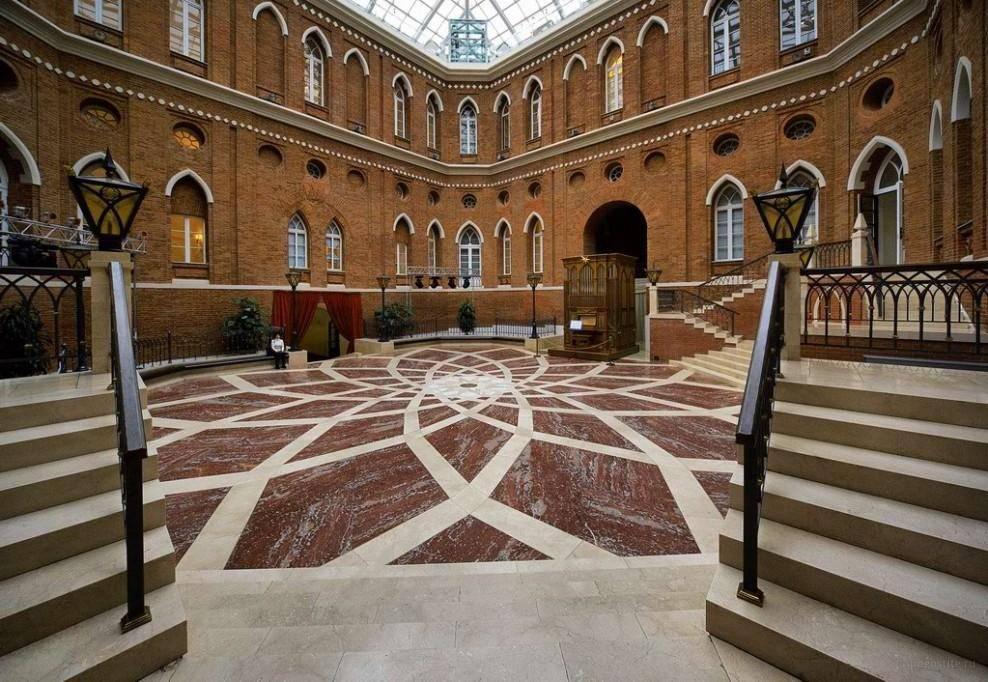
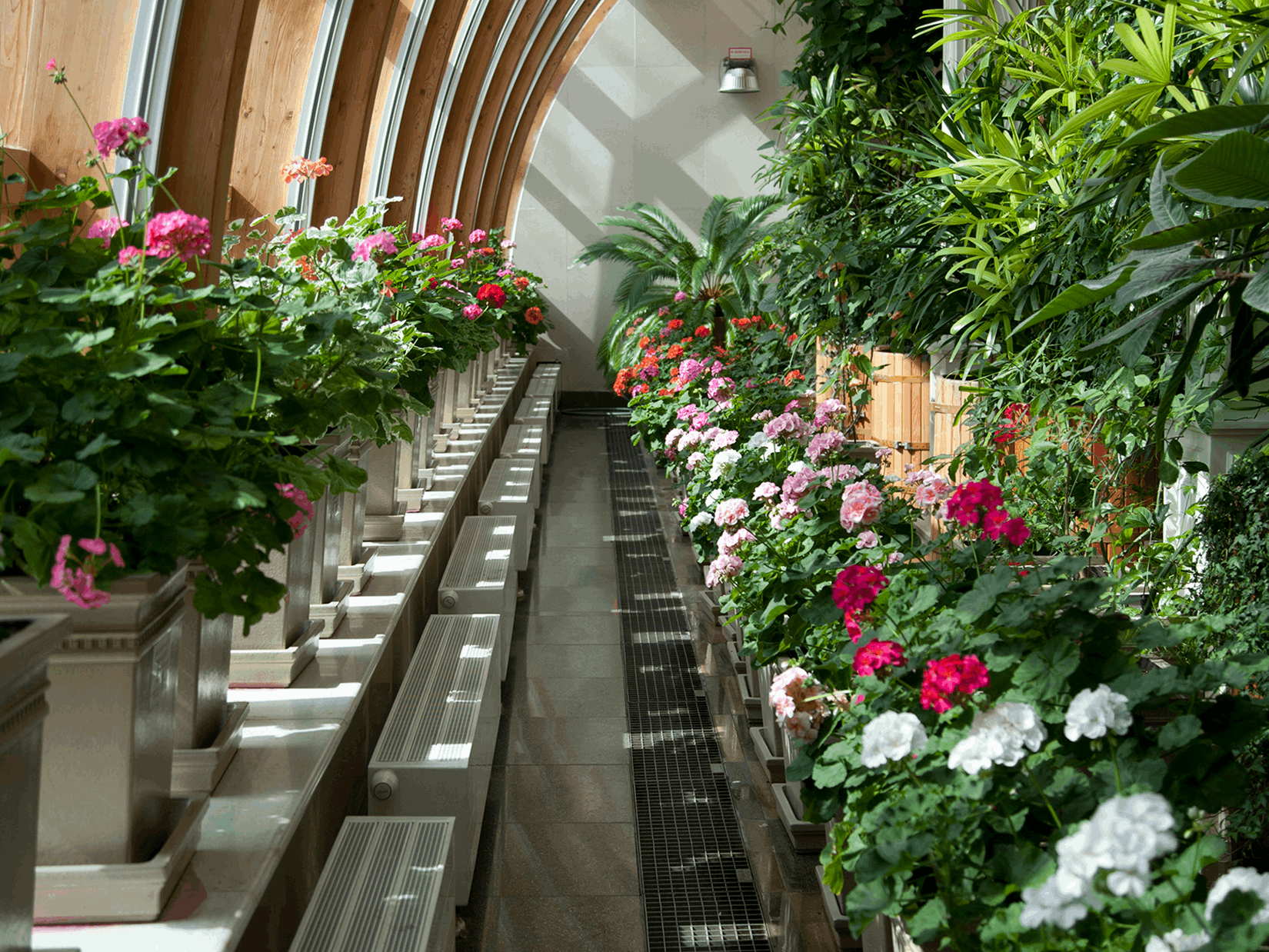
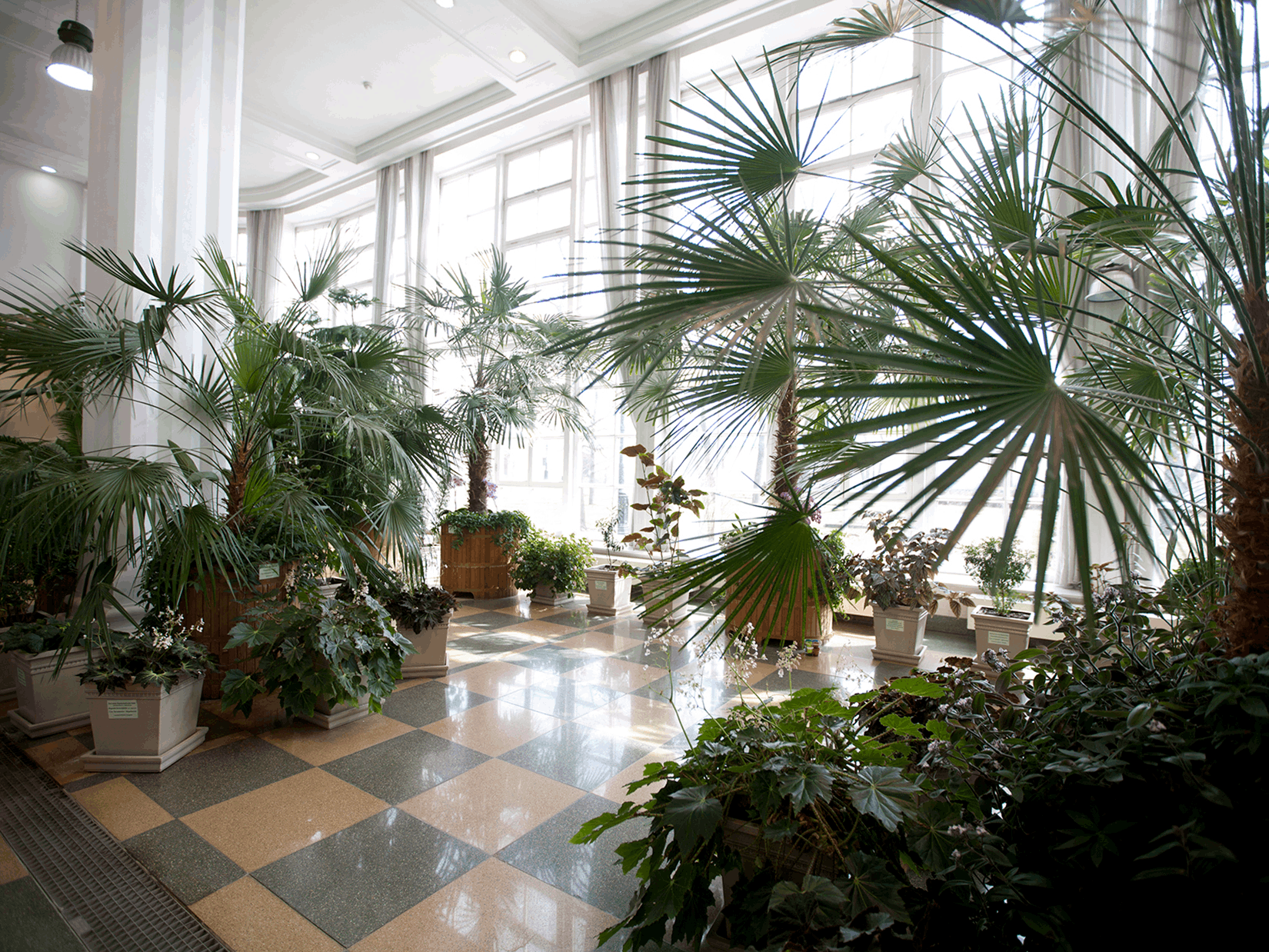
The Grand Palace is the main building of Catherine II’s suburban pleasure residence; the architect was Matvey Kazakov. The palace was built in the pseudo-Gothic style and is a notable example of 18th-century architecture. Today the palace houses permanent exhibitions that tell the story of the creation of the Tsaritsyno palace-and-park ensemble, the era of Catherine II, and the country’s political and cultural life in the 18th century. In addition, the museum features a collection of decorative and applied arts from the Soviet period. The Bread House is the largest structure in the ensemble; it was constructed as the palace kitchen. Architect Vasily Bazhenov devised a way to disguise the service block as a medieval castle. The Bread House hosts exhibitions and concerts. In the Tsaritsyno orangeries you can see a vast number of flowering and fruiting plants. The orangeries include various species of palms and araucarias, Chinese hibiscus, fuchsias and other refined ornamental plants. Pineapples and various aromatic herbs grow here—rosemary, myrtle, bay laurel and ginger—which were cultivated here already in Catherine II’s time. Among more 'modern' plants the display is supplemented by coffee bushes, bananas, papaya and oleander. The orangeries feature figs and pomegranates, agaves and cacti, citrus trees and grapevines. Each orangery recreates the climate suitable for the particular plants grown in it.
