



Sign up
You have successfully registered, a confirmation email has been sent to the email address you provided.

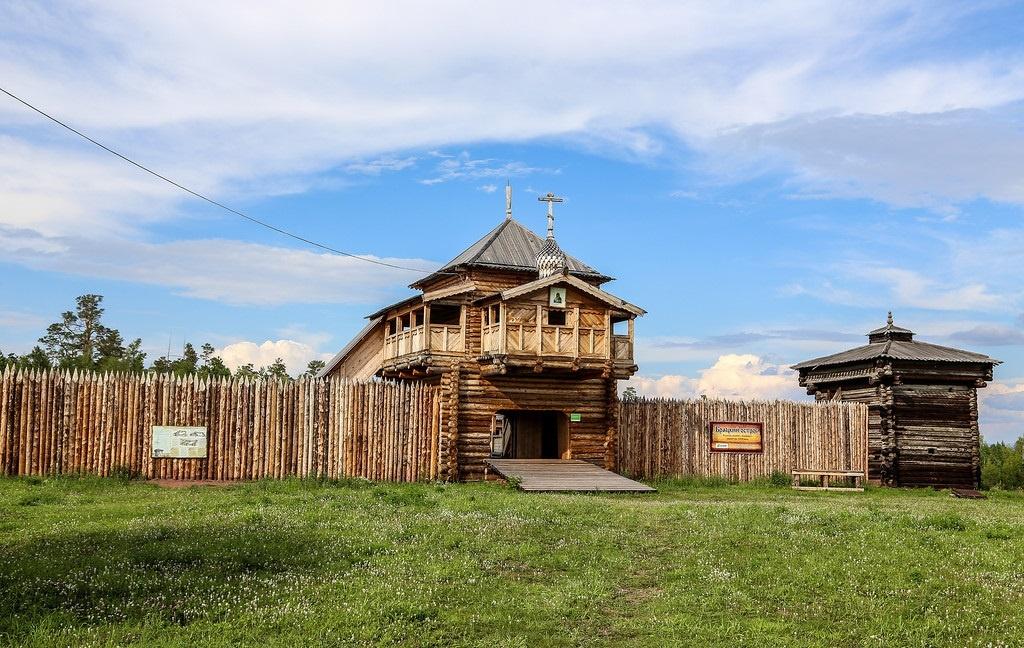
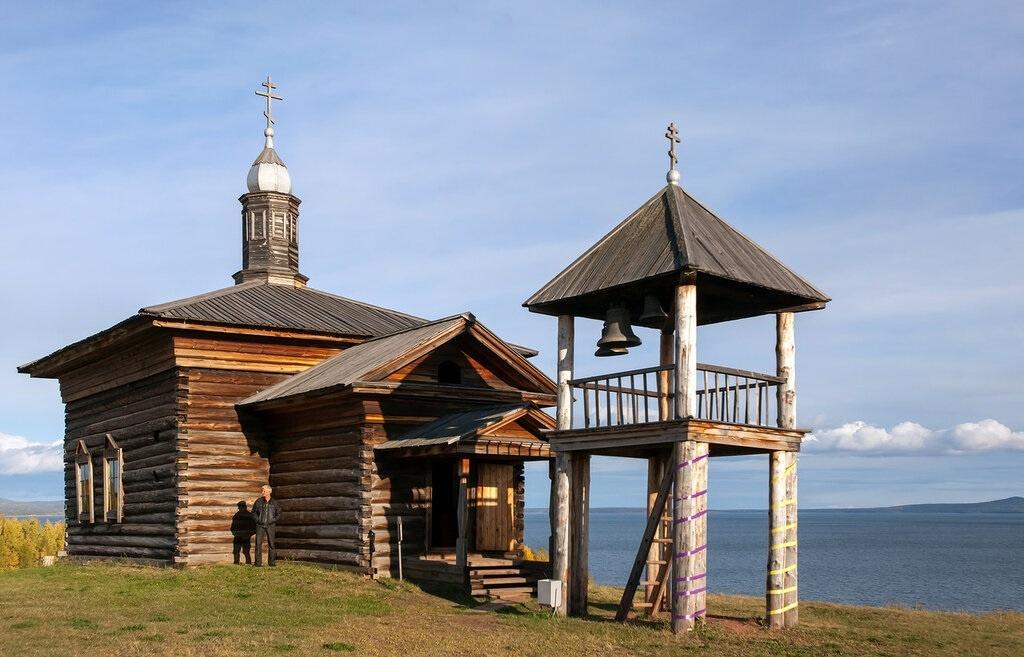
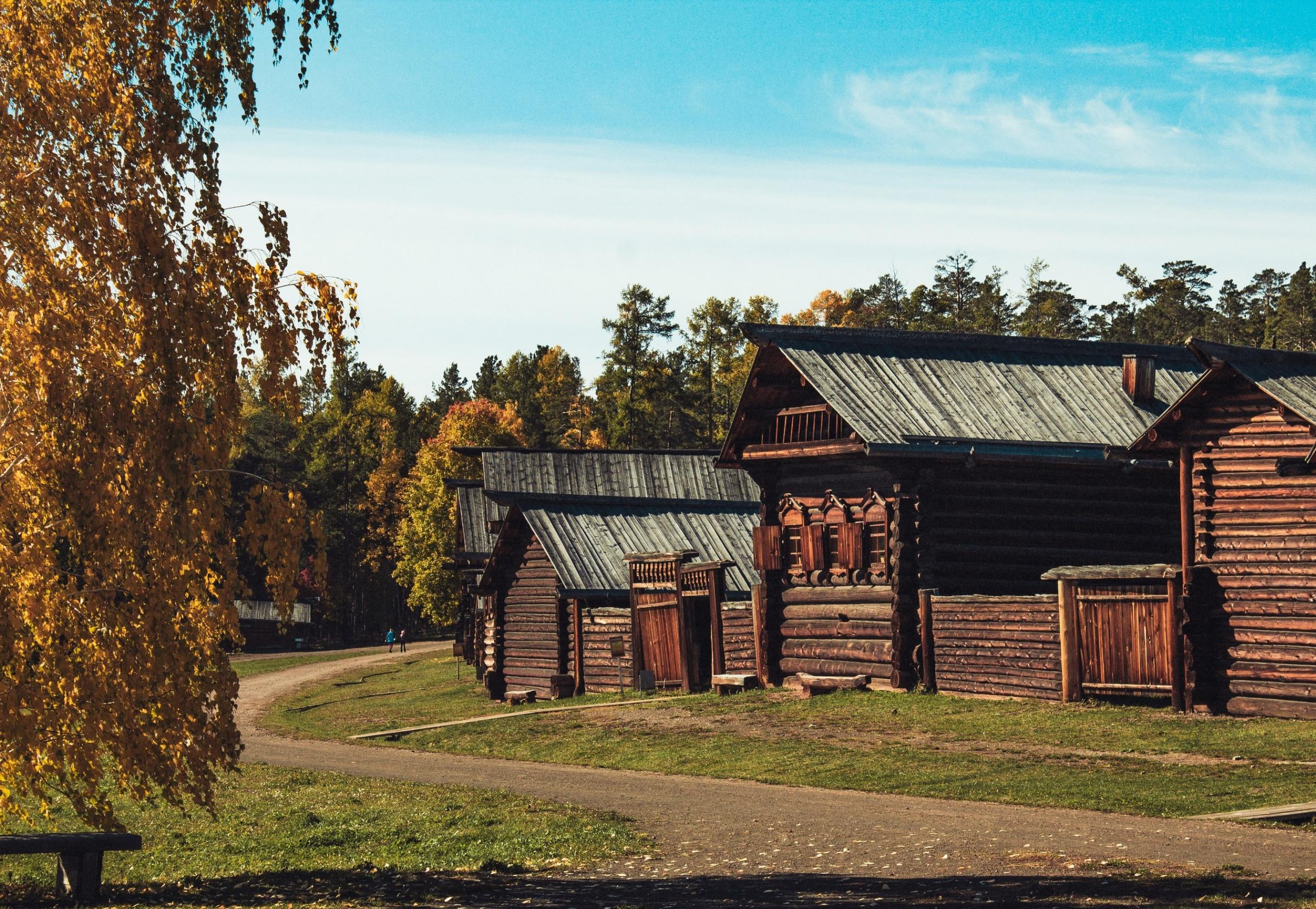
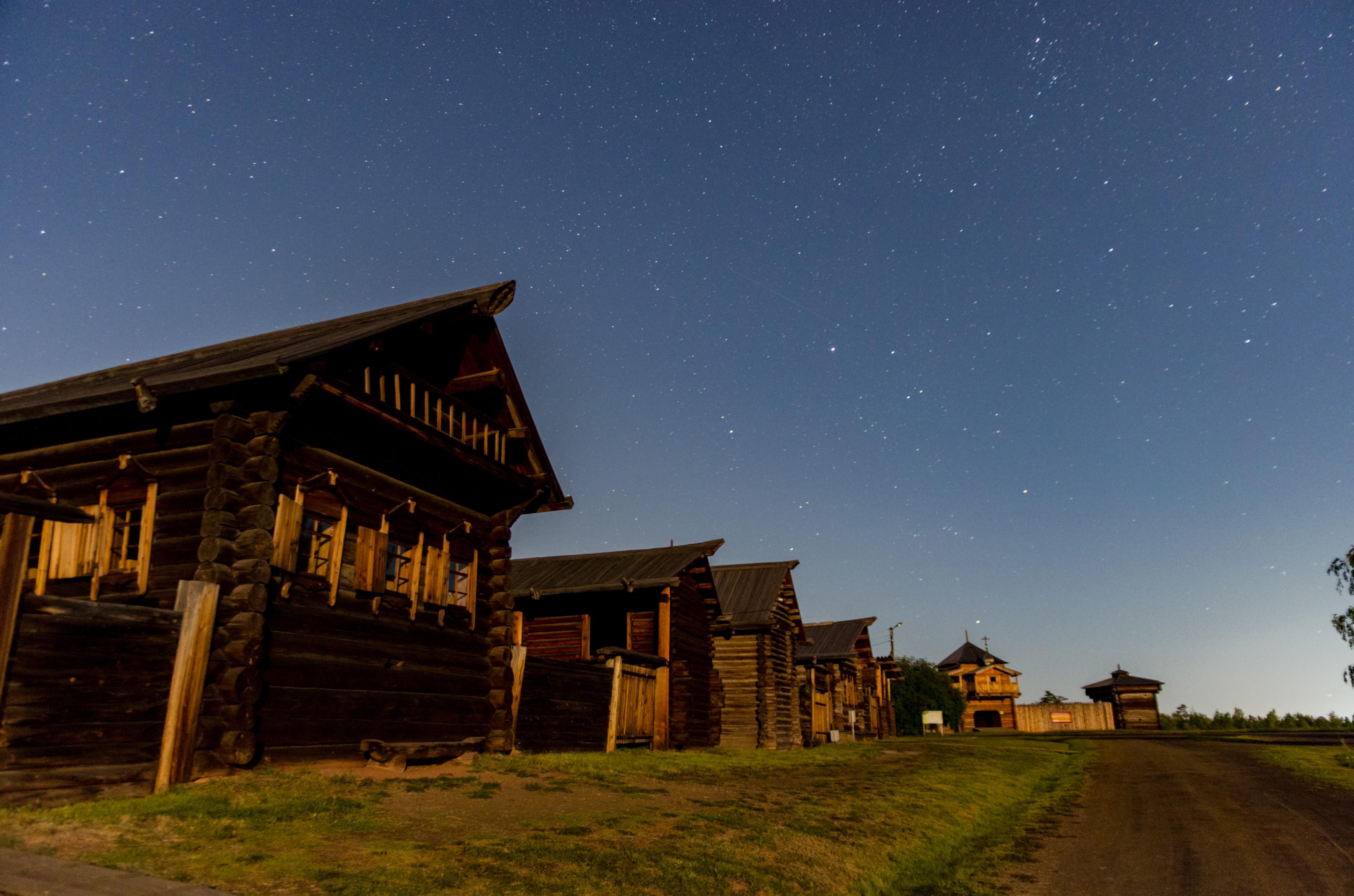
The exhibition of the museum "Angara Village named after O. Leonov" consists of two parts – Russian and Evenk sectors. The Russian sector comprises the reconstructed Bratsk ostrog and the adjacent Russian village of the late 19th–early 20th centuries. It is a typical single-row village for the Angara region, stretched along the shore. The village is placed in a picturesque landscape similar to conditions before inundation by artificial reservoirs: a high open bank, taiga and water. The location of the buildings and the distances between them fully match the historical layout, allowing visitors to feel completely immersed in the atmosphere of former times. The Evenks are one of the indigenous Siberian peoples who once migrated by reindeer across vast areas of Northern Asia. Descendants of the Angara Evenks moved to more northern territories but preserved their distinctive culture, which is vividly demonstrated in the museum. The Evenk sector is a group of several dwelling and shamanic complexes situated a short distance apart from each other. In real conditions such an ensemble would be separated by many kilometers. Between the complexes in the museum there are hunting traps, a system of Evenk signs and a shamanic mask carved in wood. The ensemble is completed by several reconstructed types of Evenk burials.
