Sign up
You have successfully registered, a confirmation email has been sent to the email address you provided.

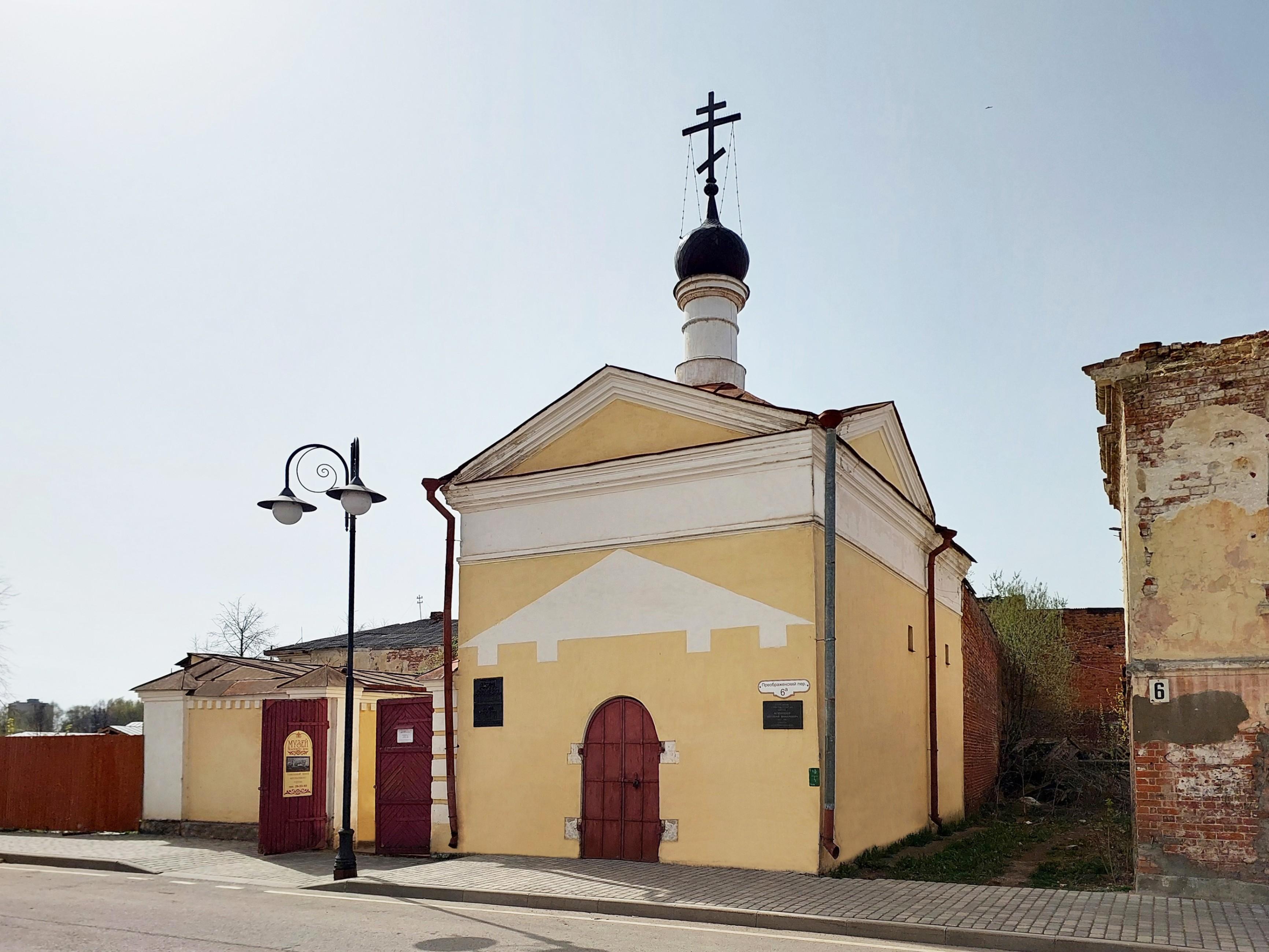
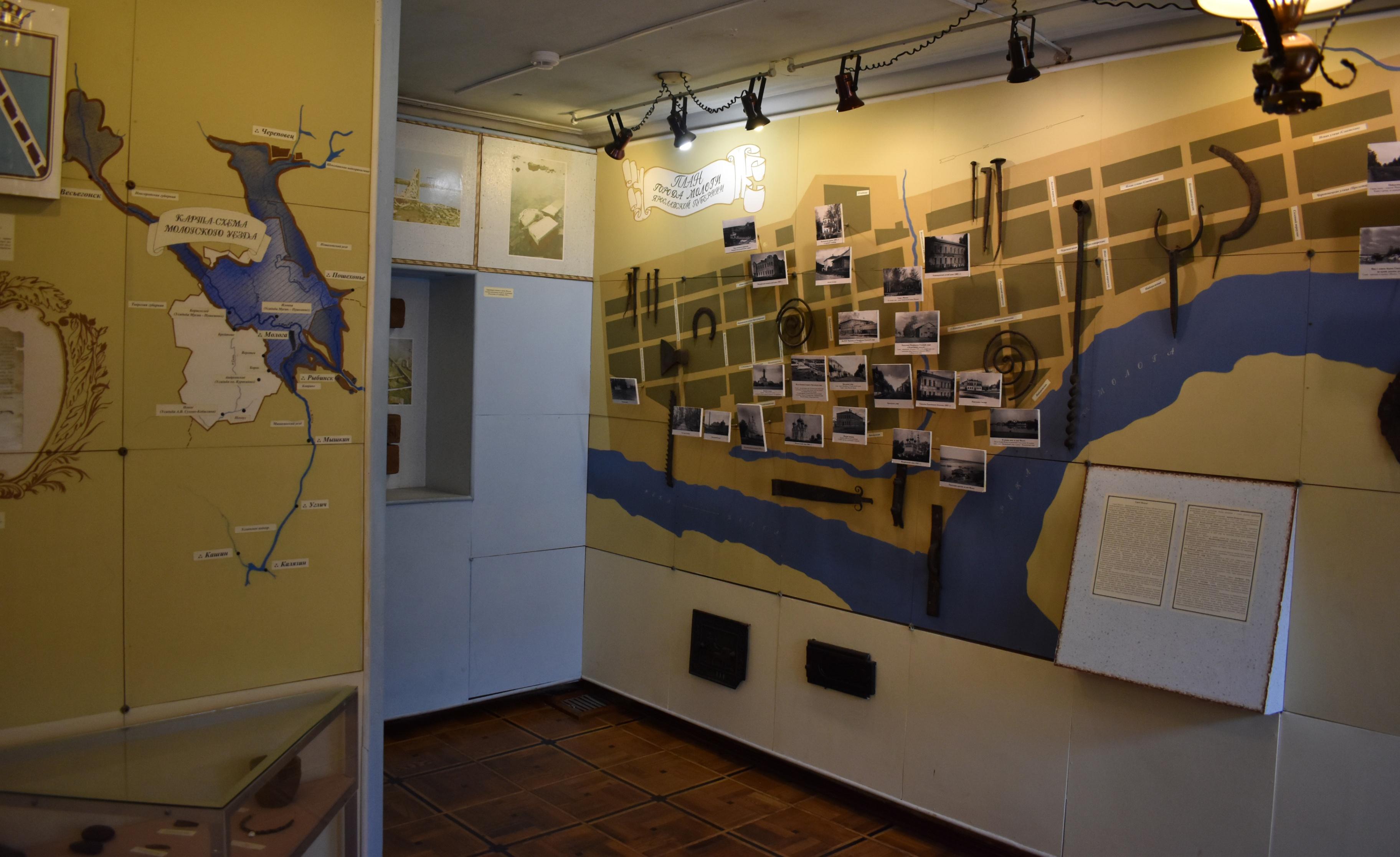
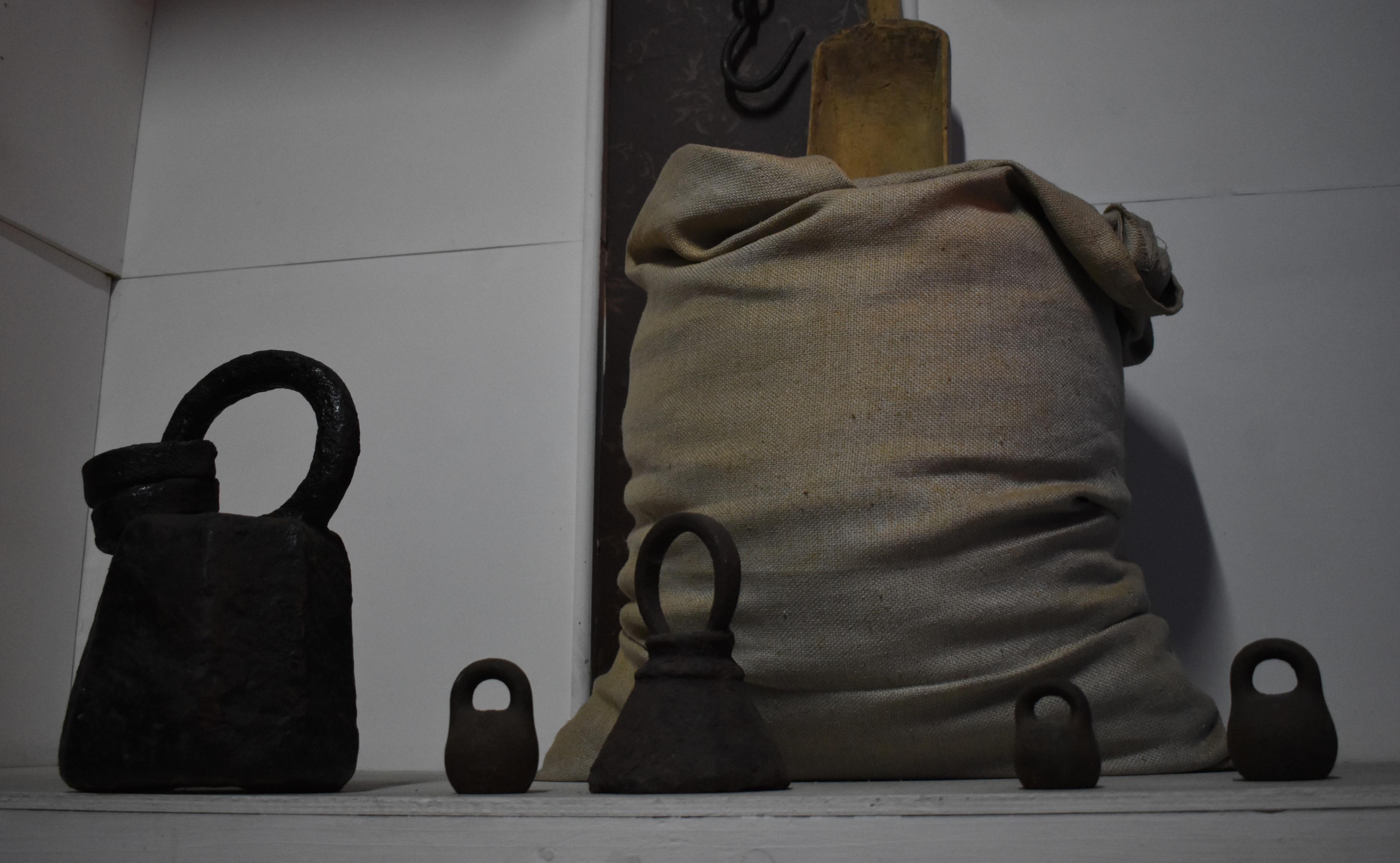
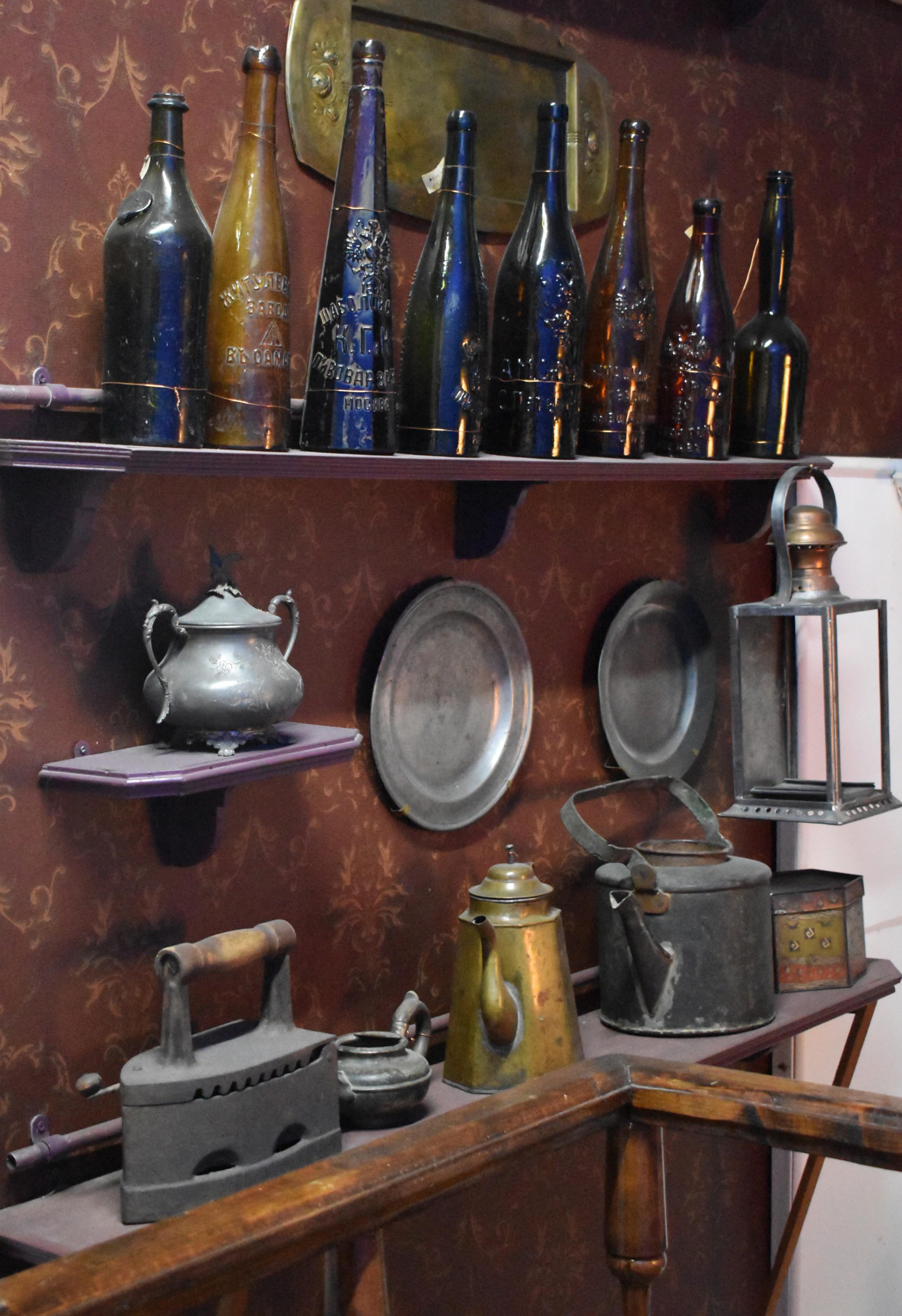
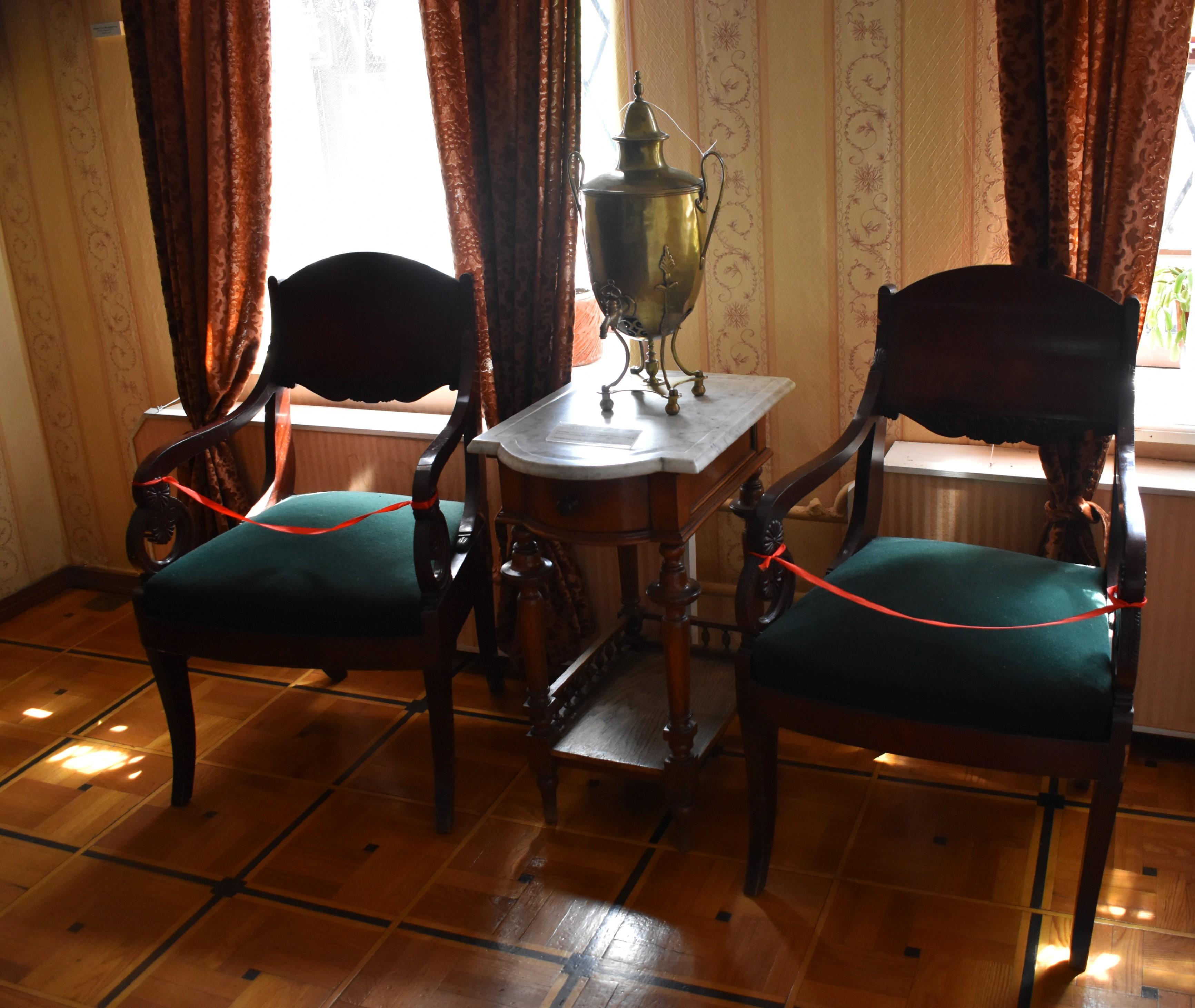
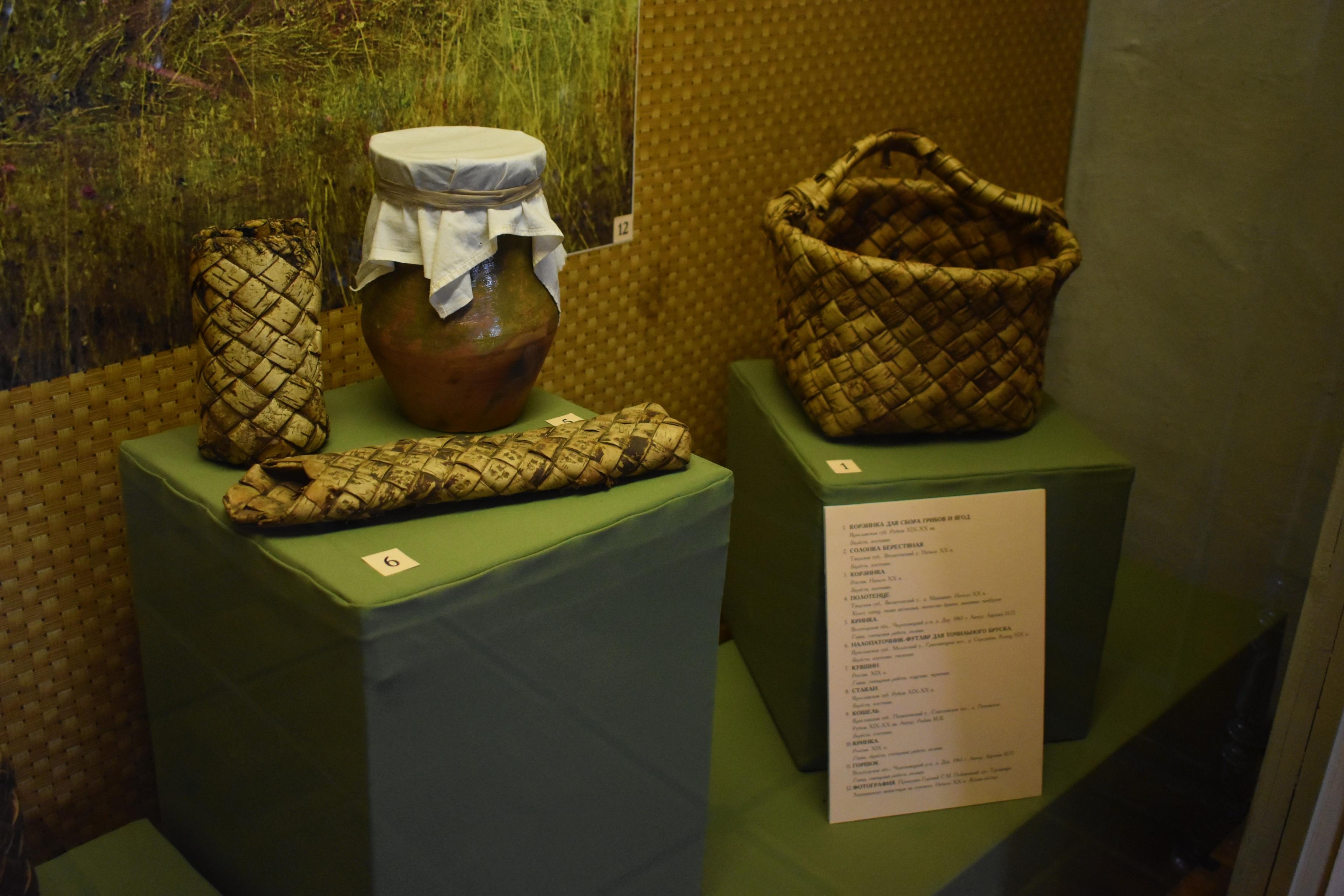
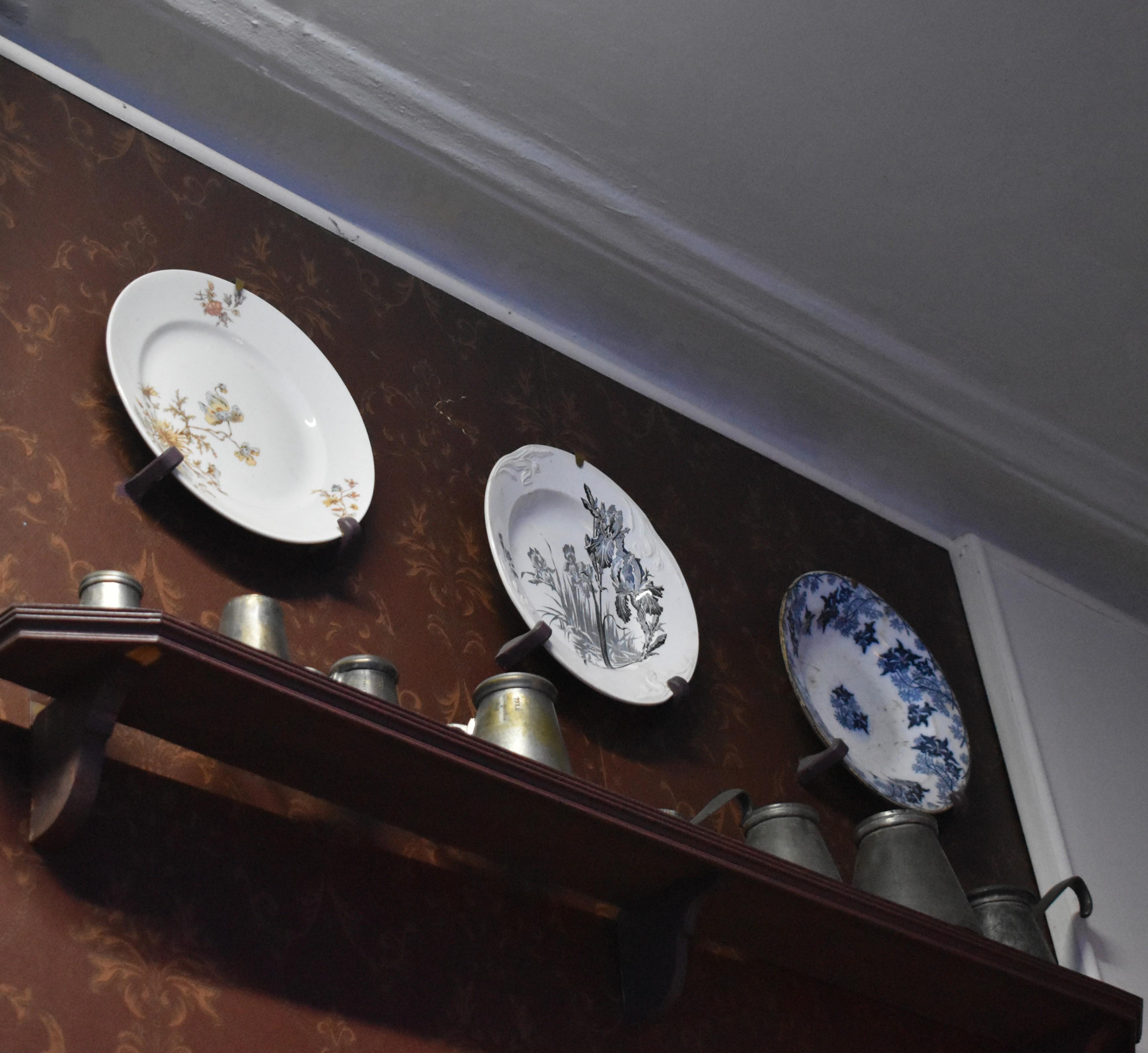
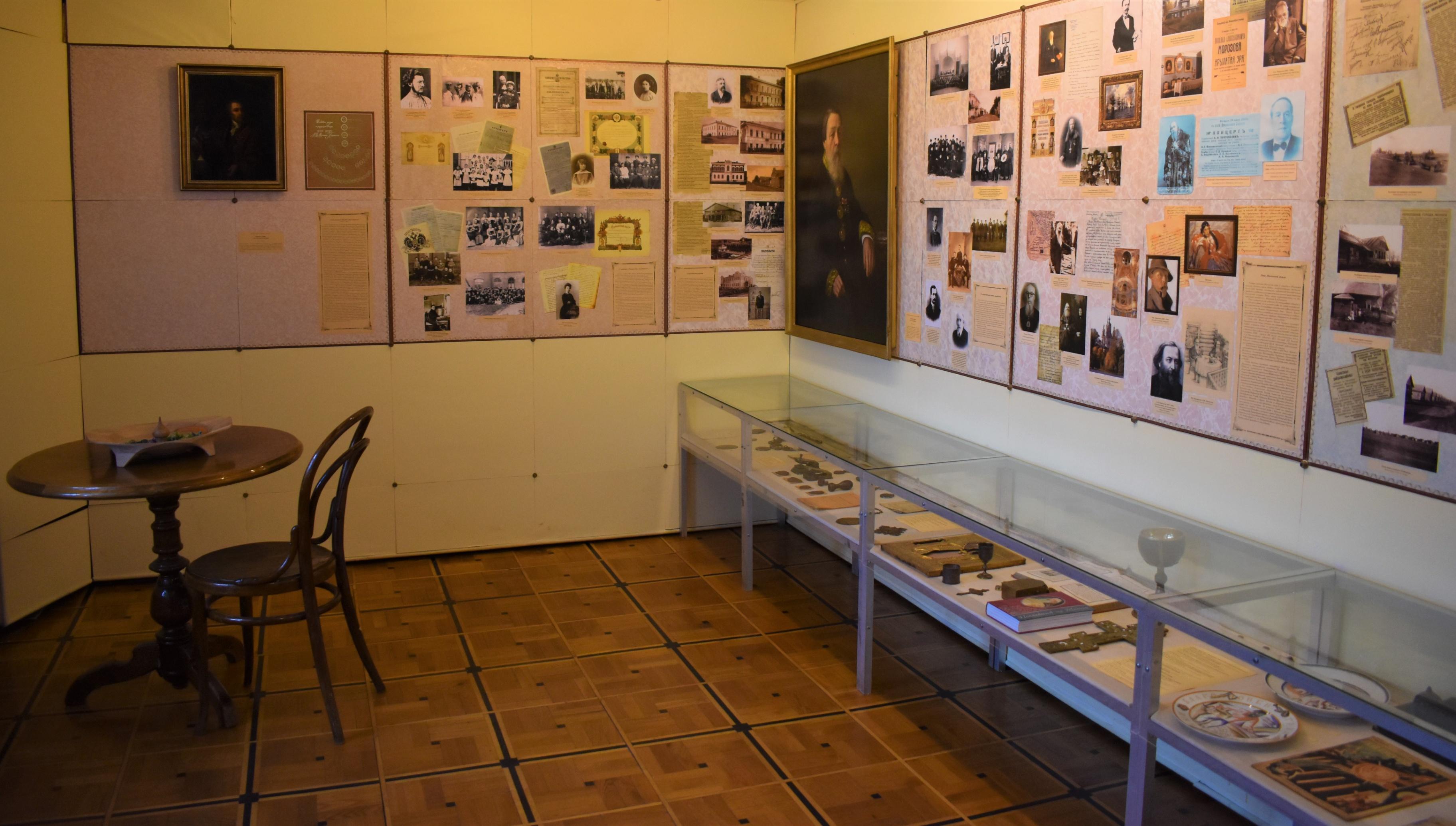
The exhibition is dedicated to the history and culture of the town of Mologa and the Mologa district of Yaroslavl Oblast, which were depopulated and flooded at the turn of the 1930s–1940s during the construction of the Rybinsk hydroelectric power station. As a result, the old town of Mologa was evacuated and destroyed, many rural churches were lost, and more than 130,000 residents of these lands became forced migrants. The exhibition halls are located in the chapel of the former Rybinsk dependency of the Mologa Afanasyev Women's Monastery. The theme of the flooded lands is presented through several thematic complexes. The first of them tells the history of the Mologa region from ancient times to the beginning of the 20th century and contains numerous historical photographs and documents. The second complex is devoted to the flooded monasteries and displays unique items that were once saved from destruction. The thematic complex "The Mologa Resident's Room" shows items originating from the families of resettlers and former inhabitants of the flooded territories. The section "Faces of the Mologa Land" reveals Mologa's ties to notable Russian figures in science and culture. The exhibition concludes with a thematic complex containing unique photographs and documents of the 1930s–1940s resettlement and flooding; the central exhibit of this section is a model of a resettler's raft. Footage from 1930s newsreels about the construction of the Rybinsk hydroelectric power station is shown, as well as video recordings of accounts by elderly Mologa resettlers.
