Sign up
You have successfully registered, a confirmation email has been sent to the email address you provided.


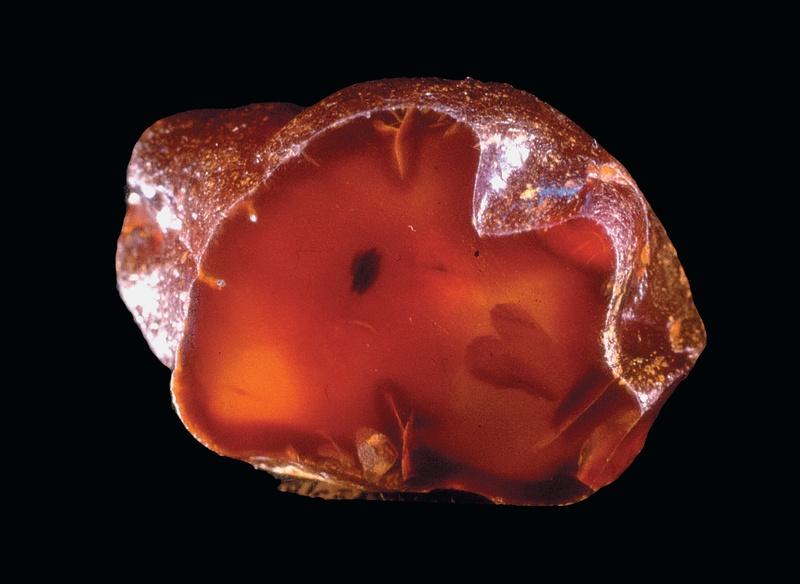
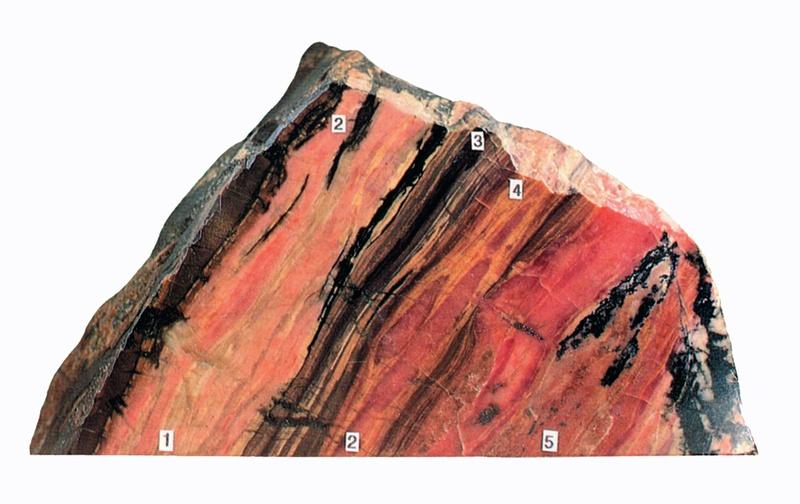
The Mineralogical Museum was founded in 1785 and traces its origins to the Cabinet of Natural History of the Teachers' Seminary. Famous scientists participated in forming the reference mineral collection, including D. I. Mendeleev, E. K. Gofman and others. The museum's holdings comprise more than 30,000 specimens (870 mineral species), a meteorite collection, a photo-illustrative fund, a collection of manuscripts and field materials, and a collection of reference and supporting literature. Visitors begin their acquaintance with the museum at the main collection of the assemblage — the systematic collection. The display cases of this collection are located in the first hall and in the professor's office. The systematic (fundamental) collection contains 19,220 specimens, 2,000 of which are exhibited. The showcases of the third hall present specimens from the memorial collections of D. I. Mendeleev, M. V. Erofeev, E. G. Gofman, Gazberg-Spitsyn and V. A. Vinchi. The display cases feature portraits of the scientists with texts containing brief biographical data, information about their scientific work and contribution to national science, as well as a short description of the collections. Each specimen is supplied with a copy of the original label. A particular pride of this hall is a showcase whose left side displays minerals named after department graduates (vernadite, gerasimovskite, belkovite, ilinskite, kukharenkoite, rimkorolgite, krasnovite, etc.), while the right side exhibits minerals discovered by department graduates (kafetite, armstrongite, kassite, tetrapherriflogopite, natroniobite, olenite (a member of the tourmaline group)).
