Sign up
You have successfully registered, a confirmation email has been sent to the email address you provided.

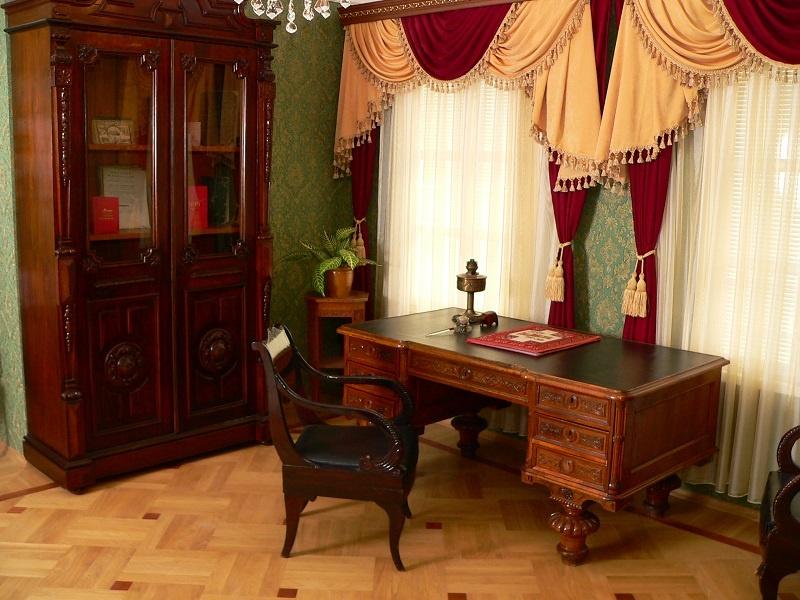
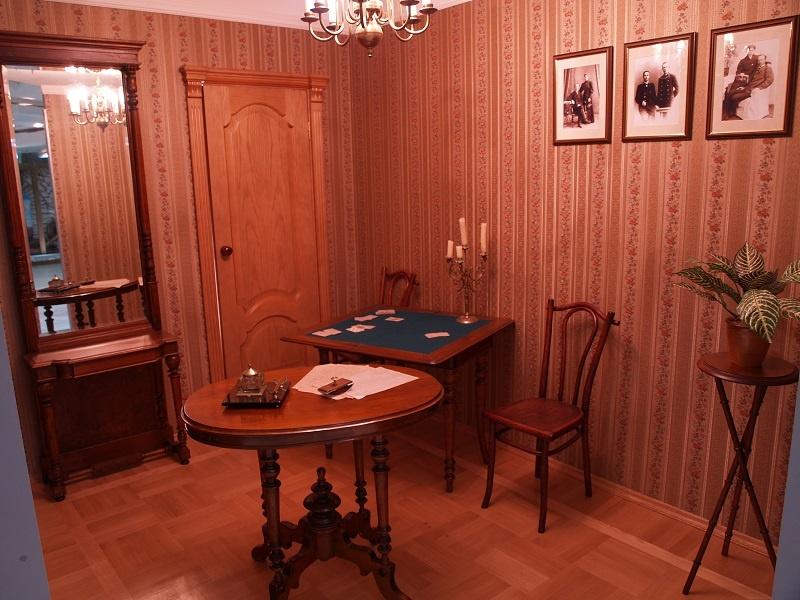
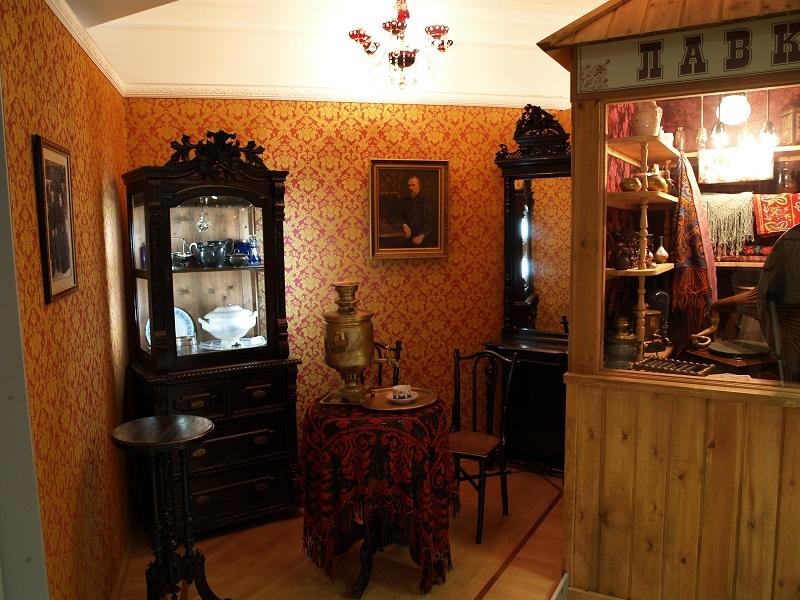
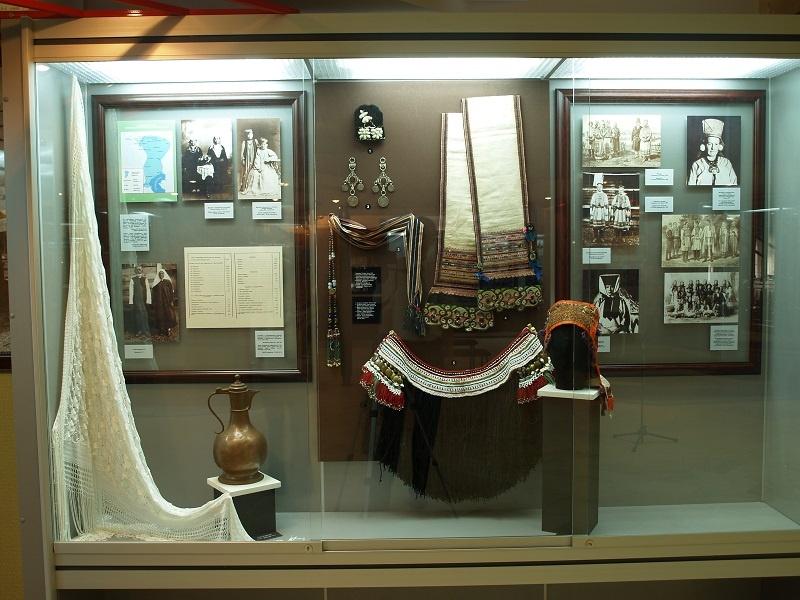
Historical roots of the Chuvash people go back to deep antiquity. The ancestors of the Chuvash had their own state — Volga Bulgaria. The showcases display archaeological materials found during excavations in the region: tools, household items, crafts and trade goods, weapons and ornaments. The exhibition reflects the era of the Mongol-Tatar yoke. The centerpiece of the historical-artistic composition is the diorama 'They Repelled the Enemy'. This period of history is illustrated by a hoard of Jochid coins, ceramic wares, the map 'Mongol-Tatar Uluses', and items of weaponry presented in the exhibition. The expansion of the region's ethnic composition in the 17th–19th centuries is shown through the costumes and ornaments of the Chuvash, Russians, Mountain Mari, Mishar Tatars, and Mordvins (Erzya). The exhibition hall and interiors introduce features of the traditional culture of the Chuvash people, everyday life, and the population's main occupations: wood carving, embroidery, and weaving. A separate thematic complex is devoted to education. Photographs and documents reveal the development of education in Chuvashia. The educational work of I. Ya. Yakovlev, his followers, and the merits and achievements of his pupils are reflected in the exhibition. Using memorial furniture, the dining room interior of a merchant mansion has been recreated — including photographs and a portrait of M. Yefremov, a first-guild merchant. The final section of the exhibition is devoted to the participation of natives of Chuvashia in the Civil War. Each visitor will take away a memory of the history of the Chuvash people. Tickets are available on the website.
