




Sign up
You have successfully registered, a confirmation email has been sent to the email address you provided.

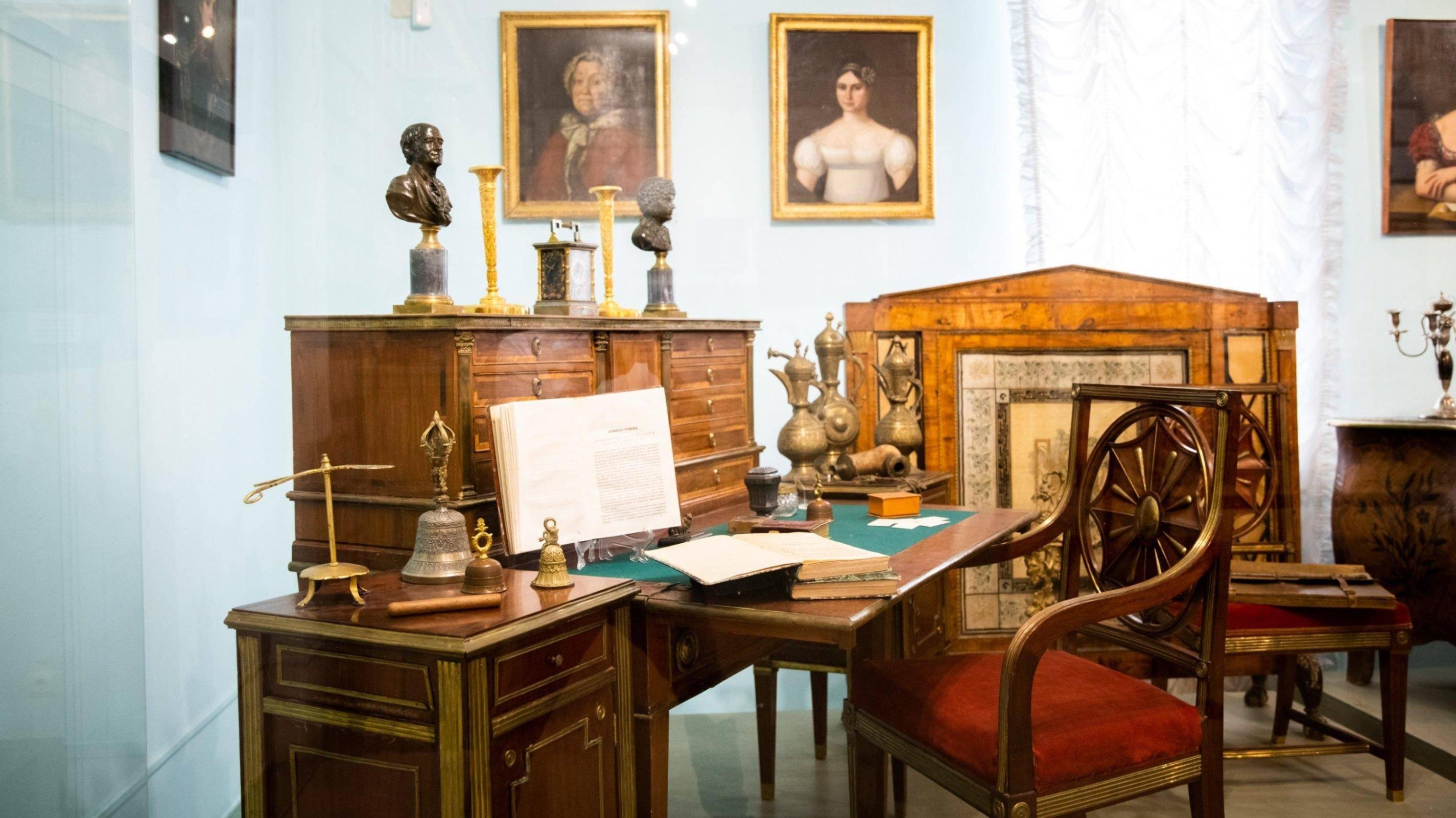
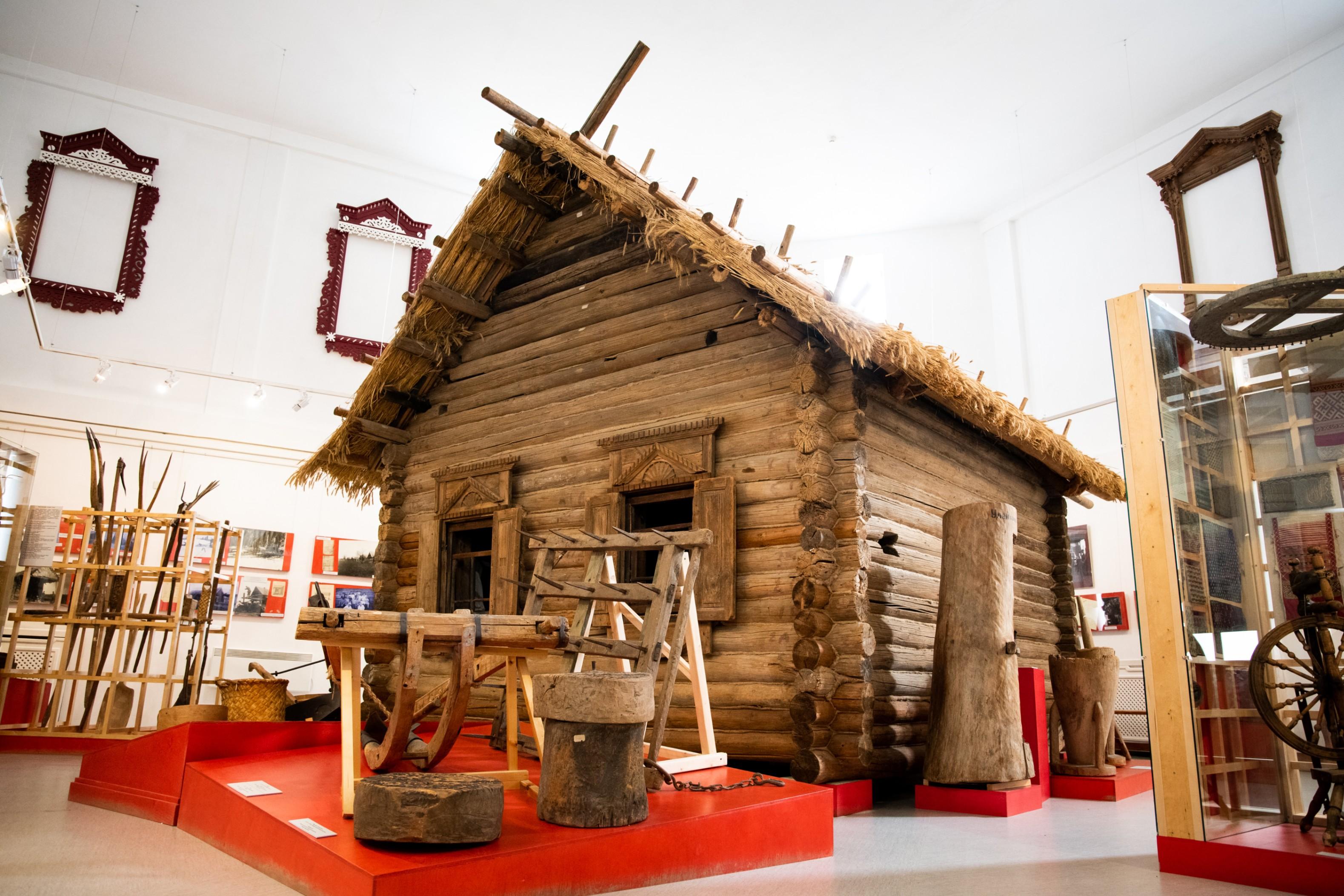
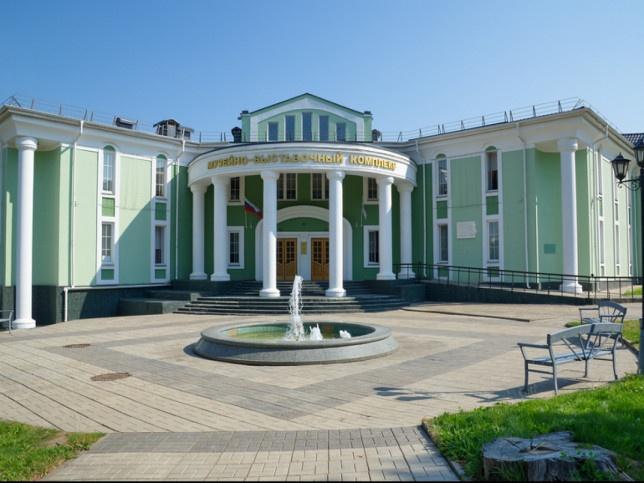
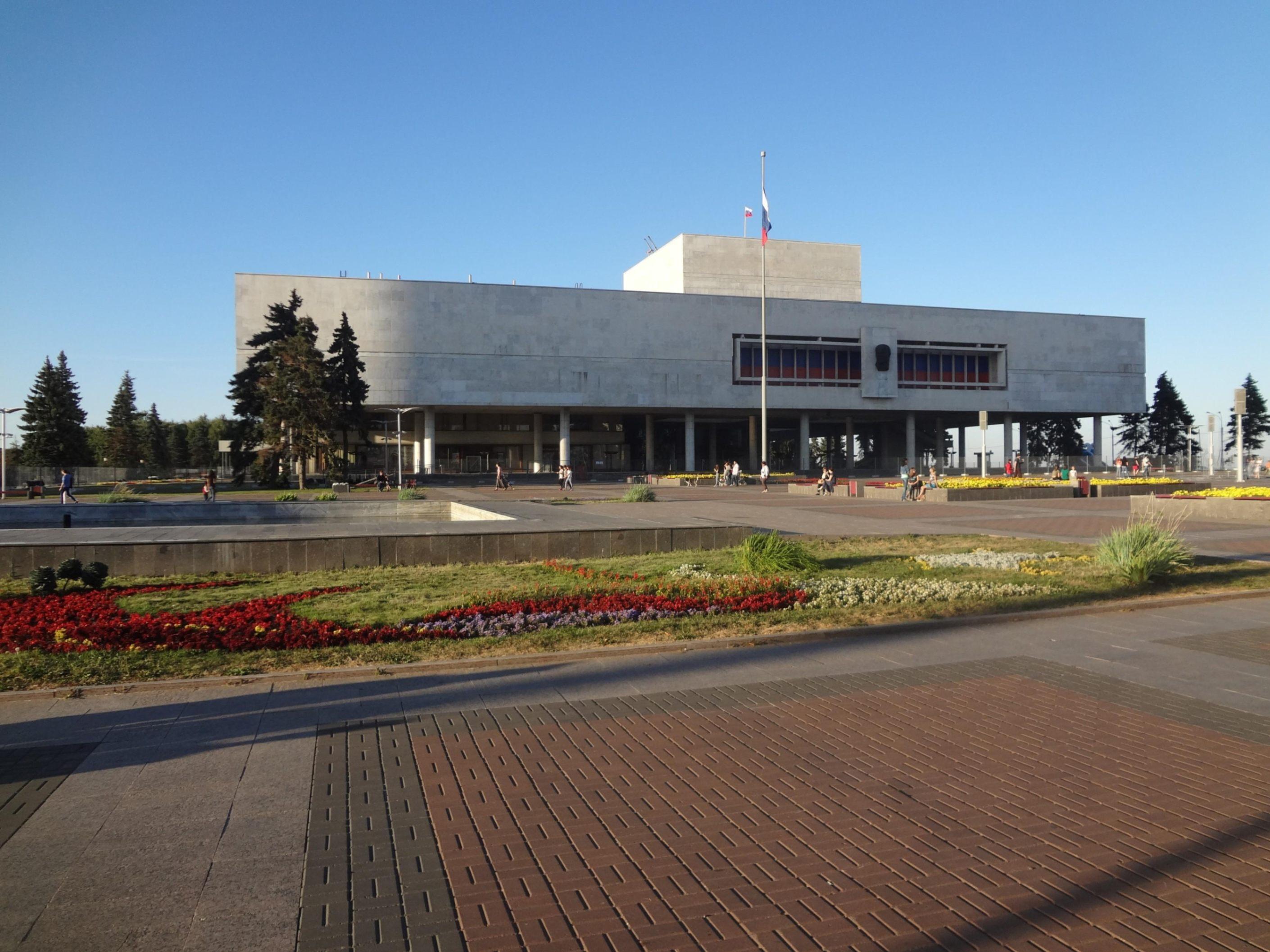
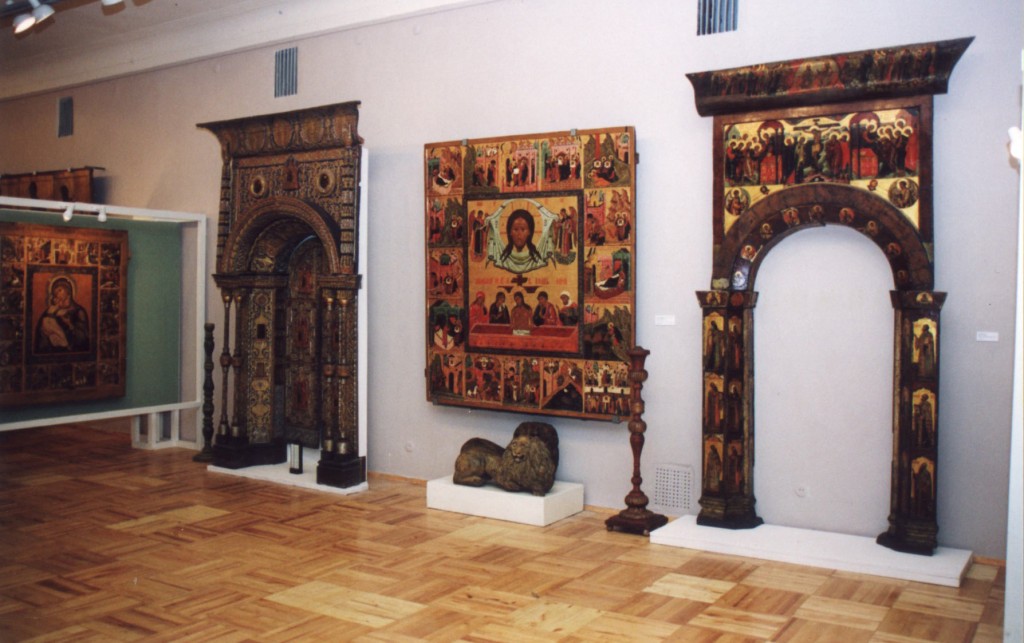
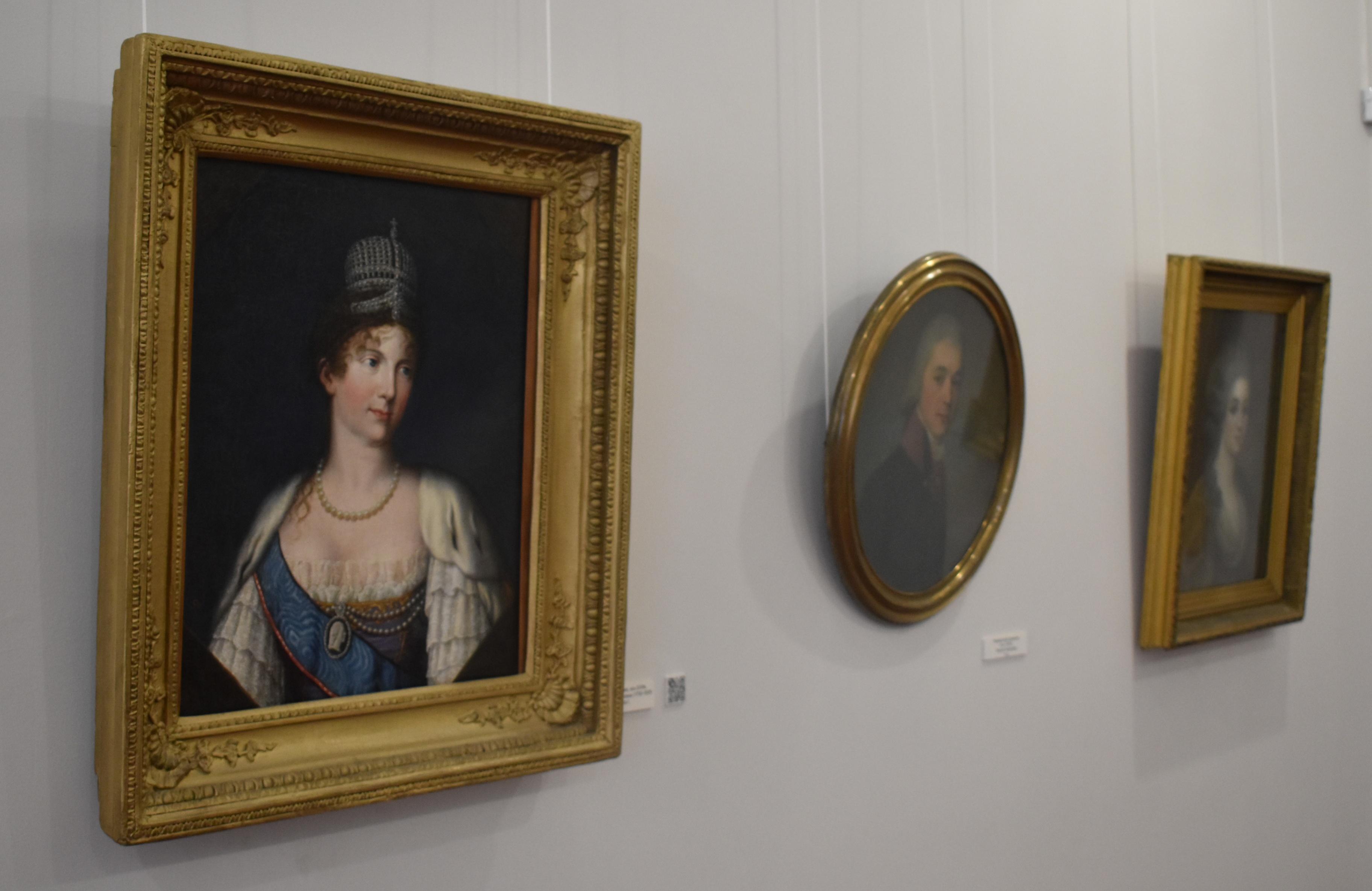
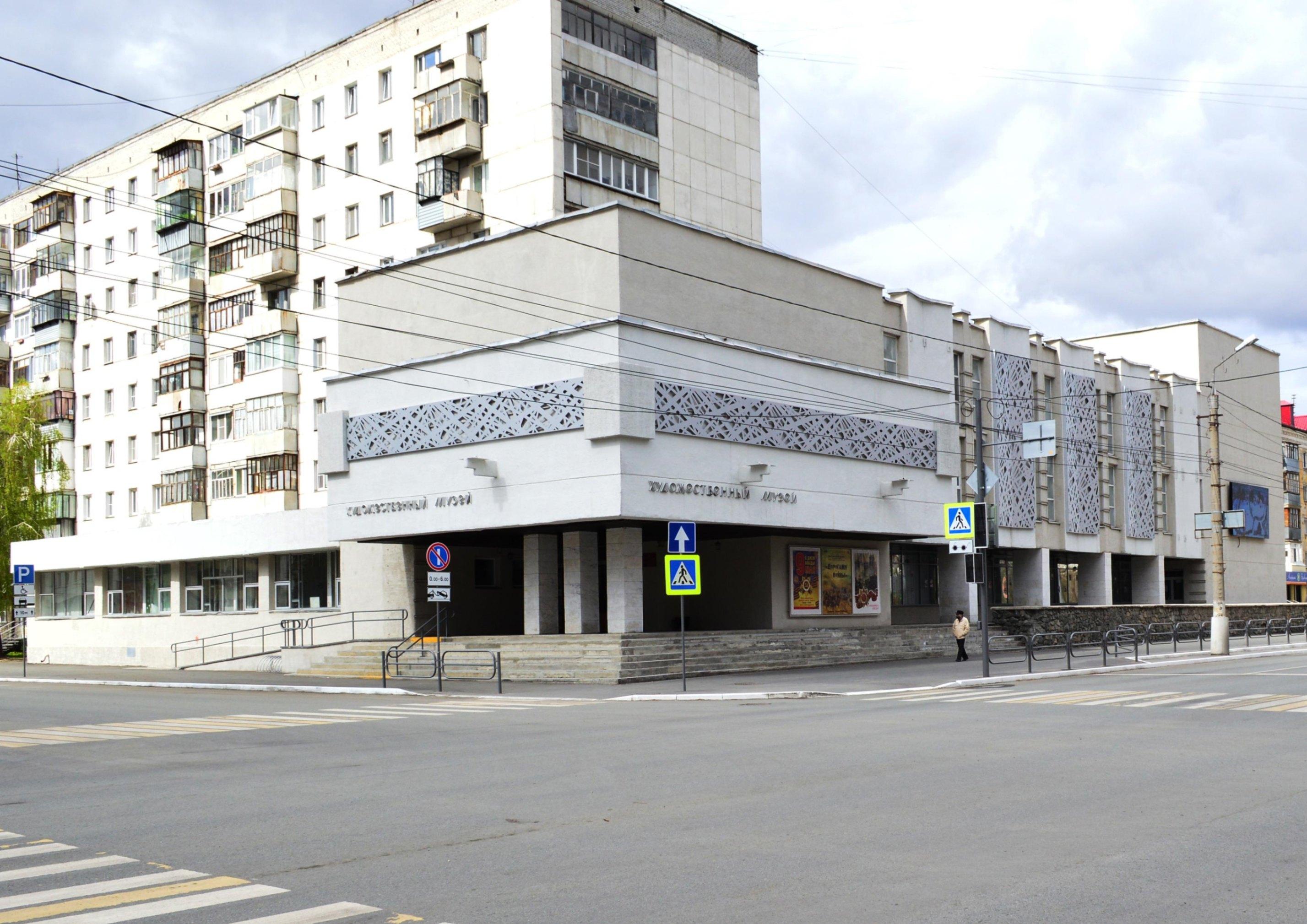
The building was constructed in 2004 to a design by architect N.Yu. Potapova specifically for the Museum. It houses administrative and technical facilities, exhibition halls, collection storage, activity rooms, and the museum’s largest permanent exhibition, which occupies two floors of the building. The permanent exhibition is organized by social estate and chronologically; it reflects the daily life and culture of the nobility and the history of the noble estates located in the Dmitrov uyezd — Olgovo, Obolyanovo, Nadezhdino, Tarusovo. Various aspects of their lives are revealed, and items from the Apraksin Theatre are displayed. Peasant life is represented by numerous tools and by the main exhibit — an authentic 19th‑century smoke‑house (kurnaya izba) brought from the village of Sysoyevo. A special place in the exhibition is given to the gingerbread molds used to make the famous Dmitrov pryaniki. The exhibition also presents numerous examples of toy‑making, galloon and passementerie (trimming), shoemaking, and stone‑working crafts of the 18th–20th centuries, as well as products of industrial enterprises, above all the F. Gardner porcelain factory, which has operated in the village of Verbilki since 1754. Part of the exhibition is devoted to the history of the construction of the Moscow–Volga Canal, carried out from 1932 to 1937, and a separate hall is dedicated to the heroic events of the Great Patriotic War on the territory of the Dmitrov district. In the museum and exhibition complex, large areas are allocated for various exhibition projects, both from the Museum’s collections and from private collections and those of other museums.
