Sign up
You have successfully registered, a confirmation email has been sent to the email address you provided.

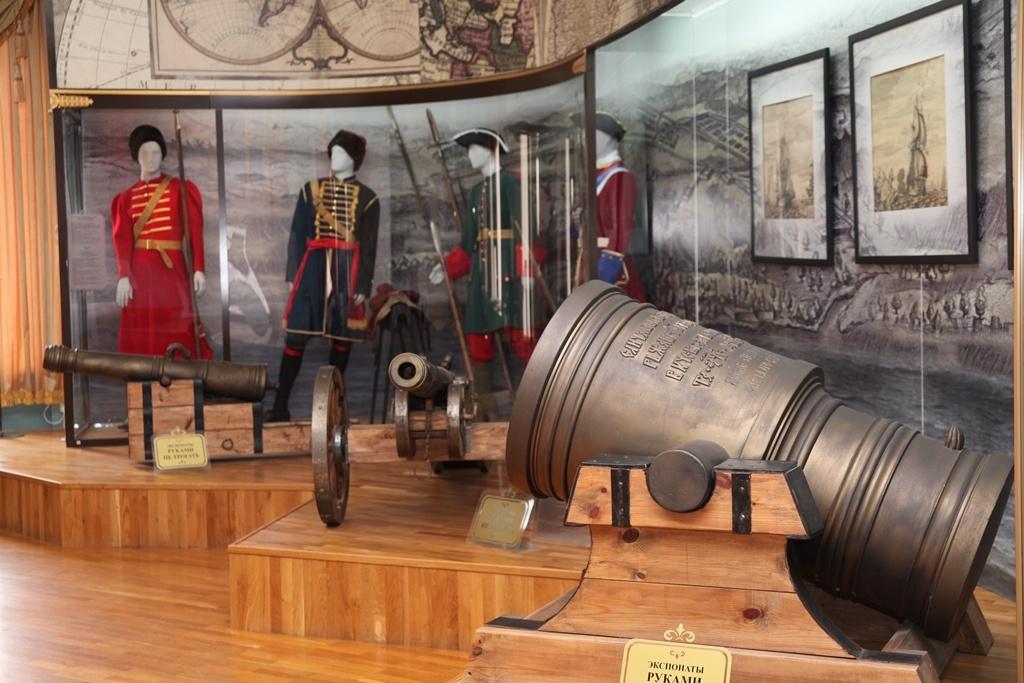
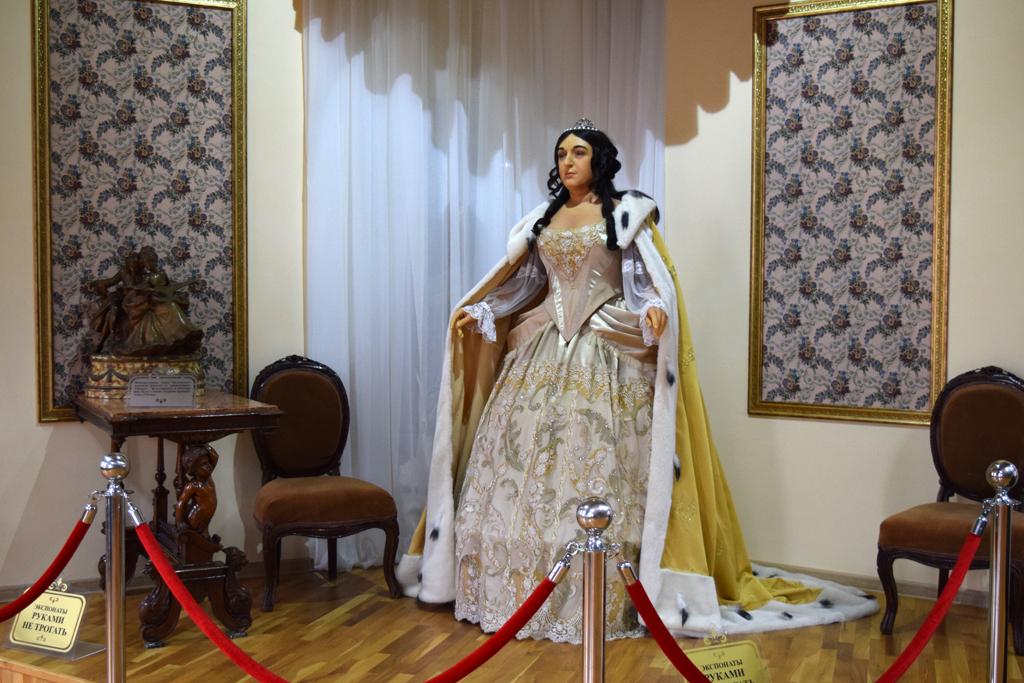
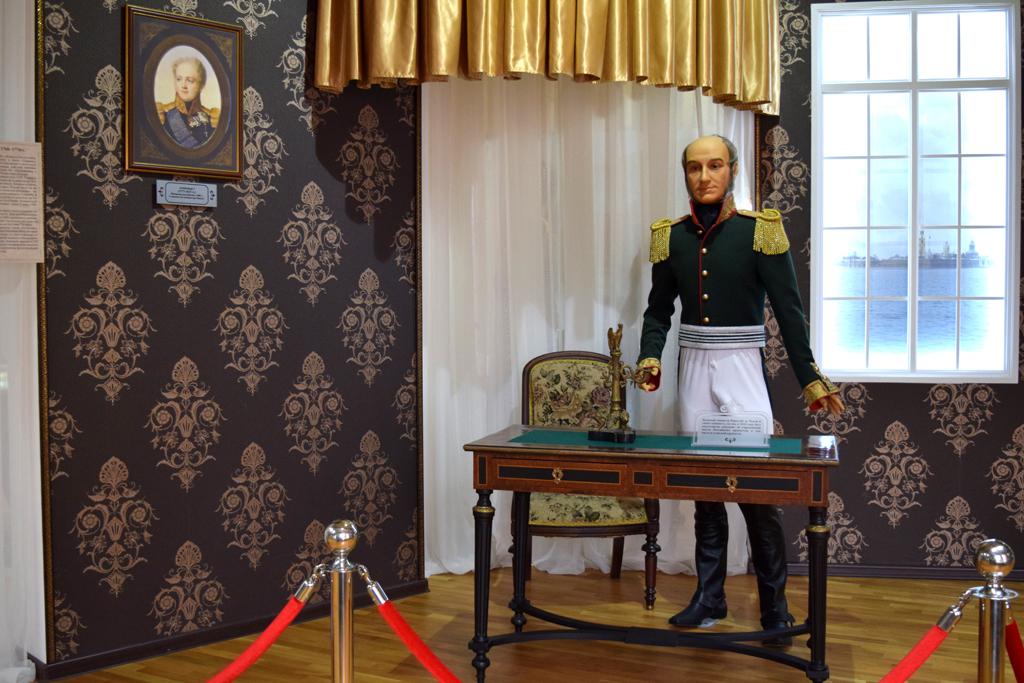
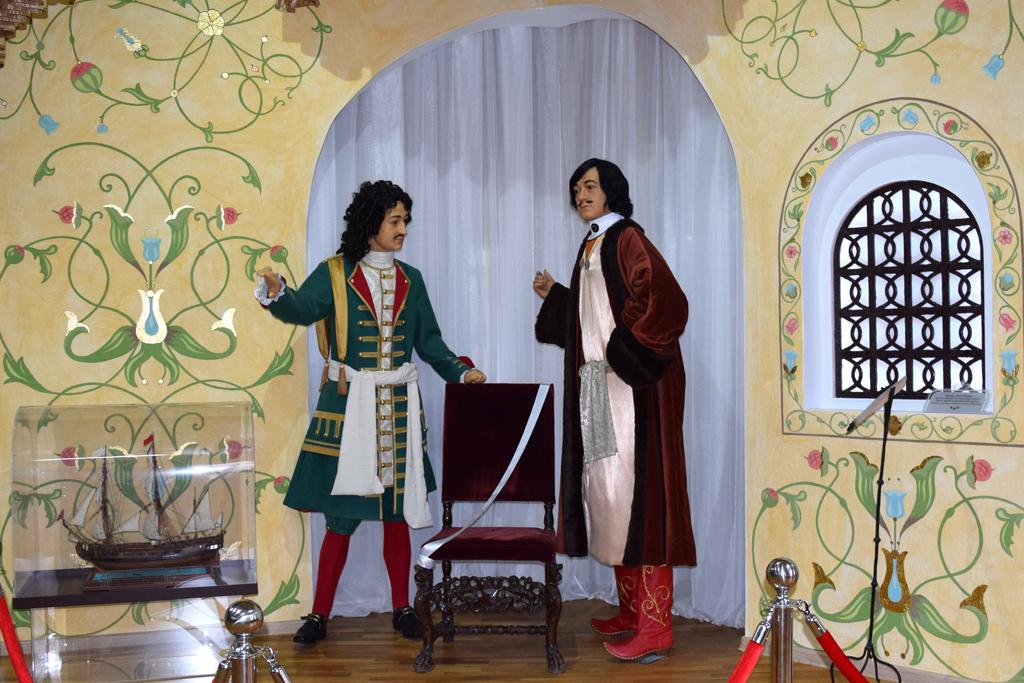
In 1774, under the Treaty of Küçük Kaynarca between Russia and the Ottoman Empire, the Azov fortress was secured for the Russian Empire. Catherine the Great called Azov a 'precious gem' in one of her letters to Voltaire, assessing its importance for Russia. The exhibition 'Azov Fortress in the late 17th – early 19th centuries' tells the story of the events that preceded this important political victory. Peter I's Azov campaigns, Russia's first naval fleet, the long-standing struggle between Russia and the Ottoman Empire for control of Azov, and the political and military victories of the Russian state are among the themes reflected in the exhibition. The history of the fortress is revealed to visitors through more than 700 exhibits, including examples of 17th–19th century weaponry, reconstructions of Russian army military uniforms, replicas of military banners, engravings, portraits of emperors and military and state figures, maps, ship models, items related to the construction and everyday life of the Azov fortress, and numerous coins and awards.
